Frontier Energy builds ‘largest SWIS-connected hybrid solar-plus-storage plant’ in Western Australia
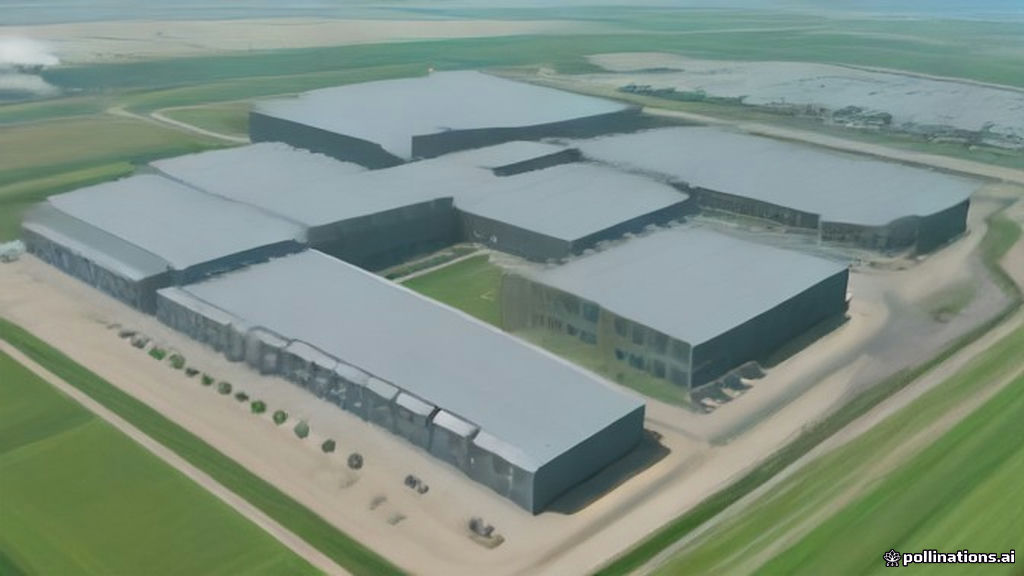
Frontier Energy, a publicly listed Australian renewable‑energy developer, has broken ground on the first stage of its Waroona Renewable Energy Project in Western Australia. The development, billed as the largest hybrid solar‑plus‑storage plant ever connected to the South West Interconnected System (SWIS), marks a significant step toward decarbonising the state’s power grid and delivering firm, dispatchable clean energy to households and industry.
What Happened
Construction commenced this week on Stage 1 of the Waroona project, a 200 MW solar photovoltaic (PV) farm paired with a 100 MWh battery energy storage system (BESS). The combined facility will be directly linked to the SWIS, the primary electricity network serving Perth and surrounding regions, making it the biggest hybrid installation to feed the grid in the state’s history.
The groundbreaking ceremony was attended by Frontier Energy’s CEO, senior government officials, and representatives from local Aboriginal groups, underscoring the collaborative approach the company has taken. Site preparation, including earthworks, access road upgrades and the installation of a new 33 kV substation, is slated to be completed within the next six months, with the first solar arrays and battery modules arriving by early 2025.
Once operational, the plant will generate enough electricity to power roughly 150,000 homes and provide ancillary services such as frequency regulation and peak‑shaving, helping to smooth out the variability inherent in solar generation.
Key Details
The solar component comprises over 600,000 high‑efficiency PV panels mounted on a single‑axis tracking system, which optimises output by following the sun’s trajectory across the sky. Expected annual generation is around 500 GWh, a figure that rivals the output of several large coal‑fired stations in the region.
The BESS utilizes lithium‑ion technology supplied by a leading Asian manufacturer and will be capable of delivering up to 50 MW of power for two hours straight. This storage capacity enables the plant to store excess solar energy during midday peaks and discharge it during evening demand spikes, thereby reducing reliance on fossil‑fuel peaker plants.
Frontier Energy has secured a long‑term power purchase agreement (PPA) with Western Power, the state’s transmission operator, guaranteeing a stable revenue stream for the next 20 years. The project also benefits from a suite of government incentives, including the WA Renewable Energy Target and a fast‑track permitting process designed to accelerate clean‑energy deployment.
Background
Founded in 2015, Frontier Energy has quickly become a prominent player in Australia’s renewable‑energy sector, focusing on utility‑scale solar and storage projects. The company’s portfolio already includes the 120 MW Greenfields Solar Farm in South Australia and a 50 MW/70 MWh battery project near Melbourne, both of which have demonstrated strong performance and reliability.
Western Australia, traditionally reliant on mining‑driven electricity demand and natural‑gas generation, has set ambitious climate goals, aiming for a 50 % reduction in emissions by 2030. The state’s Renewable Energy Target (RET) encourages the development of large‑scale projects that can feed the SWIS, which supplies more than 90 % of the state’s electricity consumption.
Why It Matters
The Waroona hybrid plant directly addresses two critical challenges facing the WA grid: the need for additional renewable capacity and the requirement for firm, dispatchable power. By coupling solar with storage, Frontier Energy provides a solution that mitigates intermittency, reduces curtailment, and enhances grid stability, especially during extreme weather events that can strain supply.
Beyond technical benefits, the project is expected to generate significant economic uplift. Construction is projected to create over 300 jobs, while long‑term operations will sustain a workforce of around 50 skilled technicians. Moreover, the development includes a community‑benefit fund aimed at supporting local schools, Indigenous cultural programs, and regional infrastructure improvements.
What Happens Next
Following the completion of Stage 1, Frontier Energy plans to commence work on Stage 2, which will expand solar capacity by an additional 100 MW and increase storage to 150 MWh. The company has already begun preliminary environmental assessments and is engaging with stakeholders to secure the necessary approvals.
Commissioning of the initial plant is targeted for late 2025, with full commercial operation expected in early 2026. Once online, the facility will serve as a testbed for advanced grid‑service algorithms, allowing Frontier Energy to optimise battery dispatch based on real‑time market signals and further demonstrate the commercial viability of large‑scale hybrid systems.
In summary, Frontier Energy’s Waroona Renewable Energy Project represents a landmark achievement for Western Australia’s clean‑energy transition. By delivering the state’s largest SWIS‑connected solar‑plus‑storage plant, the company not only bolsters renewable capacity but also showcases how integrated technologies can provide reliable, low‑carbon power for the future.
📖 See Also
📚 Sources & Attribution
- ✓ Energy Storage News