U.N. talks seek to rein in 'killer robots' as fears over AI weapons grow
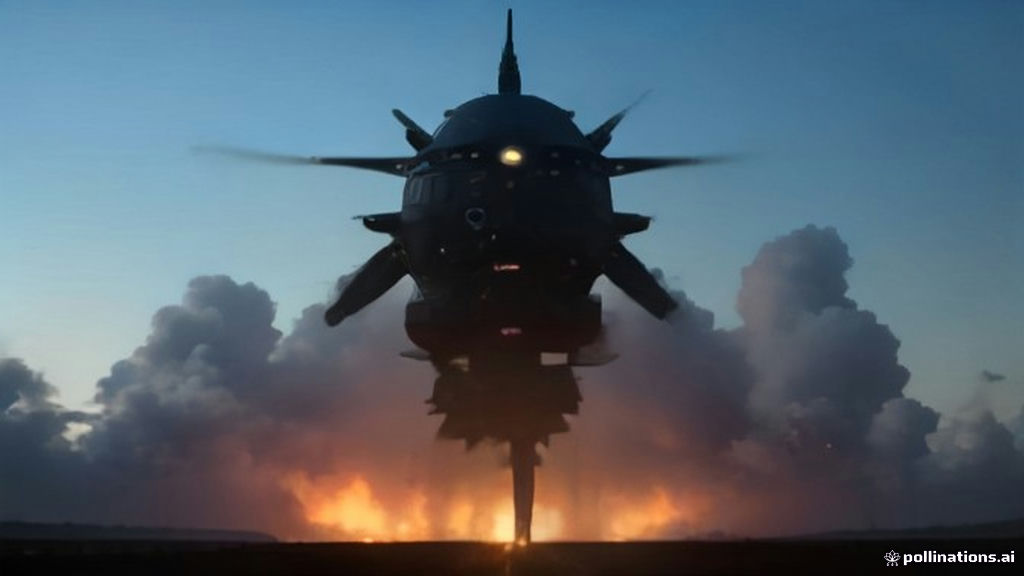
The world’s leading powers gathered in Geneva this week for a high‑stakes United Nations conference aimed at curbing the development and deployment of lethal autonomous weapons systems—commonly dubbed “killer robots.” Delegates debated whether to impose legally binding restrictions on machines that can select and engage targets without direct human oversight. While many nations and civil‑society groups pushed for a clear treaty, the United States, Russia and Israel signaled strong resistance, leaving activists worried that the narrow window for decisive action may be slipping away.
What Happened
Representatives from more than 50 countries met at the UN Office in Geneva to discuss a draft framework that would define “autonomous weapons” and outline prohibitions on their use. The draft, prepared by a coalition of non‑governmental organizations and a handful of supportive states, calls for a ban on the development, transfer, and deployment of fully autonomous systems that can make lethal decisions without meaningful human control. Delegates exchanged statements, with many European nations endorsing the text and urging immediate adoption.
However, the United States, Russia and Israel—countries that possess advanced AI‑driven weaponry and have expressed strategic interest in maintaining a technological edge—voiced strong objections. They argued that a blanket ban would stifle legitimate research, hamper defensive capabilities, and undermine national sovereignty. Their positions effectively stalled progress toward a consensus, prompting campaigners to warn that without binding rules, the proliferation of such weapons could accelerate unchecked.
Key Details
The proposed treaty distinguishes between “semi‑autonomous” systems, which still require human input for targeting, and “fully autonomous” weapons that operate independently after activation. It seeks to require a “human‑in‑the‑loop” verification step for any lethal engagement, along with transparent reporting mechanisms and an international verification regime. The draft also includes provisions for a moratorium on the testing of new autonomous weapon prototypes pending further review.
During the negotiations, the United States emphasized its preference for “principles‑based” guidelines rather than legally binding obligations, citing the need for flexibility in rapidly evolving combat environments. Russia echoed similar concerns, framing the issue as one of strategic parity and national security. Israel, which has integrated AI into its defense systems, argued that existing international humanitarian law already governs the use of such weapons and that additional treaties would be redundant.
Background
The push for regulation began in earnest after a series of high‑profile demonstrations by groups such as the Campaign to Stop Killer Robots, which highlighted incidents where autonomous drones and unmanned ground vehicles were used in conflict zones with minimal human oversight. Earlier UN meetings in 2018 and 2020 produced non‑binding resolutions urging states to adopt “meaningful human control,” but those measures lacked enforcement mechanisms.
Technological advances in machine learning, sensor fusion, and rapid data processing have made fully autonomous weapons increasingly feasible. Nations like the United States, China, and Russia have invested heavily in research programs that could produce systems capable of identifying, tracking, and engaging targets without real‑time human commands, raising ethical and legal concerns worldwide.
Why It Matters
Without clear international rules, the deployment of lethal autonomous weapons could lower the threshold for armed conflict, as decision‑makers might be more willing to engage in hostilities when the human cost appears reduced. The absence of accountability mechanisms also raises the risk of unintended civilian casualties, potentially violating the principles of distinction and proportionality under international humanitarian law.
Moreover, the geopolitical implications are profound. If a few technologically advanced states retain the ability to field autonomous weapons while others are constrained, a new arms race could emerge, destabilizing existing security balances. The debate also touches on broader societal fears about AI ethics, the erosion of human agency in warfare, and the moral responsibility of delegating life‑and‑death decisions to algorithms.
What Happens Next
The Geneva conference concluded without a final treaty, but the participating nations agreed to reconvene in a follow‑up session later this year to refine the draft language and explore compromise solutions. The United Nations Office for Disarmament Affairs (UNODA) will host a series of expert panels to address technical definitions and verification protocols, aiming to bridge the gap between the security concerns of the dissenting states and the humanitarian objectives of the supporters.
Meanwhile, civil‑society groups plan to intensify their advocacy, organizing global protests and leveraging diplomatic pressure on the United States, Russia, and Israel to reconsider their positions. Some governments are also exploring national legislation that could impose stricter controls on autonomous weapons development, hoping to set a precedent that might eventually influence the international arena.
The Geneva talks underscored both the urgency and the complexity of governing AI‑driven weaponry. As nations wrestle with the dual imperatives of security and humanity, the coming months will test whether the international community can forge a consensus before autonomous lethal systems become an entrenched reality on the battlefield.
📖 See Also
📚 Sources & Attribution
- ✓ NPR Politics