Why Did My Pumpkin Pie Crack and How Can I Fix It?
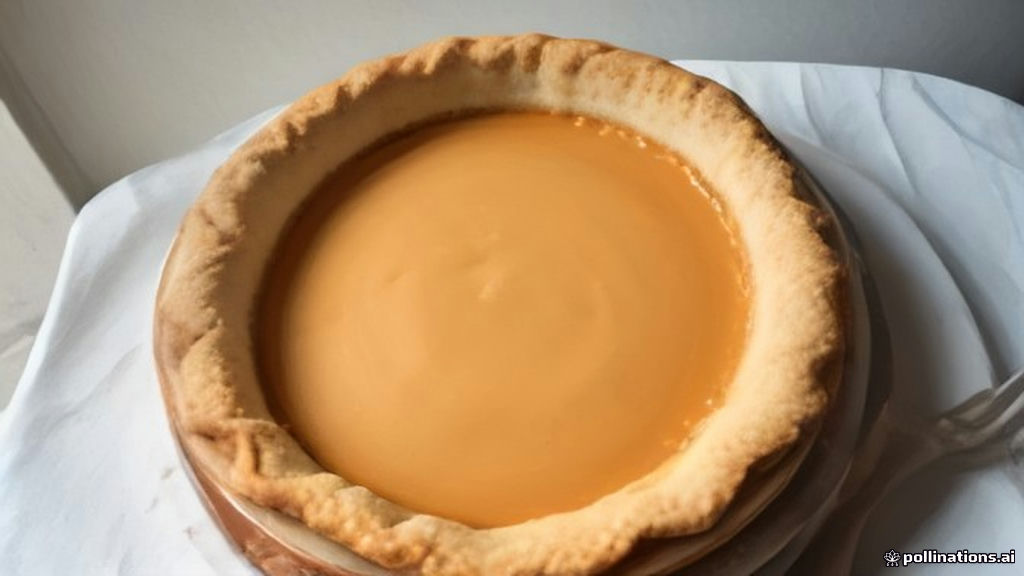
When you pull a golden‑brown pumpkin pie out of the oven only to see a jagged crack snaking across the surface, it can feel like a culinary catastrophe. The good news is that a cracked pie is rarely a sign of failure; it’s usually a predictable reaction to temperature, moisture, or over‑mixing. Understanding why the fissure appears and learning a few simple fixes can turn a cracked crust into a charming, even desirable, feature of your holiday spread.
What Happened
Most pumpkin pies develop a crack when the filling cools too quickly after baking. As the hot custard contracts, the surface tension pulls the top layer inward, creating a visible split. This is especially common when the pie is removed from a hot oven and placed on a cold countertop, or when it is refrigerated immediately after baking without allowing a gradual temperature decline.
A second, less obvious cause is an overly thick or overly dense filling. When the mixture contains too much starch or too many eggs, it sets hard and shrinks more dramatically as it cools. The result is a firmer surface that cannot flex enough to accommodate the natural contraction, leading to a crack.
Finally, the type of pumpkin puree used can affect the outcome. Purees that are too watery introduce excess steam during baking, which expands and then collapses, leaving a weakened top layer that cracks under its own weight.
Key Details
Temperature control is the single most important factor. Baking the pie at a moderate 350°F (175°C) for the recommended time—usually 45 to 55 minutes—allows the custard to set evenly. If the oven runs hot, the outer edges will cook faster than the center, creating a temperature gradient that predisposes the surface to cracking.
Moisture balance matters, too. A classic pumpkin pie filling calls for a ratio of about 2 cups of puree to 1 cup of liquid (eggs, milk, or cream). Adding extra liquid to thin the mixture can increase steam production, while too little liquid makes the custard dense and prone to shrinking. Using a thick, well‑drained pumpkin puree—whether canned or homemade—helps maintain the right consistency.
Background
The phenomenon of cracking isn’t unique to pumpkin pie; it appears in many custard‑based desserts, such as flan, cheesecake, and custard tarts. The science behind it traces back to the protein structure of eggs and the gelatinization of starches. As the mixture cools, the proteins coagulate and the starches firm up, pulling the surface inward. Bakers have long learned to mitigate this by using a water bath (bain‑marie) to provide gentle, even heat, and by allowing the pie to cool gradually in the turned‑off oven with the door ajar.
In recent years, food writers like those at Taste of Home have highlighted practical tips for both preventing and disguising cracks. Their article “Why Did My Pumpkin Pie Crack and How Can I Fix It?” emphasizes simple tricks—such as topping the pie with whipped cream, caramel drizzle, or a streusel crumble—to hide imperfections while still delivering a delicious dessert.
Why It Matters
Beyond aesthetics, a cracked pie can signal texture issues. A surface that has contracted too much may be drier, and the fissure can allow air to seep in, accelerating staling. For holiday hosts, presentation matters; a flawless pie can boost confidence and set the tone for the meal. Understanding the cause helps bakers produce a consistently smooth top, ensuring the custard remains creamy and moist throughout.
From a culinary tradition perspective, pumpkin pie is a seasonal staple that carries emotional weight. A cracked pie might feel like a missed opportunity to honor family recipes and festive rituals. By mastering the science behind the crack, home bakers can preserve the cultural significance of the dish while still experimenting with flavors and decorations.
What Happens Next
If you discover a crack after the pie has cooled, there are several quick fixes. A generous dollop of freshly whipped cream can fill the fissure, creating a decorative swirl that masks the break. Alternatively, a light drizzle of maple‑brown sugar sauce or a dusting of powdered sugar adds visual interest while complementing the pumpkin’s spice profile. For a more substantial cover, sprinkle a crumble topping—made from butter, flour, brown sugar, and chopped nuts—over the entire surface and briefly broil to set.
Looking ahead, the best strategy is prevention. Bake the pie on the middle rack, avoid opening the oven door during the final 15 minutes, and let the pie sit in the turned‑off oven for 20 minutes before moving it to a cooling rack. Then, allow it to cool at room temperature for at least two hours before refrigerating. These steps let the custard contract slowly, reducing the likelihood of a crack forming in the first place.
In the end, a cracked pumpkin pie isn’t a disaster—it’s a learning moment. By controlling temperature, moisture, and cooling rates, you can keep the surface smooth and the filling silky. And if a crack does appear, a creative topping can turn a flaw into a festive flourish, ensuring your pumpkin pie remains the star of the holiday table.
📖 See Also
📚 Sources & Attribution
- ✓ Taste of Home