The Puddle Bird Bath Your Backyard Needs to Attract the Birds You Are Missing This Summer
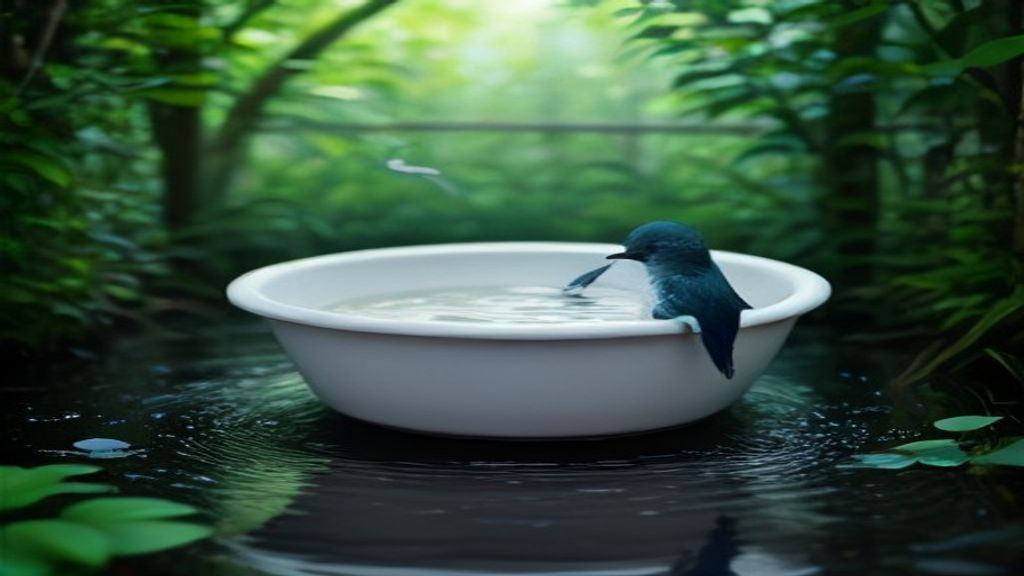
The Puddle Bird Bath Your Backyard Needs to Attract the Birds You Are Missing This Summer
What Happened
Ever wonder why certain birds seem to ignore your yard, even though you have a sleek, polished bird bath perched on a pedestal? The answer often lies in the subtle preferences of timid, ground‑dwelling species. While many birds love a deep, open basin, others are naturally cautious and look for water that feels safe, shallow, and close to the ground. A simple “puddle” bird bath—essentially a shallow, natural‑looking water feature—can bridge that gap and turn an empty yard into a bustling avian oasis.
Traditional bird baths can be intimidating for these shy visitors. A large, smooth surface offers little foothold and can feel exposed to predators. In contrast, a puddle mimics the shallow pools birds find in meadows, wetlands, and roadside ditches, where they can sip, splash, and preen with minimal risk. The transformation is often dramatic: within days of installing a modest puddle, you may notice sparrows, juncos, mourning doves, and even the occasional goldfinch making regular appearances.
Creating a puddle bird bath is surprisingly straightforward and requires only a few inexpensive items. A shallow tray, a large plant saucer, or even an old baking pan can serve as the basin. Add a layer of river rocks, pebbles, or broken terracotta pieces to give birds a stable footing, and fill the container with a few centimeters of fresh water. The result is a low‑key, inviting water source that blends seamlessly with garden décor while meeting the specific needs of ground‑foraging birds.
Key Details
The effectiveness of a puddle bird bath hinges on three core elements: depth, substrate, and placement. Aim for a water depth of 1–3 inches (2.5–7.5 cm). This range is deep enough for birds to bathe and splash, yet shallow enough that they can stand comfortably without feeling vulnerable. Too deep, and the birds may avoid it; too shallow, and the water evaporates quickly, reducing its usefulness.
Substrate is equally important. A mixture of smooth stones, river rocks, and a few larger flat pieces creates a textured surface that offers grip and a sense of security. Some bird enthusiasts also sprinkle a handful of sand or fine gravel, which not only improves traction but also mimics the natural riverbeds birds frequent in the wild. Adding a few low‑lying native plants or ornamental grasses around the edge can provide additional cover and make the puddle look like a natural mini‑wetland.
Maintenance should not be overlooked. Change the water every two to three days during hot summer months to prevent algae blooms and bacterial growth. A quick scrub with a soft brush and a rinse with mild, bird‑safe soap will keep the basin clear. If you notice mosquito larvae, a drop of liquid dish soap can break surface tension and deter breeding without harming birds.
Background
Birds have evolved to exploit a wide variety of habitats, but water remains a universal requirement for drinking, bathing, and thermoregulation. In urban and suburban settings, natural water sources are often scarce, forcing birds to rely on artificial feeders and baths. However, many species—particularly those that spend most of their time on the ground—are selective about the type of water they use. Studies have shown that ground‑foraging birds prefer shallow, irregular water bodies that provide both access and concealment.
The concept of a puddle bird bath draws directly from this ecological insight. By replicating the conditions of a natural puddle—shallow depth, uneven substrate, and proximity to vegetation—you create a micro‑habitat that meets the birds’ innate preferences. This approach aligns with broader conservation practices that aim to restore native water features in fragmented landscapes, helping to sustain local biodiversity even in heavily built environments.
Why It Matters
Providing a puddle bird bath does more than just add visual interest to your garden; it contributes to the health of local bird populations. Access to clean water is a limiting factor for many species during the breeding season, when hydration needs increase dramatically. By offering a reliable water source, you support successful nesting, chick development, and overall survival rates.
Moreover, a thriving backyard bird community can have cascading ecological benefits. Birds help control insect populations, pollinate plants, and disperse seeds, enhancing garden productivity and resilience. In the face of climate change and habitat loss, small, intentional actions—like installing a puddle—can make a measurable difference in maintaining ecological balance at the neighborhood level.
What Happens Next
After you set up your puddle bird bath, give the birds a little time to discover it. Early mornings and late afternoons are prime activity periods; you may hear soft chirps or see silhouettes fluttering near the water. To accelerate visitation, consider placing a few seed feeders or suet stations within a short radius, creating a mini‑hub of resources that encourages birds to linger and explore.
As the season progresses, observe how different species interact with the puddle. Some may use it solely for drinking, while others will bathe, splash, and even engage in playful social displays. Keep a simple log of species and frequency—it can be a rewarding citizen‑science activity that deepens your connection to the natural world. Over time, you may notice increased diversity, with new visitors arriving as the puddle becomes a well‑known oasis in the neighborhood.
Conclusion
In summary, a modest puddle bird bath is a powerful, low‑cost tool for attracting the shy, ground‑dwelling birds that often overlook conventional bird baths. By focusing on shallow depth, textured substrate, and thoughtful placement, you create a safe, inviting water source that mirrors the birds’ natural habitats. This simple addition not only enriches your backyard with feathered activity but also supports broader ecological health by providing essential resources during a critical time of year. Install a puddle today, tend to it with regular care, and watch as the missing birds of your summer return to fill your garden with song and color.
📖 See Also
📚 Sources & Attribution
- ✓ Gardening Know How