New York’s Massey Klein Gallery Closes Its Doors and Goes Nomadic After Nine Years
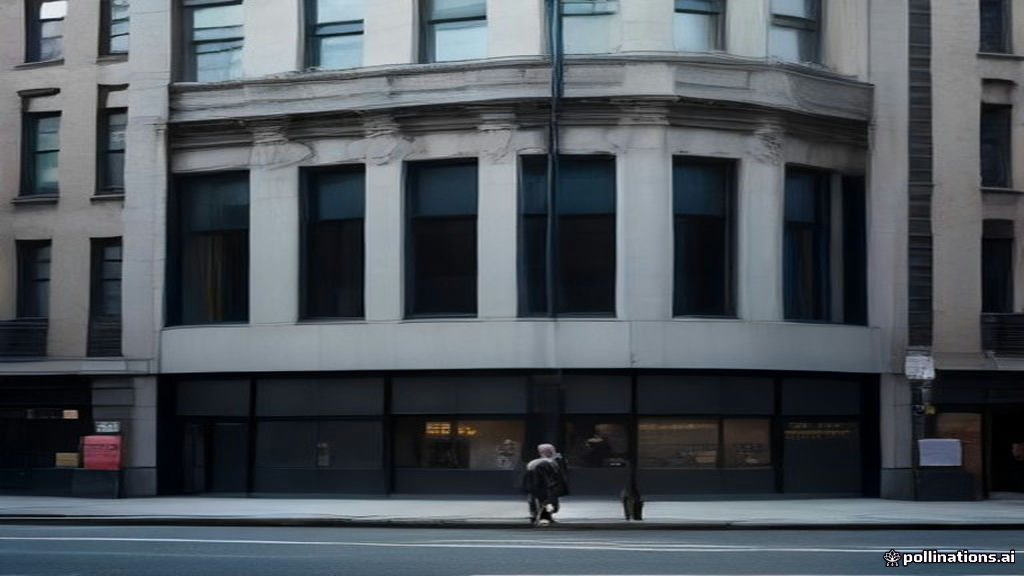
After nine years of showcasing contemporary art in the heart of Manhattan, Massey Klein Gallery announced that it will close its permanent space and adopt a nomadic model. Founded by husband‑and‑wife team Garrett Klein and Ryan Massey, the gallery has been a rare example of a Christian‑motivated venture in New York’s secular art world. Their decision reflects both practical challenges—rising rents and shifting audience habits—and a deeper desire to bring their faith‑based mission to a broader, more mobile audience.
What Happened
In a brief statement posted on the gallery’s website and shared on social media, Klein and Massey explained that the lease on their 2,000‑square‑foot SoHo location expires this December, and renewal terms are no longer viable. Rather than seek another costly brick‑and‑mortar space, the duo announced they will transition to a “pop‑up and traveling exhibition” format, partnering with churches, community centers, and alternative venues across the United States.
The announcement was met with a mixture of surprise and support from artists, collectors, and patrons who have followed the gallery since its opening in 2015. While some expressed disappointment at losing a steady physical hub, many praised the move as an innovative way to keep the gallery’s core values alive in a rapidly changing cultural landscape.
Key Details
The new model will involve quarterly “pop‑up seasons” in cities where the founders have personal or ministry connections, beginning with a three‑month run in Philadelphia’s historic Old City district in early 2025. Each season will feature a curated roster of emerging and mid‑career artists, with a focus on work that engages themes of spirituality, redemption, and social justice.
To maintain continuity, Massey Klein will retain a robust online platform that will host virtual exhibitions, artist talks, and a digital marketplace. The gallery also plans to launch a traveling fellowship that offers residencies for artists to create site‑specific pieces in collaboration with local faith communities.
Background
Garrett Klein, a former corporate lawyer, and Ryan Massey, an art historian, met while volunteering at a downtown church art program. Their shared Christian faith inspired them to open a space where art could serve both aesthetic and evangelical purposes. In 2015, they secured a modest loft on West Broadway, branding the gallery as a “faith‑inspired incubator for contemporary voices.”
Over the past nine years, Massey Klein has presented over 150 exhibitions, featuring artists such as Maya Hayashi, Jamal Thompson, and the late conceptual painter Lila Ortega. The gallery earned a reputation for daring programming that blended spiritual inquiry with avant‑garde practice, drawing a diverse audience that included both devout believers and secular art enthusiasts.
Why It Matters
The closure of a permanent venue underscores the broader economic pressures facing independent galleries in New York City, where rent hikes have forced many long‑standing spaces to shutter or relocate. By choosing a nomadic approach, Massey Klein highlights an alternative path for small institutions to survive without compromising their curatorial vision.
Equally significant is the gallery’s commitment to integrating faith into contemporary art discourse. In an industry where religious perspectives are often marginalized, Massey Klein’s model offers a template for how spiritual convictions can coexist with cutting‑edge artistic practice, potentially inspiring other faith‑based cultural organizations to explore more flexible, outreach‑oriented formats.
What Happens Next
In the coming months, Klein and Massey will finalize partnerships with at least five host venues, ranging from historic churches in the Midwest to university art centers on the West Coast. They are also developing a grant program to subsidize travel costs for artists and to fund community‑engagement projects tied to each pop‑up.
Meanwhile, the gallery’s online portal will undergo a redesign to accommodate high‑resolution virtual tours, interactive artist interviews, and an e‑commerce component that allows collectors to purchase works directly from the platform. The team hopes that a strong digital presence will keep their audience connected regardless of geographic location.
As Massey Klein embarks on this itinerant chapter, the founders remain guided by the same conviction that sparked the original space: to create a venue where art and faith intersect meaningfully. Whether through a temporary storefront in Brooklyn or a makeshift gallery in a rural chapel, their mission endures—proving that a gallery’s heart can thrive beyond four walls.
📖 See Also
📚 Sources & Attribution
- ✓ Art News