Jeumont Electric to Supply Propulsion Systems for Poland’s A26 Submarines
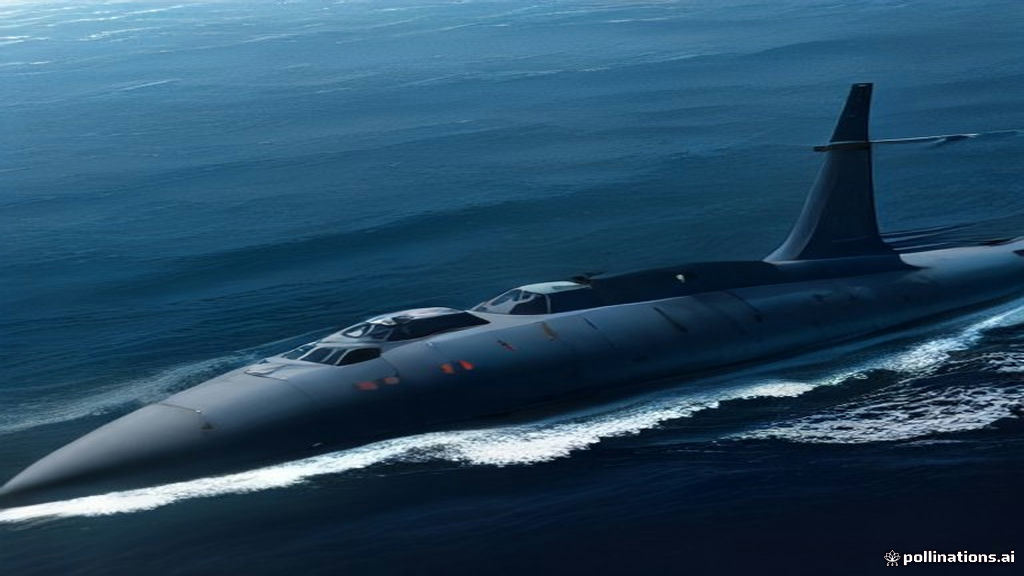
Jeumont Electric, a leading French provider of advanced power and propulsion solutions, has secured a contract to deliver three low‑signature electric propulsion systems for Poland’s upcoming A26 class submarines. The deal, part of the Polish Navy’s Orka programme, underscores a growing trend toward quieter, more efficient submarine designs and highlights deepening defence cooperation between France and Poland. The new propulsion units are expected to boost the operational capabilities of the A26 fleet while aligning with NATO’s emphasis on stealth and sustainability at sea.
What Happened
In a recent announcement, Jeumont Electric confirmed that it will supply three complete low‑signature electric propulsion systems for the Polish Navy’s A26 submarines. The contract, awarded under the Orka programme, marks the first time the French firm will provide its proprietary electric drive technology to a non‑French submarine platform. The delivery schedule is set to align with the construction timeline of the three A26 hulls, with the first system slated for integration by the end of 2027.
The agreement was signed in Warsaw following a series of technical workshops and joint feasibility studies conducted by Jeumont Electric and Polish shipbuilders. Both parties emphasized the importance of meeting the stringent acoustic and performance standards required for modern attack submarines, ensuring that the A26 class will remain competitively quiet in a crowded maritime environment.
Key Details
Each propulsion system will consist of a high‑efficiency electric motor, a power electronics suite, and an integrated control architecture designed to minimize acoustic emissions. Jeumont’s “low‑signature” technology employs advanced magnetic bearing designs and optimized motor winding configurations, reducing noise levels to well below the thresholds set by NATO’s Submarine Acoustic Signature guidelines. The electric drive is also capable of operating in both conventional diesel‑electric mode and in conjunction with future air‑independent propulsion upgrades.
The contract’s value has not been publicly disclosed, but industry analysts estimate it to be in the range of €150‑200 million for the three complete systems, including spares and maintenance support. Jeumont will also provide training for Polish naval personnel and a comprehensive after‑sales service package, ensuring long‑term reliability and performance throughout the submarines’ projected 30‑year service life.
Background
The A26 submarine program, known in Poland as the Orka programme, is a major component of the country’s effort to modernise its naval fleet. The initiative aims to replace aging vessels with next‑generation platforms capable of extended underwater endurance, enhanced stealth, and multi‑mission flexibility. Poland has contracted the Dutch shipyard Damen Shipyards Group to design and build the hulls, while integrating various subsystems from international partners, including the French propulsion solution.
Jeumont Electric has a long history of supplying electric propulsion for naval vessels, including the French Barracuda‑class nuclear attack submarines and a range of surface combatants. Its expertise in low‑signature electric drives makes it a natural fit for the A26’s design philosophy, which prioritises acoustic discretion and reduced magnetic signatures to counter increasingly sophisticated anti‑submarine warfare (ASW) capabilities.
Why It Matters
The partnership signals a strategic deepening of defence ties between Poland and France, two key NATO members seeking to bolster collective security in the Baltic and North Sea regions. By equipping its future submarines with cutting‑edge French electric propulsion, Poland not only gains access to proven technology but also strengthens interoperability with allied navies that operate similar systems.
From a broader perspective, the adoption of low‑signature electric propulsion reflects a global shift toward quieter, more environmentally friendly submarine designs. Electric drives reduce the need for noisy diesel generators and enable smoother, more precise manoeuvring, which is critical for covert operations and survivability in contested waters. This move also aligns with NATO’s push for greener maritime technologies, as electric propulsion can lower fuel consumption and emissions over the vessel’s lifecycle.
What Happens Next
With the contract now in place, Jeumont Electric will commence detailed engineering and testing of the propulsion units, coordinating closely with Damen Shipyards and Polish naval engineers. The first prototype motor is expected to undergo sea‑trial simulations by mid‑2025, after which any required refinements will be incorporated before full‑scale production begins.
Looking ahead, the integration of these propulsion systems will be a pivotal step in the overall construction schedule of the A26 submarines. Once the first vessel is commissioned, likely in the early 2030s, the Polish Navy will gain a formidable stealth platform capable of addressing both national defence needs and NATO collective missions. The success of the Orka programme could also pave the way for further collaborations, potentially extending Jeumont’s electric drive technology to other Polish maritime projects or to allied navies seeking similar capabilities.
In summary, Jeumont Electric’s supply of low‑signature electric propulsion systems to Poland’s A26 submarines marks a significant milestone in European naval innovation. The deal not only enhances the Polish Navy’s operational edge but also exemplifies the growing importance of quiet, efficient electric drives in modern submarine warfare. As the A26 class moves closer to reality, the partnership stands as a testament to the collaborative spirit driving the next generation of undersea platforms.
📖 See Also
📚 Sources & Attribution
- ✓ Naval News