It's been 25 years since 9/11 — here's how you can honor the anniversary
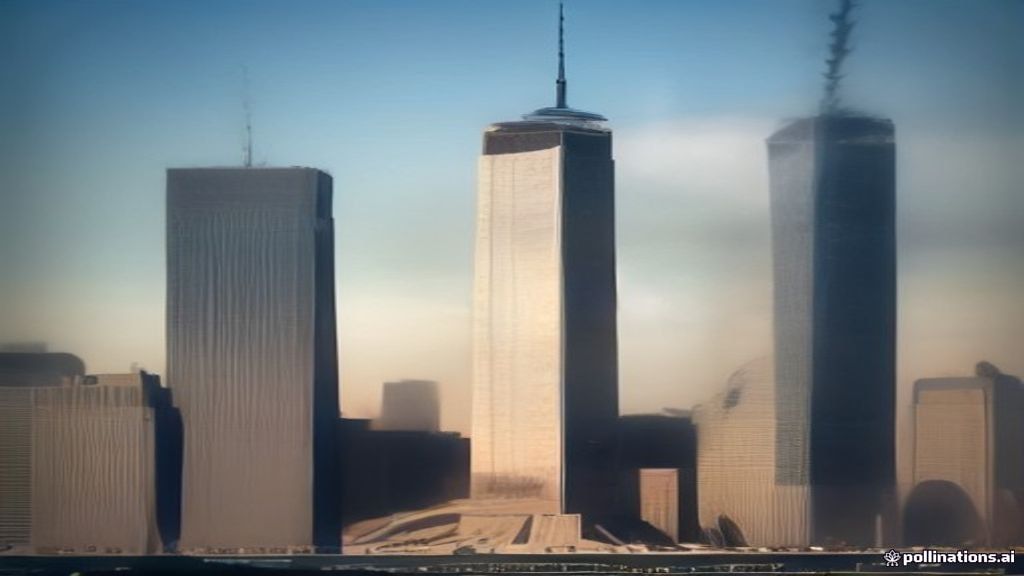
Twenty‑five years after the planes struck the World Trade Center, the Pentagon, and the field in Shanksville, the memory of September 11, 2001 remains vivid. It is a day that reshaped a nation, sparked global conversations about security, tolerance, and resilience, and left an indelible mark on countless families. As we mark this solemn anniversary, many look for meaningful ways to honor those lost, support survivors, and reinforce the values that were tested on that tragic morning.
📊 Key Facts At A Glance
- → It's been 25 years since the terrorist attacks of Sept
What Happened
On the morning of September 11, 2001, nineteen terrorists affiliated with al‑Qaeda hijacked four commercial airliners. Two planes were deliberately crashed into the North and South towers of the World Trade Center in New York City, causing both towers to collapse within hours. A third plane struck the Pentagon in Arlington, Virginia, while the fourth, United 93, crashed in a Pennsylvania field after passengers attempted to retake control.
The coordinated attacks resulted in the deaths of nearly 3,000 people from over 90 nations and injured thousands more. The images of smoke‑filled skies, emergency responders racing into danger, and the heroic resistance aboard Flight 93 have become enduring symbols of both tragedy and courage, shaping the collective consciousness of a generation.
Key Details
Beyond the immediate loss of life, the attacks triggered sweeping changes in U.S. domestic and foreign policy. The Department of Homeland Security was created, airport security was overhauled, and the USA PATRIOT Act expanded surveillance powers. Internationally, the events led to the War on Terror, including the invasions of Afghanistan and Iraq, which continue to influence geopolitics today.
In the years following 9/11, countless organizations emerged to aid victims and their families. The 9/11 Memorial & Museum in New York preserves the site’s history, while the September 11th Families’ Association offers support networks for those directly affected. Numerous charities, such as the OneWorld Health Fund and the National September 11 Memorial & Museum’s education programs, continue to receive donations to fund health research, first‑responder care, and educational outreach.
Background
The roots of the September 11 attacks lie in a complex web of geopolitical tensions, extremist ideology, and intelligence failures. Al‑Qaeda, led by Osama bin Laden, cited U.S. foreign policy in the Middle East as a justification for the attacks, aiming to provoke a dramatic response that would rally supporters to their cause. Prior to 9/11, U.S. agencies had fragmented intelligence on the plot, highlighting the need for better inter‑agency communication—a lesson that reshaped intelligence operations worldwide.
In the aftermath, the United States and its allies embarked on a massive effort to dismantle terrorist networks, leading to the capture or killing of many al‑Qaeda leaders. Yet the legacy of the attacks persists, influencing debates over civil liberties, immigration, and the balance between security and freedom that continue to shape policy discussions today.
Why It Matters
Remembering 9/11 is not merely an act of nostalgia; it serves as a reminder of the fragility of peace and the importance of vigilance. Honoring the victims and first responders reinforces a collective commitment to stand against hatred, bigotry, and extremism. It also underscores the sacrifices made by emergency personnel who continue to suffer from health issues linked to the toxic dust released by the collapsed towers.
Moreover, the anniversary offers an opportunity to reflect on the resilience of communities that rebuilt themselves from the ruins. Supporting organizations that provide mental‑health services, medical care, and scholarships for the children of victims helps ensure that the legacy of compassion and solidarity endures for future generations.
What Happens Next
As the 25th anniversary approaches, schools, museums, and civic groups are planning commemorative events that blend remembrance with education. Virtual tours of the 9/11 Memorial, survivor testimonies, and panel discussions on counter‑terrorism strategies are being organized to engage a younger audience that did not experience the day firsthand.
Looking forward, continued funding for research into the long‑term health effects on first responders and survivors remains critical. Donors are encouraged to contribute to reputable charities such as the 9/11 Tribute Museum, the September 11th Families’ Association, and the National September 11 Memorial & Museum’s education initiatives, all of which channel resources directly to those still healing from the tragedy.
In marking a quarter‑century since that fateful September morning, we honor the lives lost, the bravery displayed, and the enduring spirit of unity that emerged from the ashes. By remembering, educating, and giving, we ensure that the lessons of 9/11 continue to guide us toward a more compassionate and secure future.
📖 See Also
- CDC Undercounts Defensive Gun Uses
- Modern humans interbred with Neanderthals before they disappeared, and most people of non-African ancestry still carry roughly 1 to 4 percent Neanderthal DNA today — meaning part of the human population we once thought we simply replaced never actually vanished
- Understanding the Distinctive Features of Sweepstakes Casinos
📚 Sources & Attribution
- ✓ The Points Guy