IndyCars zip among iconic Washington landmarks ahead of Freedom 250
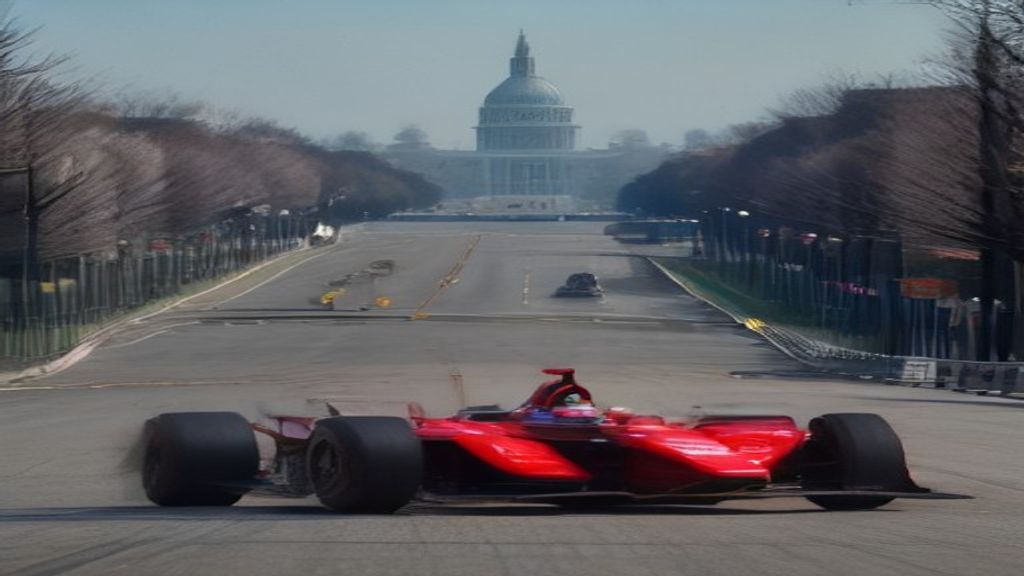
IndyCars roared through the streets of Washington, D.C., weaving past the White House, the Washington Monument, and the U.S. Capitol as the Freedom 250 Grand Prix kicked off its practice and qualifying sessions on Saturday. Conceived by President Donald Trump, the race is billed as a historic first for the IndyCar series in the nation’s capital, and organizers say it promises a “once‑in‑a‑lifetime” experience for drivers, fans, and the city alike.
What Happened
Saturday’s sessions turned the city’s iconic avenues into a high‑speed laboratory. Drivers tested the 2.5‑mile circuit, feeling the grip of the street surface under the shadow of the Lincoln Memorial and the reflective pool of the Reflecting Pool. The roar of V‑6 turbocharged engines echoed off marble facades, drawing crowds that stretched from the National Mall to the bustling sidewalks of Pennsylvania Avenue.
Bud Denker, chairman of the Freedom 250 and president of Penske Corporation, praised the atmosphere, calling the event “a once‑in‑a‑lifetime moment for IndyCar and for Washington.” Spectators, many wearing team colors and waving flags, cheered each hot lap, while local officials monitored safety protocols, ensuring that the historic backdrop remained unharmed.
Key Details
The Freedom 250 is a 250‑mile sprint, translating to roughly 100 laps around the downtown circuit. The layout features a blend of tight hairpins near the Capitol’s East Front, a sweeping straight along Constitution Avenue, and a technical chicane that threads between the National Archives and the Supreme Court. Top drivers—including former champions and rising rookies—took advantage of the practice runs to fine‑tune brake points and aerodynamic setups for the unique street‑car dynamics.
Security measures were extensive: the Federal Protective Service coordinated with IndyCar’s safety team to seal off the course, while medical crews and fire trucks were stationed at strategic corners. Over 30,000 tickets were sold for the Sunday race, and an additional 50,000 spectators were expected to watch from designated viewing zones and live‑stream platforms.
Background
IndyCar racing has traditionally thrived on purpose‑built ovals, road courses, and occasional street circuits such as Long Beach and Detroit. The series, tracing its roots to the early 1900s, has long sought to expand its footprint into major metropolitan centers, but political, logistical, and security challenges have limited such ambitions. The Freedom 250 represents the culmination of years of negotiations between the series, the District of Columbia, and federal agencies.
President Trump’s involvement stems from his long‑standing advocacy for motorsports as a showcase of American engineering and entrepreneurship. By championing a race that threads through the nation’s most recognizable monuments, the administration aims to blend sport with patriotic symbolism, positioning the event as both a competitive spectacle and a cultural statement.
Why It Matters
For IndyCar, the Freedom 250 is a watershed moment that could open doors to future urban races in other capital cities worldwide. Success here may encourage city planners to consider temporary street circuits as viable economic drivers, boosting tourism, hospitality, and local business revenue during race weekends.
Politically, the event underscores how sport can be leveraged to project national identity. By placing high‑performance racing cars against the backdrop of American democracy’s symbols, the Freedom 250 sends a message of innovation, freedom, and resilience—values the organizers argue are central to the United States’ global image.
What Happens Next
Sunday’s main race will feature a qualifying shootout to set the starting grid, followed by the 250‑mile sprint that promises close‑quarters battles and strategic pit stops. Teams will need to balance tire wear on the abrasive street surface with fuel strategy, while drivers must stay vigilant for the narrow gaps and sudden braking zones that define the course.
Post‑race, organizers plan to evaluate the event’s impact on traffic flow, public safety, and economic benefit. A comprehensive report will be presented to the District’s mayor and the federal government, potentially paving the way for an annual Freedom 250 or even a rotating series of capital‑city Grand Prix events.
Conclusion
The Freedom 250 Grand Prix has already turned Washington, D.C., into a temporary racing arena, delivering thrills that echo off the city’s most revered monuments. As drivers prepare for Sunday’s showdown, the event stands as a bold experiment in blending high‑speed sport with historic scenery, promising to leave a lasting imprint on both IndyCar’s legacy and the capital’s cultural landscape.
📖 See Also
📚 Sources & Attribution
- ✓ Yahoo Sports