Call for greater focus on maintenance as rooftop solar fleet grows in Australia
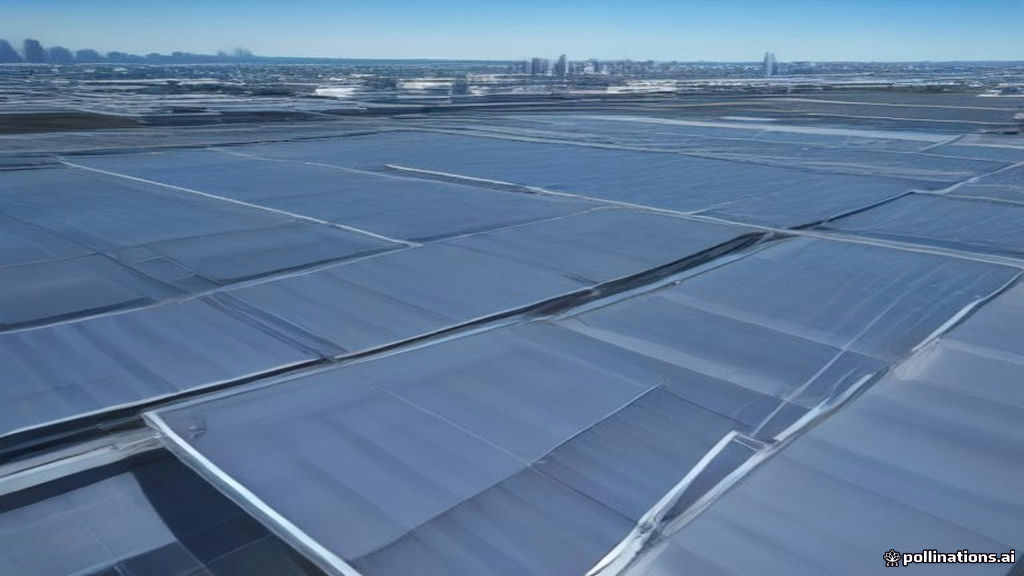
Australia’s rooftop solar market has surged past the 5‑gigawatt mark, making the nation one of the world’s leaders in distributed renewable energy. While the visual impact of solar panels on homes and businesses is unmistakable, a quieter issue is gaining attention: the long‑term upkeep of an ageing fleet. Industry bodies, regulators and consumer groups are now urging a coordinated push for systematic maintenance to protect performance, safety and the financial returns that households expect from their solar investments.
What Happened
During the past two years, a series of high‑profile incidents—ranging from inverter failures to panel delamination—has highlighted gaps in the way rooftop systems are serviced. In Queensland, a fire traced to a poorly maintained array prompted a state inquiry, while in New South Wales, a study found that more than 30 % of installations older than ten years were operating at below‑optimal efficiency. These events have sparked a public debate about who should bear responsibility for routine checks and repairs.
In response, the Clean Energy Council (CEC) released a position paper calling for mandatory maintenance schedules and clearer warranty guidelines. The paper, endorsed by several major installers, recommends that owners receive annual service reminders and that installers be required to log maintenance actions in a centralized database accessible to regulators and consumers alike.
Key Details
The CEC’s proposal outlines three core actions: (1) a minimum annual inspection covering inverters, mounting hardware and wiring; (2) a standardized reporting format that captures performance data and any corrective work; and (3) a government‑backed incentive—such as a modest rebate or tax credit—to offset the cost of the first two years of maintenance for residential owners. Early pilots in Victoria have shown a 12 % uplift in system output after implementing these checks.
Funding for the incentive scheme could be sourced from the existing Renewable Energy Target (RET) fund, which already supports large‑scale solar projects. Meanwhile, the Australian Energy Regulator (AER) is reviewing its consumer protection rules to potentially require installers to provide a five‑year maintenance guarantee, extending beyond the typical two‑year warranty that many panels currently carry.
Background
Rooftop solar installations in Australia exploded after the 2011 feed‑in tariff reforms, with household uptake accelerating dramatically between 2015 and 2022. By 2023, over 2.8 million homes had panels, and the average system size had risen from 3 kW to 5 kW, reflecting both falling equipment costs and greater consumer confidence. However, the rapid growth outpaced the development of a formal after‑sales service ecosystem, leaving many owners reliant on ad‑hoc support from installers or DIY troubleshooting.
Compounding the issue, the technology landscape has evolved. Early‑generation panels used less durable encapsulants and mounting systems that are now reaching the end of their design life. Inverters, the “brain” of a solar system, have a typical lifespan of 10‑12 years and often require firmware updates or component replacements to stay compatible with newer grid standards. Without proactive maintenance, these ageing components can degrade performance by up to 25 %.
Why It Matters
From an economic perspective, neglected maintenance erodes the return on investment that homeowners count on to offset electricity bills. A study by the Australian Renewable Energy Agency (ARENA) estimated that systematic annual checks could preserve an average of 8 % of a system’s annual output, translating to roughly AU$150 in saved electricity costs per household each year. Scaling this across the national fleet represents a potential AU$400 million boost to household savings annually.
Safety is equally critical. Faulty wiring or deteriorated mounting can lead to electrical shocks, fire hazards, and structural failures, especially in regions prone to extreme weather. By instituting regular inspections, regulators can mitigate these risks, protect insurance premiums, and maintain public confidence in solar as a reliable, low‑risk energy source.
What Happens Next
In the coming months, the Australian Energy Market Operator (AEMO) plans to convene a stakeholder workshop to refine the proposed maintenance framework and align it with grid reliability goals. The workshop will bring together manufacturers, installers, consumer advocates and state regulators to discuss data sharing protocols, certification pathways for maintenance technicians, and the logistics of the proposed rebate program.
Simultaneously, several leading installer networks have pledged to pilot a “maintenance as a service” model, offering subscription‑based upkeep packages that bundle inspections, cleaning and component replacements. If these pilots demonstrate cost‑effectiveness, they could become the template for a national service standard, ensuring that Australia’s rooftop solar fleet remains productive, safe, and financially rewarding for years to come.
As the country continues to expand its clean‑energy footprint, the focus must shift from merely installing panels to sustaining them. By embedding robust maintenance practices into the lifecycle of rooftop solar, Australia can safeguard its investment, protect consumers, and keep the sun shining brightly on its renewable‑energy future.
📖 See Also
📚 Sources & Attribution
- ✓ PV Magazine