Why Passport Photo Rules Are So Strict: The Biometric Science of a Boring Picture
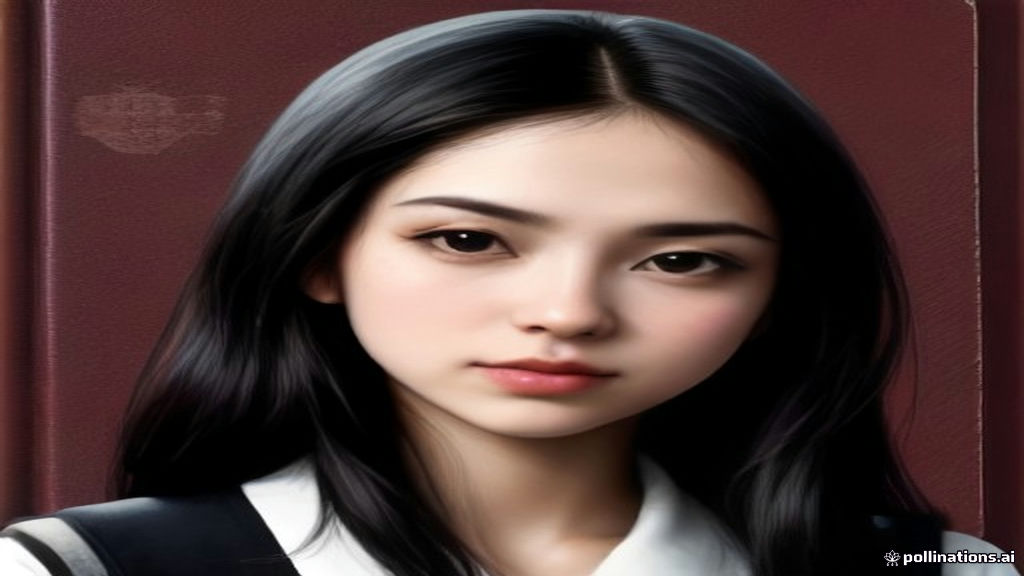
Getting a passport photo rejected for a barely‑noticeable shadow can feel like a bureaucratic joke, but the rules behind that seemingly boring picture are rooted in hard science. Governments worldwide require strict standards not because they enjoy nitpicking, but because a passport’s primary function is to serve as a reliable, machine‑readable identity document. Even the smallest deviation—an uneven lighting gradient, a stray hair, or a subtle tilt—can interfere with facial‑recognition algorithms, border‑control scanners, and fraud‑prevention tools that protect nations and travelers alike.
What Happened
Imagine standing in a busy photo studio, smiling politely, and receiving a polite “Sorry, we need to retake that” because a faint shadow fell under your jawline. The clerk may not be able to articulate the exact issue, but the photo fails to meet the precise illumination criteria set by the issuing authority. The shadow, often imperceptible to the human eye, creates a contrast that confuses the biometric software used to compare your live face to the stored digital template.
In many cases, the rejection notice will cite “non‑uniform lighting” or “shadows on the face” without further detail. This lack of specificity leaves applicants frustrated, prompting a flurry of retakes, extra fees, and wasted time. The underlying problem isn’t aesthetic; it’s technical. Modern border systems rely on consistent pixel‑level data, and any anomaly can increase false‑reject rates, slowing down the verification process for everyone.
Key Details
The International Civil Aviation Organization (ICAO) sets global standards for passport photos, specifying a neutral facial expression, a plain background, and lighting that produces even illumination across the face. The lighting must eliminate shadows on the forehead, cheeks, chin, and neck, ensuring that the contrast ratio stays within a narrow band (typically less than 10% variation). These parameters allow automated systems to extract reliable facial landmarks—eyes, nose tip, mouth corners—without interference.
Biometric algorithms analyze the geometry of facial features by mapping a three‑dimensional model onto a two‑dimensional image. Shadows distort that model, causing errors in the calculation of distances and angles between landmarks. Even a 2‑degree tilt or a 0.5‑centimeter shadow can shift the perceived position of the nose tip enough to trigger a mismatch when the passport is scanned at an e‑gate.
Background
Passport photos have evolved from simple portrait prints to high‑security biometric data carriers. In the 1990s, the introduction of machine‑readable zones (MRZ) and later facial‑recognition chips required a uniform visual baseline. Researchers discovered that inconsistent lighting dramatically reduced algorithmic accuracy, leading to higher false‑positive rates—an unacceptable risk for border security.
As nations adopted e‑passports equipped with embedded chips storing a digital facial image, the need for strict visual standards intensified. The ICAO’s Document 9303 outlines the exact specifications, and most countries adopt or adapt these rules. The “boring” nature of the photo is intentional: it eliminates variables that could compromise the integrity of the biometric template stored on the chip.
Why It Matters
Uniform, shadow‑free passport photos improve the reliability of automated border control (ABC) systems, reducing wait times and staffing needs. When the facial image matches the stored biometric data within a tight tolerance, travelers can glide through e‑gates without manual inspection. Conversely, a photo that fails the standards forces a manual check, increasing the workload for border officers and raising the chance of human error.
Beyond efficiency, strict photo rules are a frontline defense against identity fraud. Criminals often attempt to manipulate photos—using makeup, disguises, or digital alterations—to create false identities. Consistent lighting and background conditions make it easier for algorithms to detect anomalies, such as mismatched skin tones or unnatural shadows, thereby protecting the passport’s credibility.
What Happens Next
When a photo is rejected, the applicant must submit a new image that complies with the technical specifications. Many countries now offer online validation tools where users can upload a picture and receive instant feedback on lighting, background, and facial positioning. This pre‑screening helps reduce the number of physical retakes and streamlines the issuance process.
Looking ahead, advances in 3‑D imaging and deep‑learning verification may relax some visual constraints, allowing more natural images while preserving security. However, until such technologies become universally adopted and vetted, the current strict standards remain essential. Travelers are encouraged to use professional passport photo services that understand the biometric requirements, or to carefully follow the official guidelines when taking their own photos.
In the end, the seemingly pedantic rules governing passport photos are anything but trivial. They are a carefully calibrated blend of science, security, and practicality designed to ensure that a simple, shadow‑free portrait can reliably confirm who you are, wherever you travel. By appreciating the biometric logic behind the “boring picture,” travelers can save time, avoid frustration, and contribute to a smoother, safer global travel ecosystem.
📖 See Also
📚 Sources & Attribution
- ✓ Fstoppers