Warhammer 40,000: Dark Heresy, The Follow-Up To Rogue Trader, Gets Early 2027 Release Date
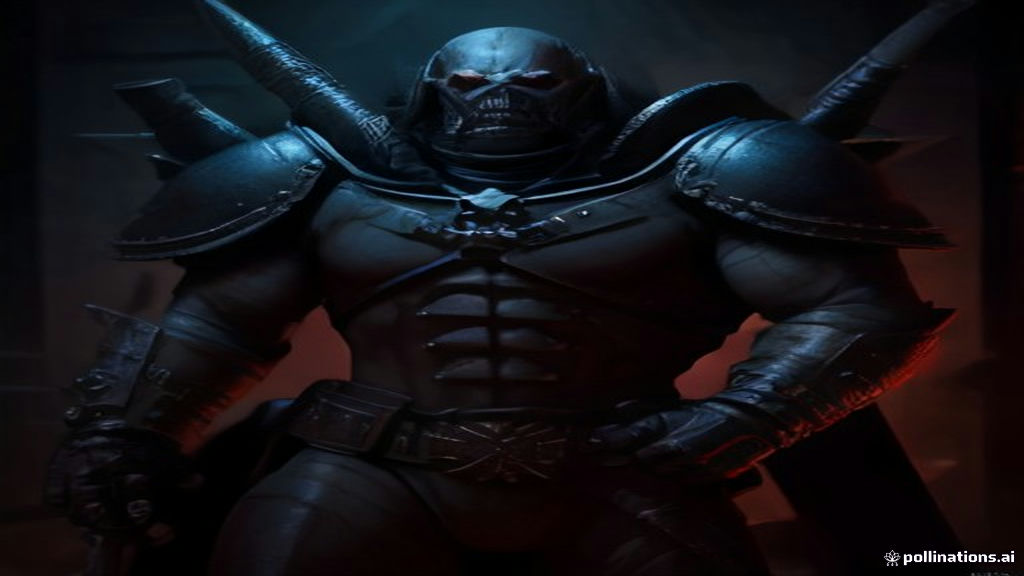
Owlcat Games has finally lifted the veil on its most ambitious Warhammer 40,000 project to date. After a lengthy development cycle that began shortly after the studio’s debut title, Warhammer 40,000: Rogue Trader, the studio announced that the dark, gritty CRPG Warhammer 40,000: Dark Heresy will hit shelves on January 28, 2027. The game will launch simultaneously on PC, PlayStation 5, and Xbox Series X|S, promising a unified experience across the current generation of consoles and computers. Fans of the franchise and RPG enthusiasts alike now have a concrete date to mark on their calendars, and the industry is already buzzing about what this release could mean for the future of narrative‑driven, tabletop‑based video games.
What Happened
In a short, tightly‑produced video posted to Owlcat’s official YouTube channel, the studio’s creative director revealed the exact launch window for Dark Heresy. The announcement came alongside a fresh trailer that showcased the game’s signature blend of grimdark aesthetics, intricate character creation, and deep, choice‑driven storytelling. The trailer highlighted the player stepping into the role of an Inquisitor—a rare and powerful figure within the Imperium tasked with rooting out heresy, corruption, and alien threats across the galaxy.
Accompanying the visual reveal, Owlcat released a press statement confirming that the title will be available on January 28, 2027, for PC, PS5, and Xbox Series X|S. The studio emphasized that this date reflects a “gold‑master” build that has cleared internal quality‑assurance milestones, and that the game will ship with full support for next‑gen hardware features such as ray‑traced lighting, high‑resolution textures, and adaptive audio. The announcement also hinted at a post‑launch roadmap that includes additional story chapters, community‑driven mod tools, and cross‑platform multiplayer modes.
Key Details
Dark Heresy builds on the core mechanics that made Rogue Trader a critical success, but it expands the scope dramatically. Players will craft an Inquisitor from the ground up, selecting from a range of Ordos—such as the Ordo Malleus (Daemonhunters), Ordo Xenos (Alien Hunters), and Ordo Hereticus (Witch Hunters)—each offering unique skill trees, dialogue options, and investigative tools. The game’s combat system combines turn‑based tactical encounters with real‑time action sequences, allowing for both strategic planning and visceral firefights against the galaxy’s most dangerous foes.
Beyond the combat, the narrative is said to be heavily branching, with decisions that ripple across entire star systems. The developers promise that choices made in one mission can affect the political landscape, the fate of entire worlds, and the availability of future quests. Dark Heresy will also feature a robust companion system, where recruited allies—ranging from veteran Space Marines to enigmatic psykers—will have their own personal arcs and loyalty meters that influence the story’s outcome.
Background
Owlcat Games entered the Warhammer universe with Rogue Trader, a sprawling CRPG that introduced players to the grimdark future of the 41st millennium through the eyes of a fledgling starship captain. While Rogue Trader earned praise for its deep role‑playing elements and faithful adaptation of the tabletop lore, the game’s development was famously protracted, with multiple delays and a long period of post‑launch support. The studio’s commitment to delivering a high‑quality experience earned it a loyal fanbase, but also set high expectations for its next venture.
Dark Heresy represents the studio’s second foray into the Warhammer 40K franchise, and it marks a shift in focus from the broad, exploratory nature of Rogue Trader to a more focused, investigative experience. By placing players in the shoes of an Inquisitor, Owlcat aims to explore the darker, more secretive aspects of the Imperium—an angle that has been relatively under‑explored in video games. The decision to target a simultaneous multi‑platform release also reflects the studio’s desire to reach a wider audience and to capitalize on the technical capabilities of the latest console generation.
Why It Matters
First, the confirmed 2027 release date provides a much‑needed anchor for both fans and investors. The Warhammer 40K franchise has become a multi‑billion‑dollar juggernaut across tabletop, books, and video games, yet the market has seen few high‑profile, narrative‑driven releases in recent years. Dark Heresy could fill that gap, offering a deep, story‑centric experience that competes with other major RPG franchises while staying true to the grimdark tone that defines Warhammer 40K.
Second, the game’s emphasis on player choice and branching storylines could set a new benchmark for how tabletop IPs are adapted for interactive media. If Owlcat delivers on its promise of a living, reactive galaxy, it may inspire other developers to pursue similarly ambitious adaptations, potentially revitalizing the genre and expanding the audience for complex, lore‑heavy games.
What Happens Next
Following the announcement, Owlcat has outlined a clear development roadmap leading up to the January 2027 launch. The studio plans to release a series of developer diaries and gameplay demos over the next twelve months, each focusing on different aspects of the game—from character creation to combat mechanics and world‑building. Additionally, a closed beta is slated for early 2026, giving select community members the chance to test the game’s systems and provide feedback that could shape the final product.
Beyond the launch, Owlcat intends to keep the game alive with post‑release content. The studio has hinted at “Inquisition Chronicles,” a set of episodic expansions that will introduce new heretical threats, planetary crises, and Ordo‑specific storylines. Community modding tools will also be released, allowing players to craft their own missions and narratives, further extending the lifespan of Dark Heresy and fostering a vibrant, user‑generated ecosystem.
With a firm release date, a tantalizing glimpse of its gameplay, and a clear vision for post‑launch support, Warhammer 40,000: Dark Heresy is poised to become a landmark title for both the Warhammer franchise and the CRPG genre. As the countdown to January 28, 2027 begins, fans can finally set their expectations and prepare for a journey into the shadows of the Imperium—where every decision could mean the difference between salvation and annihilation.
📖 See Also
📚 Sources & Attribution
- ✓ GameSpot News