US-Mexico Aim to Renew Security Ties Amid Ongoing Visa Conflict
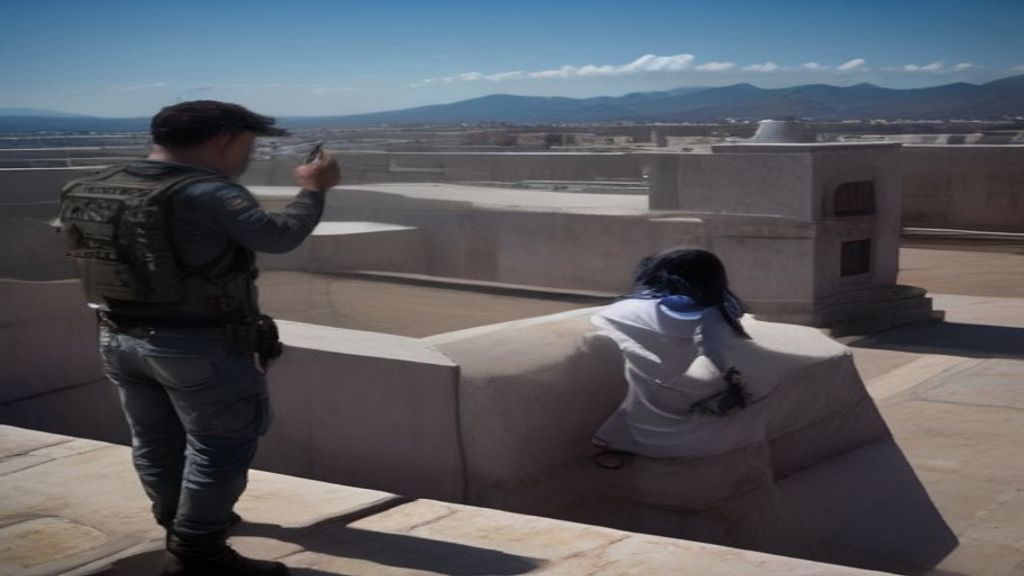
US-Mexico Aim to Renew Security Ties Amid Ongoing Visa Conflict
Introduction
The United States and Mexico share a 1,954‑mile border, a bustling trade corridor, and intertwined security challenges. Recent diplomatic friction—sparked by the revocation of a U.S. visa for senior Mexican aide Andy López Beltrán—has threatened to eclipse a broader agenda of cooperation. Yet both governments are signaling a willingness to move past the dispute and reinforce joint efforts against drug trafficking, illegal migration, and transnational crime.
What Happened
In early June, the U.S. Department of State cancelled the visa of Andy López Beltrán, a close confidant of President Andrés Manuel López Obrador and a key figure in Mexico’s security apparatus. U.S. officials cited “serious concerns” about his alleged connections to organized crime, a claim the Mexican government promptly rejected as unfounded and politically motivated.
The decision ignited a diplomatic row. Mexico’s foreign ministry summoned the U.S. ambassador, demanded an explanation, and warned that the move could jeopardize ongoing security collaborations. Washington, meanwhile, defended the revocation as a routine exercise of sovereign authority, emphasizing that visa decisions are based on security assessments rather than diplomatic considerations.
Key Details
Andy López Beltrán heads the Secretariat of Security and Civilian Protection’s intelligence unit, overseeing coordination between federal, state, and local law‑enforcement agencies. His removal from the U.S. entry list complicates scheduled bilateral meetings, joint training sessions, and the exchange of classified intelligence that have been central to recent anti‑narco operations.
Despite the tension, both capitals have continued to fund and execute high‑impact initiatives. The “Mérida Initiative” remains active, providing U.S. equipment, training, and financial assistance to Mexican forces. Simultaneously, the two nations have launched a new “Border Resilience Task Force” aimed at disrupting human‑smuggling networks and improving rapid response capabilities along critical crossing points.
Background
U.S.–Mexico security cooperation dates back to the 1990s, intensifying after the 2006 launch of the Mérida Initiative, a multibillion‑dollar partnership targeting drug cartels and organized crime. Over the past decade, joint operations have led to the seizure of thousands of kilograms of narcotics, the dismantling of major trafficking routes, and the capture of high‑profile cartel leaders.
Nevertheless, the relationship has been punctuated by periodic strains—ranging from disputes over asylum policies to disagreements on the deployment of U.S. Border Patrol agents in Mexican territory. The visa controversy adds another layer, testing the resilience of a partnership that has survived political turnovers on both sides.
Why It Matters
Effective security collaboration is essential for both nations. For the United States, curbing the flow of illicit drugs and preventing the spillover of violence into border communities directly impacts public health and safety. For Mexico, U.S. intelligence, technology, and financial resources are vital tools in confronting cartels that wield significant economic and political power.
The visa dispute also carries symbolic weight. A perceived affront to a senior Mexican official could be interpreted domestically as a lack of respect for Mexico’s sovereignty, potentially fueling nationalist rhetoric and complicating future negotiations on broader issues such as trade, migration, and climate cooperation.
What Happens Next
In the short term, diplomatic channels are working to de‑escalate the row. Senior officials from both countries have scheduled a series of private meetings in Washington and Mexico City to clarify the visa decision and explore mechanisms for restoring trust. Meanwhile, operational teams on the ground are instructed to maintain existing joint patrols and intelligence exchanges, ensuring that day‑to‑day security work is not disrupted.
Looking ahead, analysts expect a formal “Security Cooperation Review” to be tabled at the upcoming bilateral summit in late 2024. The review will likely address visa protocols for security personnel, propose a joint oversight committee, and outline new funding streams for cross‑border technology platforms. If successful, these steps could transform a moment of tension into a catalyst for a more transparent and resilient partnership.
Conclusion
The visa revocation of Andy López Beltrán underscores the delicate balance between national security prerogatives and diplomatic goodwill. While the episode has introduced friction, the underlying strategic imperatives that bind the United States and Mexico remain compelling. By confronting the dispute head‑on and reinforcing institutional mechanisms for cooperation, both nations can safeguard the progress made over decades and ensure that security ties continue to serve the broader interests of the North American region.
📖 See Also
📚 Sources & Attribution
- ✓ Mexico News Weekly