Ultimate guide to Turkish baths
Introduction
The Turkish bath, or hammam, is more than a place to cleanse; it is a centuries‑old ritual that blends architecture, hospitality, and wellness. From the marble‑clad chambers of Ottoman Istanbul to modern spa retreats worldwide, the hammam offers a unique combination of heat, steam, exfoliation, and social interaction. This ultimate guide walks you through the origins, key features, cultural relevance, health benefits, and future of Turkish baths, helping you understand why this tradition remains a cherished sanctuary for body and soul.What Happened
The hammam emerged during the height of the Ottoman Empire, inspired by Roman and Byzantine bathhouses but adapted to Islamic customs. Built adjacent to mosques, these public baths served as communal spaces where men and women—often at separate times—could cleanse after prayers, conduct business, and exchange news. The ritual of moving through progressively hotter rooms, followed by a vigorous scrub and a cool rinse, became a daily routine for many citizens.
As the empire expanded, the hammam spread across the Balkans, the Middle East, and North Africa. By the 19th century, European travelers began documenting the experience, dubbing it “the Turkish bath” and introducing the concept to Western spa culture. Today, you’ll find authentic hammams in historic districts of Istanbul, Marrakech, and Granada, alongside contemporary reinterpretations in luxury hotels and wellness centers around the globe.
Modern visitors typically start in the tepidarium, a warm vestibule that eases the body into the heat. They then progress to the sıcaklık, the scorching hot chamber where steam rises from a marble platform, and finally to the soğukluk, a cool room for relaxation and recovery. Throughout the session, attendants provide a traditional kese (exfoliating glove) scrub, a full‑body massage, and often a fragrant tea or rose‑water rinse.
Key Details
A classic hammam is organized around three temperature zones. The first, the soğukluk (cool room), offers a place to undress and acclimate. The second, the tepidarium (warm room), maintains a gentle heat that prepares the skin for deeper sweating. The third, the sıcaklık (hot room), features a marble slab called the göbek taşı where patrons lie, allowing steam to penetrate pores. The temperature can reach 45‑50 °C with humidity above 80 %.
The exfoliation step uses a kese, a hand‑woven glove made from goat or horsehair. The attendant rubs the skin in circular motions, removing dead cells and stimulating circulation. After the scrub, a soap massage—often with olive‑oil based “sabun”—softens the skin further. Many hammams also offer a “foam massage” where a light, airy lather is applied, followed by a cool water rinse to close the pores.
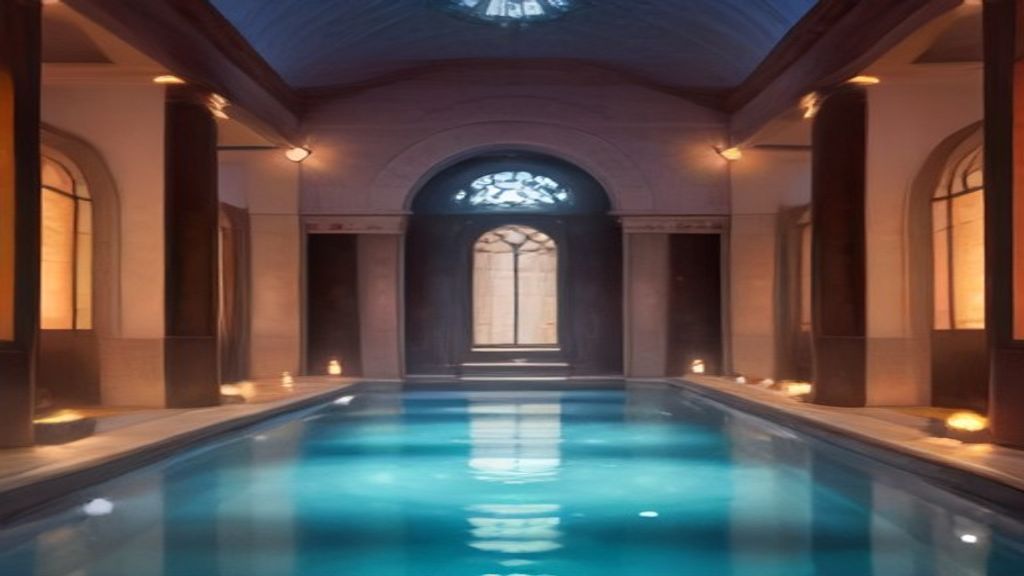
Architecturally, hammams are masterpieces of light and water. Domed ceilings punctuated with small glass openings (called “oculi”) create a soft, diffused glow that enhances the meditative atmosphere. Intricate tilework, marble columns, and marble basins (known as “kurnas”) not only serve aesthetic purposes but also help regulate temperature and humidity throughout the space.
Background
The roots of the Turkish bath trace back to Roman thermae, which the Byzantines preserved and the Ottomans later transformed. While Roman baths emphasized public hygiene and leisure, Ottoman hammams incorporated Islamic modesty and ritual purity, making them essential components of daily religious life. The design evolved to include separate sections for men and women, and the bathing schedule often aligned with the five daily prayers.
Beyond cleansing, hammams functioned as social institutions. Weddings, birth celebrations, and even political negotiations took place within their steam‑filled walls. The communal nature fostered a sense of belonging, and the shared experience of heat and relaxation broke down social barriers, allowing people from different classes to interact on equal footing.
Why It Matters
From a health perspective, the hammam’s combination of heat, steam, and massage offers measurable benefits. The high humidity opens pores, facilitating detoxification through sweat. The subsequent cold plunge improves vascular tone, while the vigorous kese scrub promotes lymphatic drainage and skin renewal. Regular visits have been linked to reduced muscle tension, improved circulation, and relief from respiratory conditions such as asthma.
Psychologically, the hammam provides a sanctuary from modern stressors. The rhythmic sounds of water, the warm glow of the oculi, and the ritualized sequence of rooms create a meditative environment that lowers cortisol levels and encourages mindfulness. Moreover, the communal aspect nurtures social connection, combating loneliness and fostering a sense of community—an increasingly valuable commodity in today’s digital age.
What Happens Next
As global wellness trends continue to prioritize holistic experiences, the hammam is poised for a renaissance. Designers are blending traditional Ottoman motifs with sustainable materials, creating eco‑friendly hammams that use solar‑heated water and recycled marble. Meanwhile, technology is enhancing the experience: infrared steam generators, aromatherapy diffusion systems, and app‑based booking platforms make the ancient ritual more accessible to tech‑savvy travelers.
In addition, cultural tourism is driving interest in authentic hammams. Cities like Istanbul are investing in the restoration of historic bathhouses, turning them into living museums where visitors can partake in genuine rituals under the guidance of trained attendants. This revival not only preserves architectural heritage but also educates new generations about the social and therapeutic value of the Turkish bath.
Conclusion
📖 See Also
📚 Sources & Attribution
- ✓ Matador Network