The US Air Force wants its next generation of target drones to mimic stealth jets
Introduction
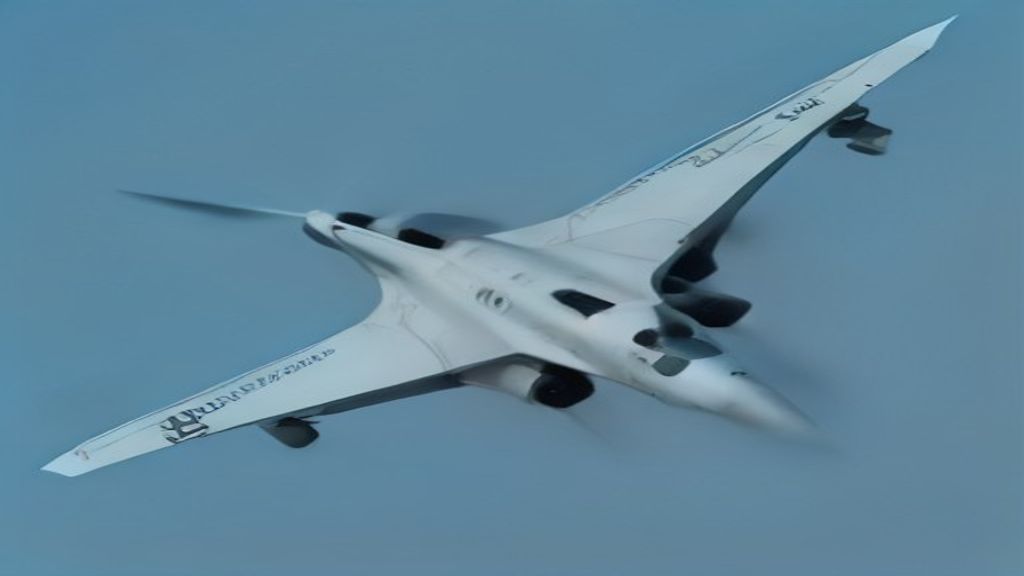
The United States Air Force is launching a new procurement effort to create a generation of cheap, expendable target drones that can convincingly imitate the flight envelope, radar signature, and maneuverability of modern stealth aircraft. By fielding drones that behave like low‑observable fighters, bombers and even smaller aerial threats, the service hopes to give its pilots and missile crews a far more realistic training environment—one that mirrors the challenges they will face against adversaries equipped with fifth‑generation platforms such as the F‑35, F‑22 and emerging Chinese stealth designs.What Happened
In early 2024 the Air Force released a formal request for proposals (RFP) seeking industry concepts for an “Expendable Low‑Observable Target” (ELOT) system. The RFP emphasizes that the drones must be inexpensive enough to be used in large numbers, yet sophisticated enough to replicate the low radar cross‑section (RCS), high‑speed cruise, and rapid‑turn capabilities of stealth jets. The program is being managed by the Air Force Rapid Capabilities Office (RCO), which has a track record of fast‑track acquisition for emerging technologies.
The solicitation follows a series of internal tests that revealed a gap in the current training suite. Existing target drones, such as the MQ‑9 Reaper‑derived “Banshee” and the smaller “Gorgon Stare” UAVs, can simulate conventional aircraft but fall short when tasked with reproducing the reduced RCS and high‑G maneuver envelope of stealth platforms. As a result, pilots have been forced to train against either non‑stealth drones or costly manned aircraft, limiting the fidelity of live‑fire exercises.
To address this shortfall, the Air Force is looking for a modular, mass‑produced drone that can be launched from a variety of platforms—ground launchers, cargo aircraft, or even existing fighter bays. The intent is to field a fleet that can be deployed in swarms, creating a dense, dynamic threat environment that forces aircrews to practice sensor‑fusion, data‑link coordination, and advanced missile engagement tactics under realistic conditions.
Key Details
The RFP outlines several performance metrics that proposals must meet. First, the drone must achieve a top speed of at least Mach 1.5 and sustain high‑altitude cruise at 40,000 feet, matching the typical operating envelope of stealth fighters. Second, the airframe must incorporate shaping and radar‑absorbent materials that reduce its RCS to below 0.1 m², a figure comparable to the F‑35’s signature. Third, the vehicle must be capable of executing high‑G turns (up to 7 G) and rapid acceleration/deceleration profiles to emulate the agility of modern combat jets.
Cost is a critical driver. The Air Force has indicated a target unit price of under $150,000, including the airframe, propulsion, and a basic suite of sensors. To keep costs low, the design is expected to use off‑the‑shelf components where possible—commercial turbofan or turbojet engines, 3‑D‑printed composite structures, and open‑architecture flight‑control software that can be updated remotely.
In terms of autonomy, the drones will feature a high‑level “mission‑manager” that can receive pre‑programmed flight paths, react to real‑time threat cues, and execute evasive maneuvers without constant human input. A secure datalink will stream telemetry back to ground stations, allowing range controllers to monitor performance and adjust scenarios on the fly. Some concepts also propose a “plug‑and‑play” payload bay that could carry electronic‑warfare (EW) emitters or infrared flares to further diversify the threat set.
Background
Target drones have been a staple of air‑to‑air and air‑to‑ground training since the early Cold War, evolving from simple radio‑controlled models to sophisticated, high‑performance UAVs. The Air Force’s current “Advanced Tactical Target System” (ATTS) fleet includes the QF‑16 “Full‑Scale Aerial Target” (FSAT) and the “Banshee” UAV, both of which are effective against legacy aircraft but lack the stealth characteristics of today’s top-tier fighters.
Over the past decade, the proliferation of low‑observable technology among near‑peer competitors has forced a reassessment of training needs. Simulated engagements against stealthy targets are essential for validating sensor algorithms, missile guidance laws, and pilot decision‑making. The Air Force’s push for an expendable stealth‑mimicking drone reflects a broader shift toward high‑fidelity, cost‑effective training solutions that can keep pace with rapid advances in adversary capabilities.
Why It Matters
Realistic training directly translates into combat effectiveness. When pilots practice against targets that truly emulate the radar, infrared, and kinematic signatures of enemy stealth aircraft, they develop the tactics and confidence needed to detect, track, and engage those threats in a live conflict. This is especially important as the United States prepares for potential high‑intensity conflicts in the Indo‑Pacific and European theaters, where adversaries are fielding increasingly capable stealth fleets.
Beyond pilot proficiency, the new drones will enable more efficient use of live‑fire ranges. By providing a low‑cost, reusable surrogate for expensive manned aircraft, the Air Force can conduct larger, more frequent exercises without the logistical and safety constraints associated with flying real fighters as targets. This not only reduces operational costs but also minimizes the risk to personnel and equipment during training.
What Happens Next
The Air Force expects to evaluate proposals over the next six months, with a shortlist of three to five contractors moving to a rapid‑prototype phase in early 2025. During this phase, each vendor will deliver a flight‑worthy demonstrator for testing at the Air Force’s Red Flag and Nevada Test and Training Range facilities. The evaluation will focus on RCS reduction, flight performance, autonomy, and total cost of ownership.
Assuming successful testing, a full‑rate production contract could be awarded by late 2025, with initial low‑rate production runs entering service in 2026. The Air Force plans to field the first operational batches by 2027, integrating them into existing training curricula and pairing them with next‑generation missile systems such as the AIM‑120D and the upcoming AIM‑260 Joint Advanced Tactical Missile (JATM). Ongoing feedback loops will allow the program to iterate on design improvements, ensuring the drones remain relevant as stealth technology evolves.
Conclusion
The Air Force’s initiative to develop inexpensive, expendable drones that can mimic the stealth characteristics of modern combat aircraft represents a pivotal step in modernizing U.S. air‑combat training. By bridging the gap between low‑cost target drones and the sophisticated signatures of fifth‑generation fighters, the service will provide its pilots and missile crews with the realistic, high‑fidelity training environment needed to maintain air superiority. As the program moves from proposal to prototype and eventually to fielded capability, it promises to reshape how the United States prepares for the next generation of aerial threats, ensuring that training keeps pace with the rapid evolution of stealth technology worldwide.
📖 See Also
📚 Sources & Attribution
- ✓ TechRadar TVs