Tenebris Somnia Blends 2D Visuals With Live-Action Horror Scenes, And It’s Already On Sale At Launch
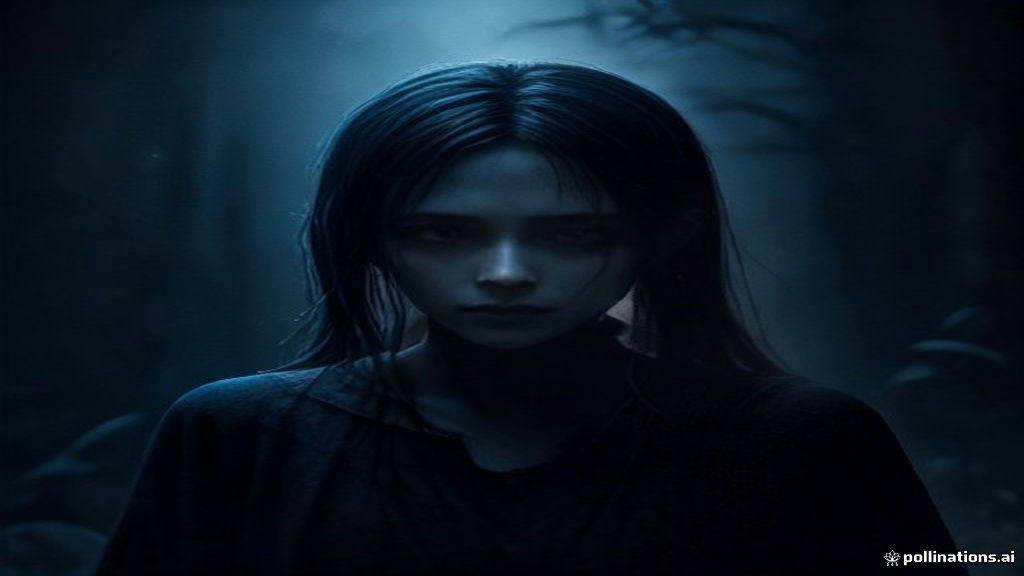
Tenebris Somnia arrives on the digital shelves with a bold promise: to fuse the grainy charm of 2‑D retro horror with the visceral shock of live‑action footage. In an era where indie developers constantly search for a fresh hook, this title stands out by literally putting actors in front of a pixel‑styled world, letting the line between game and film blur in unsettling ways. The result is a chilling, atmospheric experience that feels both nostalgic and startlingly new, and it’s already available for purchase at launch—no waiting for a “early access” window or a delayed price drop.
What Happened
When the developers of Tenebris Somnia announced the game’s release date, the community buzzed with curiosity. The teaser trailer, released just weeks before launch, showcased a stark 8‑bit corridor that suddenly dissolved into a dimly lit hallway filmed with real actors, their faces twisted in terror. The juxtaposition was jarring, and the reaction was immediate: fans of classic horror games and aficionados of interactive cinema both expressed excitement, while skeptics questioned whether the live‑action inserts would feel like a gimmick or a genuine enhancement.
On launch day, the game hit major platforms—Steam, Epic Games Store, and the console storefronts—priced competitively at $19.99. Early reviews praised its seamless transitions between pixel art and full‑motion video, noting that the live‑action segments are not merely cutscenes but integral parts of gameplay that require player interaction. The first wave of players reported that the tension spikes precisely when the visual style shifts, creating a rhythm of dread that keeps the heart pounding from start to finish.
Key Details
Tenebris Somnia’s core mechanic revolves around “Phase Shifts,” a system that lets players toggle between the 2‑D world and the live‑action realm at specific moments. These shifts are not optional; they are triggered by environmental cues—creaking doors, flickering lights, or the distant echo of a child's laugh. When the shift occurs, the screen blurs briefly before revealing a hyper‑realistic scene where actors perform the next segment of the narrative. Players must then solve puzzles or survive quick‑time events that are designed to feel as unsettling as the pixelated threats they left behind.
The game’s art direction is a love letter to the horror titles of the late 1990s, featuring limited palettes, static sprite animations, and deliberately low‑resolution textures. Yet, the live‑action footage is shot in 4K, with practical effects and minimal CGI, giving the horror moments a tangible, almost tactile quality. Sound design further bridges the two worlds: chiptune synths bleed into ambient recordings of creaking floorboards and whispered breaths, while a dynamic soundtrack shifts tempo based on the player’s current visual mode.
Background
The studio behind Tenebris Somnia, Nightshade Studios, began as a small team of pixel‑art enthusiasts who previously released a modestly successful indie platformer. After experimenting with short horror demos that combined sprite work with filmed actors, they realized they had stumbled upon a unique niche. Funding was secured through a combination of a modest Kickstarter campaign and a partnership with a boutique film production house that specialized in practical effects, allowing the developers to cast professional actors without blowing their budget.
Development took roughly two years, with the team splitting responsibilities between traditional game programming and film production. The “Phase Shift” engine was built from scratch to handle real‑time video playback without sacrificing performance on lower‑end hardware. This technical achievement meant that even players with older PCs could enjoy the seamless blend of media without noticeable lag, a factor that contributed heavily to the positive early reception.
Why It Matters
Tenebris Somnia pushes the boundaries of what indie horror can achieve, demonstrating that innovative storytelling can thrive without the massive budgets of AAA studios. By integrating live‑action footage directly into gameplay, the title challenges the conventional separation between cinematic horror and interactive terror, offering a fresh method to deliver jump scares and psychological dread. This hybrid approach may inspire other developers to explore mixed‑media formats, potentially revitalizing the horror genre with new artistic possibilities.
Furthermore, the game’s launch strategy—pricing it affordably and making it immediately available—signals a shift in how indie titles can succeed in a crowded market. Instead of relying on prolonged hype cycles or deep discount periods, Nightshade Studios opted for a straightforward, value‑driven release. The early sales numbers suggest that players are willing to invest in novel experiences, especially when the price point aligns with the perceived risk of a genre‑bending experiment.
What Happens Next
Following the launch, Nightshade Studios has outlined a roadmap that includes post‑release content focused on expanding the live‑action library. Planned DLC packs will introduce new “Phase Shift” scenarios, each with distinct settings—a decaying amusement park, an abandoned mental asylum, and a fog‑shrouded coastal lighthouse—all filmed with the same practical‑effects ethos. The studio also hinted at a community‑driven modding tool that will allow creators to craft their own 2‑D environments and sync them with custom video sequences, potentially turning Tenebris Somnia into a platform for horror storytelling.
From a broader industry perspective, the success of Tenebris Somnia may encourage publishers to fund more experimental indie projects that blend mediums. As streaming services and game platforms continue to converge, the line between interactive entertainment and traditional film is likely to blur further. Tenebris Somnia stands as an early, compelling example of that future—one where a pixelated monster can step off the screen and into the real world, delivering a scare that feels both nostalgic and startlingly immediate.
In summary, Tenebris Somnia’s daring marriage of 2‑D retro visuals with live‑action horror not only delivers a uniquely unsettling experience but also sets a precedent for innovative storytelling in indie games. Its launch at a modest price point, combined with strong technical execution and a clear post‑launch vision, makes it a must‑play for horror enthusiasts and a case study for developers seeking to push the medium’s boundaries. Whether you’re a fan of pixel art, a lover of practical effects, or simply someone who enjoys a good scare, Tenebris Somnia offers a fresh, chilling journey that proves horror games can still surprise—and frighten—when they dare to look beyond the familiar.
📖 See Also
📚 Sources & Attribution
- ✓ GameSpot News