Skip the Sky: Shooting Details When the Vista Fails
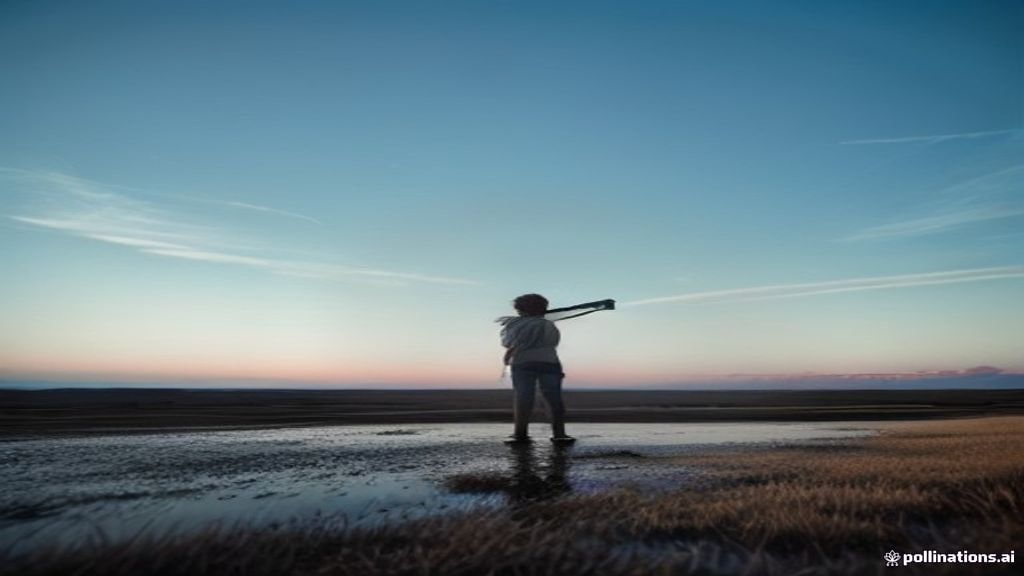
Skip the Sky: Shooting Details When the Vista Fails
Introduction
When the sky gives you nothing, the smartest move is to stop shooting it. An overcast, drizzly afternoon can feel like a dead end for a photographer who has planned a sky‑centric session, but the decision to pivot can unlock a whole new visual narrative. This article examines how a single choice—to abandon the uncooperative sky—transformed a bleak beach outing into a vibrant collection of images featuring red rocks, crystal‑clear rock pools, and sun‑kissed sand. By dissecting the moment, the details, and the broader implications, we’ll see why flexibility is a photographer’s most valuable tool.
What Happened
The photographer arrived at the coastal site with a clear agenda: capture dramatic cloud formations and the play of light across the horizon. Within minutes, a low‑lying fog bank rolled in, and a steady drizzle muted any chance of dramatic sky contrast. Rather than waiting for a break that never came, the photographer assessed the surroundings and identified three alternative subjects that were already present—vivid red sandstone outcrops, tide‑filled rock pools, and the warm, textured sand that stretched along the shoreline.
Choosing to “skip the sky,” the photographer re‑oriented the camera toward the shoreline’s geological features. The red rocks, illuminated by diffused light, revealed subtle color shifts that would have been lost under harsh sunlight. Meanwhile, the rock pools acted as natural mirrors, reflecting the muted sky and creating layered compositions. The golden sand, often overlooked, became a neutral canvas that highlighted the richer hues of the rocks and water. In less than an hour, the photographer had built a cohesive visual story that celebrated the beach’s hidden textures rather than its absent sky.
Key Details
Technical adjustments played a crucial role in the successful pivot. The photographer switched to a medium‑format lens (50mm) to capture intimate details of the rock surfaces, using a narrow aperture (f/11) to maximize depth of field and keep both foreground textures and distant pool reflections sharp. A low ISO (100) preserved the soft tonal range, while a slightly slower shutter speed (1/60 s) allowed the drizzle to add a delicate veil over the scene without causing motion blur. A polarizing filter was also employed to reduce surface glare on the water, enhancing the visibility of tiny marine life within the pools.
Compositionally, the photographer applied the rule of thirds to position the red rock formations along the left vertical line, letting the rock pools occupy the lower right quadrant. This arrangement created a natural flow from solid earth to fluid water, guiding the viewer’s eye across the frame. Additionally, the photographer experimented with low angles, shooting from waist height to emphasize the texture of the sand and the scale of the rocks, and high angles, crouching to capture the intricate patterns formed by ripples in the pools. These varied perspectives added depth and narrative richness to the final series.
Background
The beach in question is part of a coastal park renowned for its iron‑rich sandstone cliffs, which have oxidized over millennia to produce the striking red hue that contrasts sharply with the surrounding golden sand. These geological formations are a product of ancient sedimentary processes, and their exposure to sea spray creates a constantly evolving surface texture. The rock pools, formed by tidal action, serve as micro‑habitats for an array of marine organisms, from tiny crustaceans to colorful anemones, making them ideal subjects for macro‑style photography.
Historically, photographers have gravitated toward the dramatic sky when shooting this location, especially during sunrise or sunset when the cliffs catch the warm light. However, the region’s climate is notoriously changeable, with sudden fog and drizzle common in the late afternoon. Understanding this variability is essential for planning a shoot, as it informs both equipment choices and creative strategies. The photographer’s familiarity with the site’s geological and ecological characteristics enabled a swift, informed decision to shift focus when the sky failed to deliver.
Why It Matters
Adaptability is a core competency for any visual storyteller. By demonstrating that a compelling image set can emerge from unexpected conditions, this case study encourages photographers to view constraints as creative prompts rather than obstacles. It also underscores the importance of site‑specific knowledge; knowing the landscape’s secondary features—rock color, pool ecology, sand texture—provides a ready reservoir of subjects that can be leveraged when primary plans fall through.
Beyond the individual lesson, the images produced from this session contribute to a broader visual archive of the beach’s lesser‑celebrated elements. While dramatic sky shots dominate tourism brochures, close‑up studies of rocks and pools reveal the subtle beauty and ecological richness of the area. Such documentation can inspire conservation awareness and diversify the visual narrative associated with the location.
What Happens Next
Following the shoot, the photographer plans to curate a small exhibition titled “Beyond the Horizon,” featuring the rock‑centric series alongside a few rare sky shots captured on a later, clearer day. The exhibition will be accompanied by a talk on adaptive shooting techniques, aimed at both amateur and professional audiences. Additionally, the photographer intends to publish a tutorial that breaks down the technical settings used, offering a step‑by‑step guide for replicating the results in similar weather conditions.
On a longer horizon, the success of this pivot may influence future projects at the beach. The photographer is considering a dedicated macro series that explores the biodiversity within the rock pools throughout the seasons, using the same flexible mindset that turned a rainy afternoon into a creative breakthrough. By sharing the process and outcomes, the photographer hopes to inspire a community of creators who prioritize observation and adaptability over rigid adherence to a pre‑set agenda.
Conclusion
The decision to skip the sky and focus on the beach’s red rocks, rock pools, and golden sand transformed a seemingly failed session into a productive, visually compelling experience. Through thoughtful technical adjustments, informed composition, and a deep understanding of the local environment, the photographer turned adverse weather into an artistic advantage. This story reinforces that flexibility, site knowledge, and a willingness to explore secondary subjects are essential tools for any photographer seeking to capture the unexpected beauty that lies beyond the horizon.
📖 See Also
📚 Sources & Attribution
- ✓ Fstoppers