Petivity Launches Smart Feeder with New York Experience Feeding Shelter Cats
Introduction
Petivity, a technology venture backed by pet‑food giant Purina, has unveiled a groundbreaking Smart Feeder for cats that combines automated feeding with AI‑driven facial recognition. The device promises to give cat owners unprecedented insight into their pets’ eating patterns, weight trends, and overall health, while also offering a scalable solution for animal shelters that need to manage the nutrition of dozens of felines at once. The first public demonstration of the feeder took place in a New York City animal shelter, where it was used to feed a mixed‑age group of rescue cats, providing a real‑world test of the technology’s capabilities.
What Happened
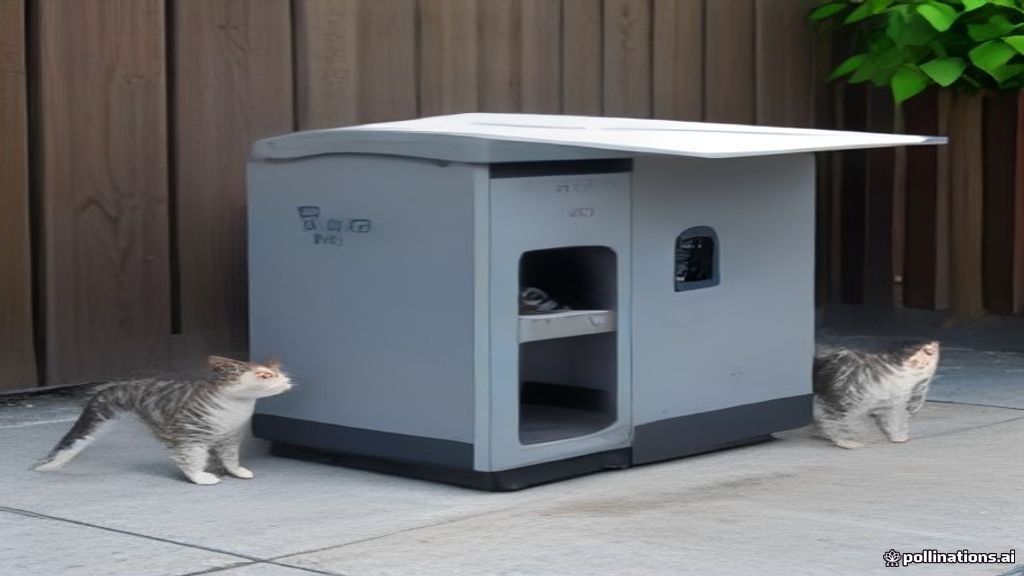
During a pilot program at the New York shelter, the Petivity Smart Feeder was installed in a dedicated feeding area and connected to the shelter’s Wi‑Fi network. Each time a cat approached the feeder, an integrated camera captured a high‑resolution image, and the onboard AI compared the face to a database of stored profiles, instantly identifying the animal. Once recognized, the feeder dispensed a pre‑programmed portion of food tailored to that cat’s dietary needs, logging the event in a cloud‑based dashboard that staff could access from any device.
The trial ran for three weeks, during which the system recorded over 2,500 feeding events across 27 cats. Shelter staff reported that the feeder’s ability to differentiate between individuals eliminated the guesswork that often accompanies communal feeding stations, where dominant cats can monopolize resources and weaker cats may go unfed. Moreover, the real‑time alerts—such as missed meals or sudden changes in intake—prompted early veterinary checks, catching a developing dental issue in one cat before it became severe.
Petivity’s representatives highlighted the positive feedback from both the shelter’s veterinary team and the volunteers, noting that the technology not only streamlined daily routines but also fostered a deeper connection between caregivers and the animals they serve. The successful New York rollout set the stage for broader adoption in other shelters and eventually in private homes.
Key Details
The Smart Feeder’s core hardware includes a 12‑inch HD camera, a precision dispensing mechanism capable of delivering kibble in increments as small as 0.5 grams, and a rechargeable battery that provides up to 48 hours of operation during power outages. The device syncs with the Petivity mobile app, where owners can set multiple feeding schedules, adjust portion sizes, and view detailed analytics such as daily calorie intake, weight trends (when paired with a smart scale), and activity logs.
On the software side, the AI model was trained on thousands of feline facial images to achieve a recognition accuracy of 96 % under varied lighting conditions. The system also employs edge computing, meaning the image processing occurs locally on the feeder, preserving privacy and reducing latency. All data is encrypted in transit and stored on secure servers, complying with GDPR and CCPA standards.
Beyond feeding, the feeder can integrate with other smart‑home devices. For example, it can trigger a smart water fountain to refill when a cat’s water consumption drops, or send a notification to a pet‑monitoring camera to check on a cat that has missed multiple meals. The platform’s open API allows third‑party developers to create custom health‑tracking modules, such as medication reminders or behavior‑analysis tools.
Background
Petivity was founded in 2021 with the mission of leveraging artificial intelligence to solve everyday challenges faced by pet owners and animal welfare organizations. Backed by Purina’s extensive research in nutrition and animal health, the company has access to a wealth of scientific data that informs its product development. The Smart Feeder represents the culmination of two years of iterative design, user testing, and collaboration with veterinary experts.
The decision to partner with a New York shelter for the launch was strategic. Urban shelters often grapple with limited staffing and high animal turnover, making efficient feeding solutions critical. By demonstrating the feeder’s impact in such a demanding environment, Petivity aimed to prove that the technology could scale from boutique homes to high‑volume facilities, addressing a gap that traditional automatic feeders have struggled to fill.
Why It Matters
For individual cat owners, the Smart Feeder offers a proactive health‑management tool. Early detection of changes in eating behavior is a key indicator of medical issues ranging from hyperthyroidism to kidney disease. By alerting owners to subtle deviations, the feeder empowers them to seek veterinary care sooner, potentially extending a cat’s lifespan and improving quality of life.
In the shelter context, the technology can transform nutrition management, a cornerstone of animal welfare. Accurate feeding reduces waste, ensures each cat receives the appropriate caloric intake, and helps maintain optimal body condition scores—factors that directly influence adoption rates. Moreover, the data collected can contribute to research on feline health trends in shelter populations, informing best practices across the industry.
What Happens Next
Following the New York pilot, Petivity plans a phased rollout to additional shelters across the United States, beginning with partner organizations in California and Texas. The company is also preparing a consumer launch slated for early 2027, with pre‑orders opening on its website and select pet‑retail partners. Early adopters will receive a bundled package that includes a smart water bowl and a subscription to Petivity’s health‑insights service, which provides monthly reports and personalized nutrition recommendations.
Looking ahead, Petivity is investing in further AI enhancements, such as emotion detection through facial micro‑expressions and integration with wearable health monitors. The long‑term vision includes a fully connected ecosystem where feeding data, activity tracking, and veterinary records converge to create a holistic health profile for every cat, whether living in a home or a shelter.
Conclusion
The Petivity Smart Feeder marks a significant leap forward in pet‑care technology, marrying precise nutrition delivery with sophisticated AI that recognizes each cat individually. Its successful debut in a New York shelter demonstrates tangible benefits for animal welfare, from improved feeding equity to early health alerts. As the device moves toward broader market availability, it promises to equip cat owners and shelters alike with the tools needed to monitor, understand, and enhance feline well‑being, ushering in a new era of data‑driven pet care.
📖 See Also
📚 Sources & Attribution
- ✓ Pet Age