Manufacture vs. Construct
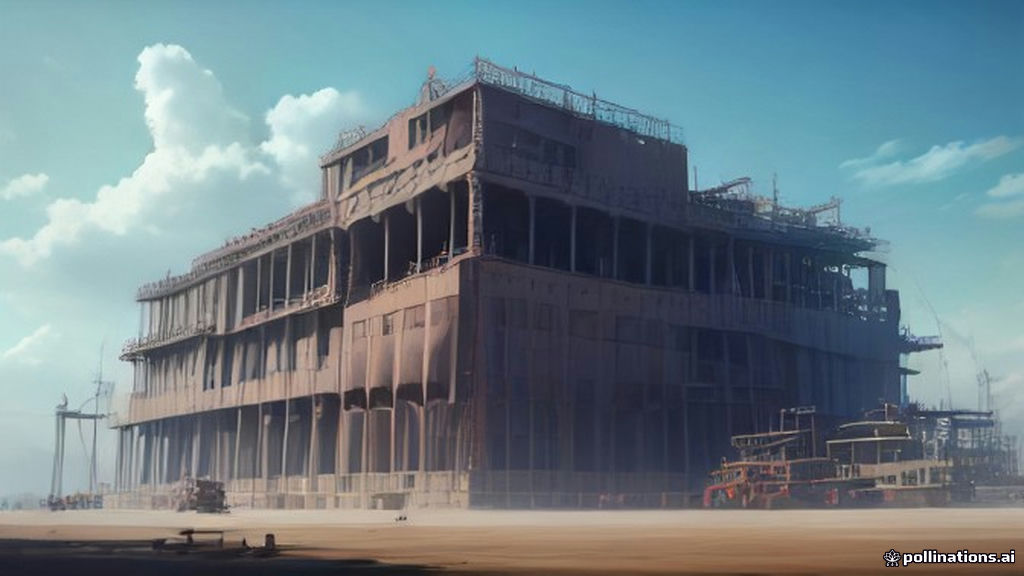
Understanding the difference between “manufacture” and “construct” is more than a semantic exercise; it reveals how societies organize labor, capital, and technology. While the two verbs are often used interchangeably, each describes a distinct mode of creation—one that builds a single, site‑specific entity, and another that repeats identical units in a controlled environment. Recognizing this split helps engineers, policymakers, and business leaders make better decisions about where to invest resources and how to manage risk.
What Happened
In recent years, a growing number of infrastructure projects have adopted hybrid approaches that blend construction techniques with manufacturing processes. For example, modular housing units are fabricated in factories, then shipped to a building site where they are assembled like a traditional construction project. This shift has been driven by labor shortages, tighter project timelines, and a desire for higher quality control.
Simultaneously, large‑scale manufacturers have begun to experiment with on‑site assembly lines for temporary structures such as event arenas and disaster‑relief shelters. By treating the construction site as an extension of the factory floor, they can apply lean‑manufacturing principles—standardized parts, just‑in‑time delivery, and continuous improvement—to projects that were once purely artisanal.
Key Details
Construction remains a “one‑off” endeavor: each bridge, school, or house is designed for its specific location, taking into account local geology, climate, and community needs. The process is project‑based, often involving a unique set of contractors, permits, and on‑site decision‑making. Because each build is singular, costs can vary widely, and economies of scale are limited.
Manufacturing, by contrast, thrives on repetition. A car factory produces thousands of identical vehicles under tightly regulated conditions, allowing for cost reductions through bulk purchasing, automation, and refined workflows. When a product line reaches maturity, incremental improvements can be implemented without redesigning the entire system, leading to ever‑lower unit costs.
Background
The divergence between construction and manufacturing dates back to the Industrial Revolution, when mechanized production first enabled the mass creation of standardized components. Yet, the built environment continued to rely on site‑specific craftsmanship because buildings must adapt to their surroundings. Over the past century, advances in prefabrication and digital design have begun to blur these boundaries.
Today’s digital tools—building information modeling (BIM), 3D printing, and robotics—allow designers to create detailed, data‑rich models that can be directly translated into factory‑produced components. This convergence is reshaping the labor market, demanding new skill sets that blend traditional construction knowledge with manufacturing expertise.
Why It Matters
From an economic perspective, distinguishing between manufacture and construct influences how risk is allocated and how financing is structured. Projects that lean toward manufacturing can attract investors seeking predictable, repeatable returns, while pure construction projects often depend on public funding and are subject to political uncertainty. Understanding the distinction helps stakeholders align expectations and mitigate cost overruns.
Environmental considerations also hinge on this split. Manufacturing enables material efficiency through precise cutting, waste recycling, and energy‑saving processes, reducing the carbon footprint per unit. Conversely, on‑site construction can generate significant waste and emissions, especially when projects are delayed or altered mid‑stream. Integrating manufacturing methods can therefore support sustainability goals.
What Happens Next
Industry analysts predict that the next decade will see a surge in “factory‑built” infrastructure, where large components—such as bridge spans, school classrooms, or hospital wards—are produced off‑site and assembled quickly on location. This model promises faster delivery, higher quality, and lower lifecycle costs, especially in regions facing rapid urbanization.
However, the transition will require new regulatory frameworks, supply‑chain coordination, and workforce training. Governments will need to update building codes to accommodate prefabricated elements, while educational institutions must prepare a generation of workers fluent in both construction management and advanced manufacturing techniques.
In conclusion, while “manufacture” and “construct” share a linguistic root, they represent fundamentally different pathways to creating the built world. Recognizing when to apply each approach—and how to blend them—will be critical for delivering resilient, affordable, and sustainable infrastructure in the years ahead.
📖 See Also
📚 Sources & Attribution
- ✓ Union Square Ventures