Japan’s Tokuyama opens polysilicon factory in Vietnam
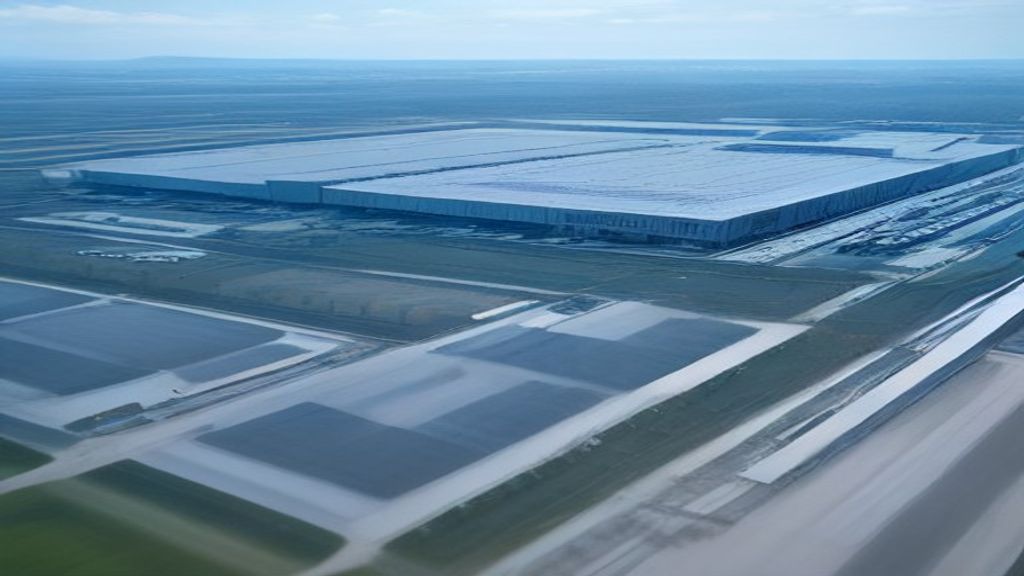
Japan’s Tokuyama Corporation has officially opened a new polysilicon manufacturing plant in Ho Chi Minh City, Vietnam, a move that underscores the company’s ambition to secure a stronger foothold in the fast‑growing semiconductor supply chain of Southeast Asia. The facility will produce high‑purity polysilicon, a foundational material for silicon wafers used in everything from smartphones to electric‑vehicle power modules, and will also serve as a regional distribution hub for Tokuyama’s customers.
What Happened
On a sunny morning in early June, Tokuyama held a ribbon‑cutting ceremony attended by senior executives from the Japanese parent company, Vietnamese government officials, and representatives of local industry associations. The event marked the culmination of a two‑year planning and construction phase that saw the installation of cutting‑edge Siemens‑type reactors, advanced gas‑handling systems, and a clean‑room environment designed to meet the sub‑10‑ppm impurity standards demanded by today’s leading semiconductor fabs.
The launch comes at a time when global demand for polysilicon is projected to rise at a compound annual growth rate of roughly 12 % through 2030, driven by the rollout of 5G networks, the expansion of artificial‑intelligence workloads, and the accelerating adoption of renewable‑energy technologies that also rely on silicon‑based components. By situating production in Vietnam, Tokuyama aims to shorten lead times for its Asian customers, reduce logistics costs, and mitigate the geopolitical risks associated with relying on a limited number of traditional polysilicon sources in China and the United States.
Key Details
The Ho Chi Minh City plant occupies a 12,000‑square‑meter site in the Saigon Hi‑Tech Park, a government‑designated zone that offers tax holidays, reduced land‑lease rates, and streamlined customs procedures for high‑tech manufacturers. The factory’s initial production capacity is slated at 5,000 metric tons of polysilicon per year, with plans to scale up to 12,000 tons within the next three years as demand materialises and additional investment is secured.
Tokuyama has equipped the facility with a proprietary “Ultra‑Pure” process that combines trichlorosilane (TCS) reduction with a multi‑stage purification train, delivering polysilicon of 99.9999 % purity. The plant also incorporates a closed‑loop water‑recycling system that reduces freshwater consumption by 40 % compared with older plants, aligning with Vietnam’s national sustainability goals and Tokuyama’s own environmental‑management commitments.
Background
Founded in 1918, Tokuyama has built a reputation as a global leader in specialty chemicals, electronic materials, and advanced ceramics. The company entered the polysilicon market in the 1970s and has since supplied material to major semiconductor manufacturers in Japan, South Korea, and the United States. Over the past decade, Tokuyama has diversified its geographic footprint, establishing production sites in the United States, Brazil, and recently, Vietnam, to better serve a worldwide customer base.
Vietnam, meanwhile, has emerged as a magnet for high‑tech investment thanks to its young, technically skilled labor force, competitive labor costs, and a series of government incentives aimed at fostering a “digital economy.” The country’s semiconductor ecosystem is still nascent, but the establishment of a domestic polysilicon source is a critical step toward building a more self‑sufficient supply chain that could eventually support wafer‑fab construction and other downstream activities.
Why It Matters
From an industry perspective, the new Tokuyama plant reduces the reliance of Asian semiconductor manufacturers on a handful of polysilicon exporters, thereby enhancing supply‑chain resilience—a priority highlighted after the COVID‑19 pandemic and recent trade tensions disrupted material flows. Localized production also enables faster response to sudden spikes in demand, such as those triggered by new chip designs or unexpected capacity shortages at major fabs.
For Vietnam, the factory represents a tangible step toward becoming a regional hub for advanced electronics manufacturing. The plant will create an estimated 300 direct jobs and generate additional employment in supporting services, from logistics to equipment maintenance. Moreover, the technology transfer associated with operating a high‑purity polysilicon line will help develop local expertise in process engineering, quality control, and environmental management.
What Happens Next
In the immediate term, Tokuyama will focus on ramping up production while obtaining the necessary certifications from the International Organization for Standardization (ISO) and the Semiconductor Equipment and Materials International (SEMI) to assure customers of product quality. The company also plans to launch a dedicated sales and technical support team in Ho Chi Minh City to provide on‑site assistance, training, and rapid troubleshooting for its regional clientele.
Looking ahead, Tokuyama is exploring partnerships with Vietnamese universities and research institutes to foster joint R&D projects on next‑generation silicon materials, such as silicon‑on‑insulator (SOI) wafers and advanced photovoltaic substrates. If successful, these collaborations could position Vietnam not only as a manufacturing base but also as an innovation hub, attracting further foreign direct investment and accelerating the country’s transition to a knowledge‑based economy.
Conclusion
The inauguration of Tokuyama’s polysilicon factory in Vietnam is more than a corporate expansion; it is a strategic response to the evolving dynamics of the global semiconductor market and a catalyst for Vietnam’s ambition to become a high‑tech manufacturing powerhouse. By delivering high‑purity polysilicon locally, Tokuyama helps secure a more stable supply chain for its customers while contributing to the economic development and technological advancement of its host nation. As the plant scales up and integrates further into the regional ecosystem, its impact is likely to reverberate across the entire semiconductor value chain, shaping the future of electronics production in Southeast Asia.
📖 See Also
📚 Sources & Attribution
- ✓ PV Magazine