Indonesia haze: why Jakarta won’t declare wildfires a national disaster
Indonesia haze: why Jakarta won’t declare wildfires a national disaster
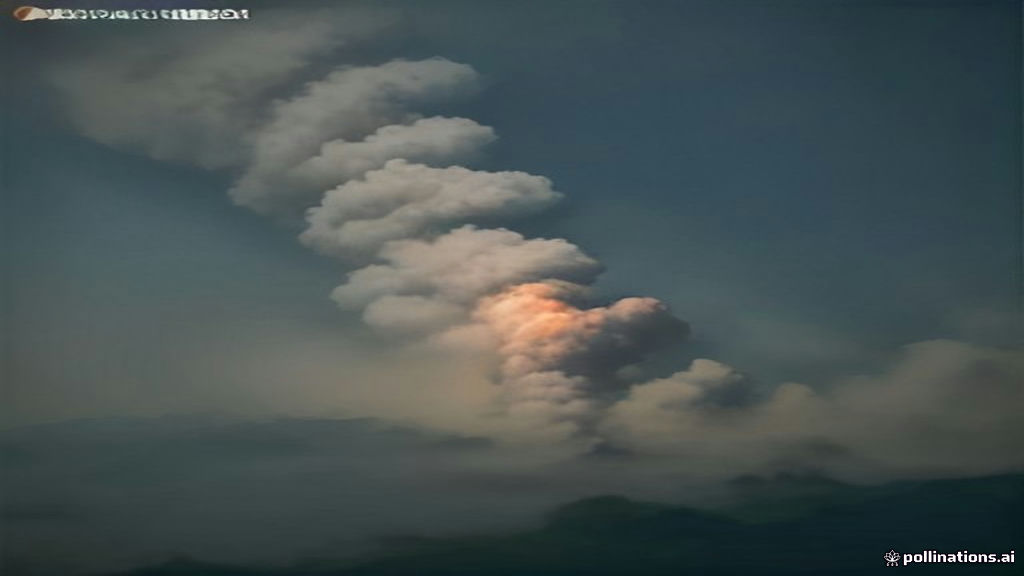
Every year, thick plumes of smoke drift from the islands of Sumatra and Kalimantan, choking the capital Jakarta and spilling into neighboring countries. This year’s fire season has been especially severe, with satellite data showing more than 1.2 million hectares of forest and peatland ablaze. Yet, despite mounting pressure from health experts, civil society, and the international community, the Indonesian government has refused to label the crisis a “national disaster.” The decision has sparked a heated debate over the balance between political calculus, fiscal priorities, and the urgent need for a coordinated response.
What Happened
In August 2024, the Ministry of Environment and Forestry reported that uncontrolled fires had burned across 1.2 million hectares, a figure that eclipses the combined area affected in the previous two years. The fires, primarily ignited for land‑clearing purposes by plantation companies and small‑scale farmers, quickly spread to peatlands—highly combustible carbon stores that release massive amounts of smoke when ignited. By mid‑September, the Air Quality Index (AQI) in Jakarta consistently registered “hazardous” levels, prompting schools to close and hospitals to see a surge in respiratory admissions.
Public outcry grew as the haze lingered. Residents posted videos of black skies on social media, while NGOs such as Greenpeace Indonesia and the Indonesian Forum for the Environment (WALHI) called for an emergency declaration that would unlock additional funding and streamline inter‑agency coordination. Neighboring Malaysia and Singapore, also suffering from the trans‑boundary haze, lodged diplomatic notes urging Jakarta to act decisively.
Key Details
The government’s response has been a mix of localized firefighting efforts and a reluctance to elevate the situation to the level of a national disaster. The National Disaster Management Agency (BNPB) deployed over 5,000 troops, 150 fire‑fighting aircraft, and a fleet of water bombers to the most affected provinces. However, these resources are stretched thin, and many experts argue that the scale of the crisis exceeds the capacity of a single agency.
Financially, a national disaster declaration would trigger the release of the Disaster Relief Fund (DRF), a pool of roughly US$1.5 billion earmarked for large‑scale emergencies. Critics warn that the government fears the declaration could force a reallocation of funds away from other priority projects, such as infrastructure development and poverty alleviation programs. Moreover, a disaster status would obligate Jakarta to comply with stricter reporting standards and potentially open the door for international aid, which the administration has historically been cautious about accepting.
Background
Indonesia’s fire problem is rooted in a complex web of land‑use policies, economic incentives, and weak law enforcement. Peatlands, which cover about 20 percent of the country’s land area, are especially vulnerable because they store up to 10 times more carbon than tropical forests. When drained for agriculture or oil palm plantations, peat becomes highly flammable. Despite a 2014 moratorium on new peatland development, enforcement has been uneven, and illegal clearing persists, often with tacit support from local officials seeking short‑term revenue.
Historically, the Indonesian government has declared a national disaster only in the most extreme cases—such as the 2004 tsunami or the 2018 Lombok earthquake. The threshold for such a declaration involves not only the magnitude of the event but also political considerations, including the potential impact on the national budget and the desire to maintain a narrative of self‑sufficiency. In the case of the haze, the administration appears to be weighing the reputational cost of admitting a lack of control against the practical benefits of additional resources.
Why It Matters
The reluctance to declare a national disaster has direct consequences for public health. The World Health Organization estimates that each day of severe haze can cause up to 2,000 premature deaths in Indonesia alone, primarily from cardiovascular and respiratory conditions. Children, the elderly, and low‑income communities—who often lack access to air‑purifying masks or indoor filtration—are disproportionately affected. Without a disaster declaration, funding for emergency health clinics, distribution of N‑95 masks, and public awareness campaigns remains limited.
Beyond health, the haze threatens Indonesia’s international standing and economic interests. The country’s export markets, especially in Europe and the United States, are increasingly scrutinizing the environmental footprint of commodities like palm oil and pulp. A failure to address the fire crisis could lead to trade restrictions, loss of investor confidence, and heightened diplomatic tension with neighboring states that bear the brunt of the smoke. Moreover, the environmental cost—massive carbon emissions and loss of biodiversity—undermines Indonesia’s commitments under the Paris Agreement.
What Happens Next
In the coming weeks, pressure is expected to intensify. Parliament’s Commission I, which oversees disaster management, is scheduled to hold a hearing where NGOs, health professionals, and affected community leaders will testify. Some lawmakers have already drafted a motion urging the president to issue a formal disaster decree, arguing that the legal framework would allow faster procurement of equipment, mobilization of the armed forces, and access to international assistance.
Simultaneously, the government is quietly expanding its firefighting capacity. The Ministry of Agriculture announced a partnership with private sector firms to develop satellite‑based early‑warning systems, while the Ministry of Finance is reviewing the possibility of a supplemental budget line for fire mitigation. Whether these measures will be enough to curb the current blazes—or merely serve as a stopgap until the smoke clears—remains to be seen.
Conclusion
📖 See Also
📚 Sources & Attribution
- ✓ SCMP News