India clears $22bn defence acquisition plans with 82% local sourcing
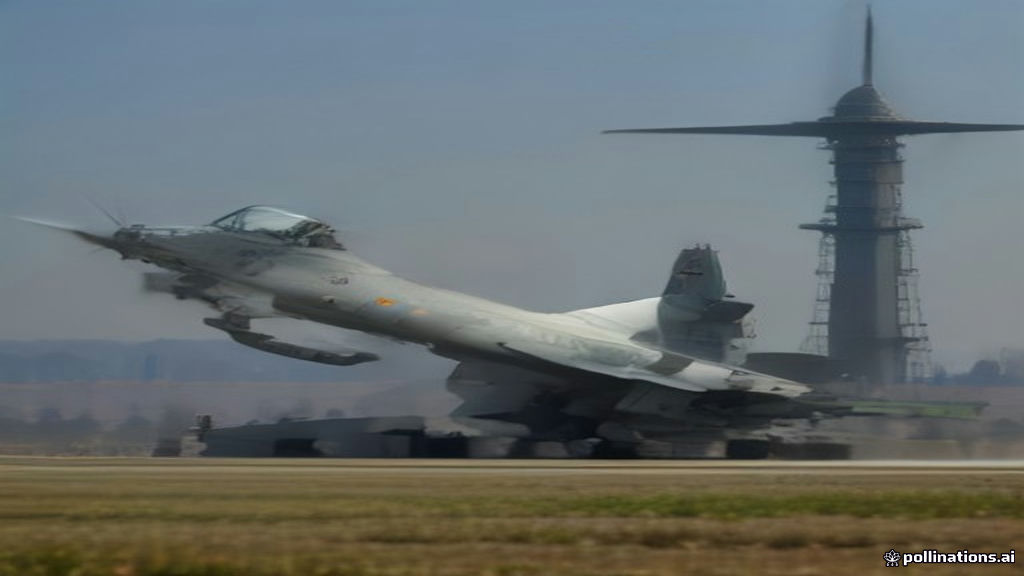
India’s Defence Acquisition Council (DAC) has given the green light to a massive procurement package worth roughly Rs 2.12 trillion (about $22.3 billion). The approval, known as Acceptance of Necessity (AoN), covers a wide range of new equipment and platforms for the Army, Navy and Air Force, and is notable for its strong emphasis on domestic production – 82 percent of the total spend is slated to come from Indian manufacturers. The move signals a decisive push toward self‑reliance in defence, a cornerstone of the government’s “Atmanirbhar Bharat” agenda, while also aiming to modernise the armed forces across all three services.
📊 Key Facts At A Glance
- → 29bn), covering equipment and platforms for the Army, Navy and Air Force
What Happened
The DAC, chaired by the Defence Minister, convened in early October and formally accepted the necessity of a series of capital procurement proposals that together total Rs 2.12 trillion. The proposals include new fighter jets, maritime patrol aircraft, submarines, artillery systems, armoured vehicles, and advanced communications and surveillance gear. By granting AoN, the council has cleared the way for the Ministry of Defence to sign contracts, allocate funds, and begin the detailed execution phase.
Crucially, the procurement plan embeds a “Make‑in‑India” clause that requires at least 82 percent of the value to be sourced from Indian firms. This is achieved through a mix of direct purchases from domestic defence companies, joint ventures with foreign OEMs, and technology‑transfer arrangements that will enable local production and, eventually, export capability.
Key Details
The package is split roughly equally among the three services. The Army will receive 70 new main battle tanks, 300 self‑propelled howitzers, and a fleet of unmanned ground vehicles. The Navy’s share includes two new stealth frigates, three conventional‑diesel submarines equipped with air‑independent propulsion, and a set of maritime patrol aircraft. The Air Force is slated to acquire 114 fighter jets – a combination of domestically produced Tejas Mk 1A and imported platforms that will be assembled locally – along with advanced air‑defence missile systems and a network‑centric command‑and‑control suite.
Financially, the plan earmarks Rs 1.74 trillion for indigenous production, while Rs 380 billion is allocated for foreign procurement that will be assembled or integrated in India. The Defence Public Sector Undertakings (DPSUs) such as Hindustan Aeronautics Limited (HAL), Bharat Electronics Limited (BEL) and Mazagon Dock Shipbuilders Limited (MDL) are expected to play leading roles, supported by private sector partners like Tata Advanced Systems, Larsen & Toubro, and Mahindra Defence.
Background
India’s defence spending has been on an upward trajectory for the past decade, driven by a strategic environment that includes a rising China, persistent border tensions with Pakistan, and a need to protect maritime interests in the Indian Ocean Region. The “Make‑in‑India” policy, launched in 2014, has gradually shifted the procurement paradigm from a heavy reliance on imports to a focus on domestic capability building. Earlier initiatives such as the Strategic Partnership Model and the recent Defence Procurement Policy (2023) have laid the groundwork for greater private sector participation and technology transfer.
Previously, the DAC had approved several high‑value deals, but many of them were marred by delays, cost overruns, and limited indigenisation. The current plan represents a more integrated approach, aligning budgetary approvals with a clear localisation target. It also follows the successful induction of the indigenous Tejas fighter and the indigenous aircraft carrier INS Vikramaditya’s refit, both of which demonstrated that Indian shipyards and aerospace firms can meet complex defence requirements when given sustained support.
Why It Matters
First, the scale of the investment – $22 billion – is one of the largest single‑year defence outlays in India’s history. It will not only upgrade the combat readiness of the three services but also create a ripple effect across the broader industrial base, generating thousands of high‑skill jobs and fostering a supply chain that could serve export markets. The emphasis on local sourcing is expected to reduce dependence on foreign vendors, improve strategic autonomy, and lower long‑term life‑cycle costs through domestic maintenance and upgrades.
Second, the procurement plan strengthens India’s geopolitical standing. A modern, indigenously equipped military enhances the country’s credibility as a regional security partner, potentially opening doors for deeper defence cooperation with allies such as the United States, Japan, and Australia. Moreover, by showcasing a robust domestic defence ecosystem, India can position itself as a hub for co‑development projects, attracting foreign investment and joint‑venture opportunities that align with its strategic interests.
What Happens Next
Following the AoN, the Ministry of Defence will issue detailed Request for Proposals (RFPs) to qualified Indian and foreign firms. These RFPs will outline technical specifications, delivery schedules, and the exact localisation requirements. Procurement contracts are expected to be signed within the next three to six months, after which production and assembly lines will be ramped up. The DAC will monitor progress through quarterly reviews, ensuring that milestones are met and that any bottlenecks in the supply chain are swiftly addressed.
In parallel, the government will likely accelerate policy reforms to smooth the path for private sector participation, such as simplifying export‑control clearances, offering tax incentives for R&D, and strengthening intellectual‑property protection. Stakeholders anticipate that the first batch of indigenously built platforms could be operational by 2029, with full delivery of the entire package targeted for 2032. This timeline aligns with India’s broader defence modernisation roadmap, which aims to achieve a 2.5 percent GDP defence spend by 2027.
Overall, the DAC’s approval marks a decisive step toward a more self‑reliant, technologically advanced Indian defence establishment. By marrying a massive financial commitment with a clear localisation mandate, the plan seeks to transform India from a major importer of military hardware into a competitive producer and exporter, reshaping the strategic balance in South Asia and beyond.
📖 See Also
📚 Sources & Attribution
- ✓ Army Technology