Inadequate safety monitoring suspected over fatal train accident
Introduction
The fatal collision at Shin‑Kanuma Station on Tobu Railway’s Nikko Line has shocked Japan’s rail community. Occurring at about 10:45 a.m. on August 20, the accident claimed the lives of four maintenance workers and has quickly become a focal point for criticism of the railway’s safety monitoring practices. As investigators begin to piece together what went wrong, the incident raises urgent questions about how rail operators protect both their employees and the traveling public.
What Happened
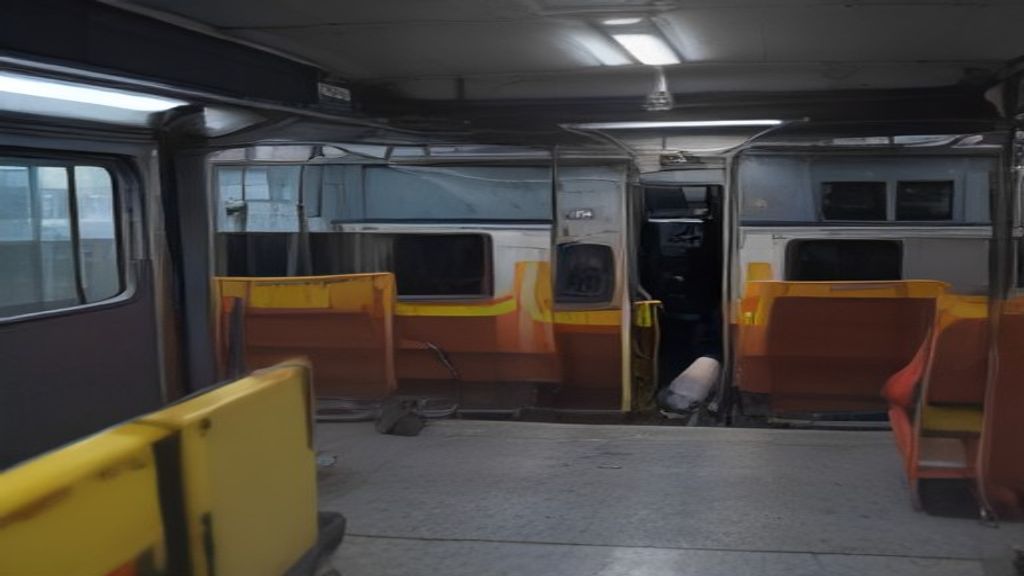
At roughly 10:45 a.m., a local train bound for Nikko entered Shin‑Kanuma Station while a crew of subcontracted workers was performing routine maintenance on the tracks. The workers were positioned on a section of the line that, under normal procedures, should have been cleared and protected by a temporary block or warning system. The train, however, failed to stop in time and struck the crew, killing four men on the spot and injuring several others who were rushed to nearby hospitals.
Preliminary eyewitness accounts suggest that the train’s driver may not have been alerted to the presence of workers, and that the standard “track possession” protocol—used to isolate a section of rail for work—might not have been fully implemented. While the exact sequence of events remains under investigation, early reports point to a possible breakdown in communication between the railway’s operations center, the maintenance subcontractor, and the train crew.
Key Details
The Nikko Line, a 94‑kilometre route linking Tokyo’s Asakusa district with the historic city of Nikko, is operated by Tobu Railway, one of Japan’s largest private rail companies. Shin‑Kanuma Station is a modest stop in Tochigi Prefecture, typically handling a few hundred passengers daily. On the day of the accident, a four‑car local train was scheduled to make a routine stop before continuing northward.
The four victims were employees of a subcontractor hired by Tobu Railway to conduct track inspections and minor repairs. Their identities have not been released pending notification of families. The train involved was equipped with a modern automatic train control (ATC) system, yet the system’s safety interlocks appear to have been overridden or disabled for the maintenance window, a practice that is permissible only under strict procedural safeguards.
Background
Japan’s rail network is internationally renowned for its safety record, with accident rates far lower than those of many other developed nations. Tobu Railway, in particular, has maintained a strong safety reputation since its founding in 1897. Nevertheless, the industry has faced periodic scrutiny after high‑profile incidents, such as the 2019 derailment on the Hokuriku Shinkansen caused by excessive speed, and a 2022 collision on a commuter line in Osaka that highlighted gaps in worker protection.
Safety monitoring on Japanese railways typically relies on a combination of real‑time signalling, rigorous scheduling of maintenance windows, and mandatory “track possession” authorizations that physically block train movements while work is underway. In recent years, the adoption of digital monitoring tools—such as GPS‑based crew tracking and automated warning alerts—has been encouraged to further reduce human error.
Why It Matters
If the investigation confirms that inadequate safety monitoring contributed to the Shin‑Kanuma tragedy, it could trigger a sweeping review of maintenance protocols across the nation’s rail operators. Such a review would likely focus on the enforcement of block permissions, the reliability of communication channels between dispatchers and field crews, and the integrity of ATC overrides during work periods.
Beyond regulatory implications, the accident underscores the vulnerability of the often‑overlooked workforce that keeps Japan’s railways running smoothly. Maintenance crews regularly operate in hazardous environments, and any lapse in protective measures not only endangers lives but also erodes public confidence in a system that many consider a national pride.
What Happens Next
The Ministry of Land, Infrastructure, Transport and Tourism (MLIT) has launched a formal investigation, dispatching a team of railway safety experts to examine the train’s black‑box data, interview surviving crew members, and audit the subcontractor’s safety procedures. Tobu Railway has pledged full cooperation and has temporarily suspended all maintenance activities on the Nikko Line pending the outcome of the inquiry.
Depending on the findings, authorities may impose fines, mandate corrective actions, or even require structural changes to how track possession is managed. Industry groups have already called for a review of the legal framework governing subcontracted work, arguing that clearer accountability could prevent similar tragedies in the future.
Conclusion
The Shin‑Kanuma accident serves as a stark reminder that even the world’s safest rail systems are only as strong as their safety monitoring and communication practices. As investigators work to uncover the precise causes, the incident highlights the need for rigorous oversight, especially when third‑party contractors are involved. Ensuring that every worker—whether on the platform or behind the controls—is protected must remain the top priority for Tobu Railway, regulators, and the broader Japanese rail industry.
📖 See Also
📚 Sources & Attribution
- ✓ Japan Times News