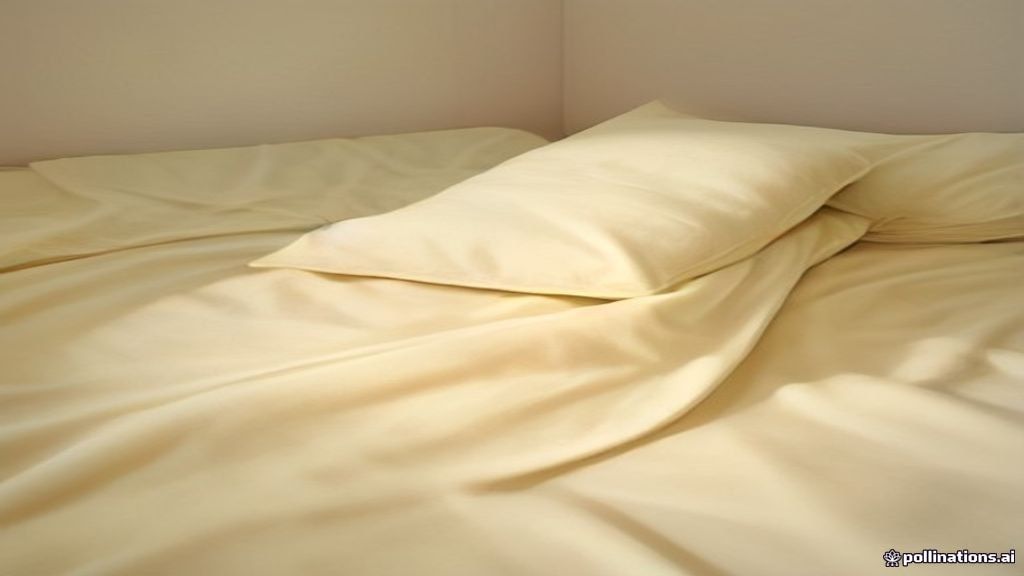
I turned my yellowed bed sheets bright white again in one wash without using chlorine bleach
Introduction
When I first noticed the once‑crisp white sheets on my bed turning a dull, buttery yellow, I assumed the inevitable solution was a splash of chlorine bleach. After a quick online search, however, I discovered a gentler, two‑step soaking method that promised to lift stubborn sweat stains without the fabric‑damaging effects of chlorine. Intrigued, I decided to put the technique to the test. The result was astonishing: in a single wash cycle my sheets were restored to a bright, hotel‑quality white, and the entire process used only common, non‑toxic laundry aids. Below is a detailed account of how I achieved this transformation, why it works, and how you can replicate it in your own home.
What Happened
Over the course of several months, my nightly routine of warm showers and heavy blankets left a faint, yellowed film on the cotton sheets. Regular detergent washes failed to erase the discoloration, and the usual “add a splash of bleach” advice felt risky—chlorine can weaken fibers, cause yellowing over time, and release harsh fumes. Determined to avoid these pitfalls, I turned to a two‑step soak that combines an oxygen‑based booster with a high‑efficiency detergent. The first step involved a long soak in warm water mixed with a measured amount of OxiClean (or any sodium percarbonate‑based powder). After allowing the sheets to sit for several hours, I transferred them directly to the washing machine, set to a hot water cycle, and added Tide Oxi (or a similar enzyme‑rich detergent) along with a cup of white vinegar for extra brightening.
The transformation was immediate. When the cycle finished, the sheets emerged free of the yellow haze, their fibers feeling softer and looking as if they had just been laundered at a five‑star hotel. No chlorine smell lingered, and the fabric retained its strength, confirming that the method was both effective and fabric‑friendly.
Key Details
The success of the two‑step soak hinges on precise ratios and temperatures. For a standard queen‑size set (approximately 2.5 kg of fabric), I filled a large bathtub or basin with about 15 liters of warm water (around 40 °C/104 °F). I then added ½ cup (≈120 ml) of OxiClean powder, stirring until fully dissolved. The sheets were fully submerged and left to soak for 4–6 hours; this duration allows the oxygen‑based cleaner to break down the protein‑based sweat stains and oxidize the yellow pigments without harsh chemicals.
After soaking, I transferred the sheets to the washing machine, selecting the hottest water setting the fabric care label allowed (usually 60 °C/140 °F for cotton). I added 1 cup of Tide Oxi (or an equivalent enzyme detergent) and ½ cup of distilled white vinegar, which helps to set the brightening agents and neutralize any residual alkalinity. The wash ran a full cycle with an extra rinse to ensure no residue remained. For extra sparkle, I dried the sheets on a low‑heat setting or line‑dried them in direct sunlight, which naturally enhances whiteness.
Background
Yellowing of bed linens is a ubiquitous problem, especially for those who sweat heavily or use heavy blankets. The discoloration is primarily caused by a combination of sweat, body oils, and the mineral deposits from hard water, which together create a stubborn, yellow‑tinged film. Traditional chlorine bleach, while effective at whitening, reacts with these organic compounds to form chlorinated by‑products that can weaken cotton fibers, cause brittleness, and even create a faint, lingering odor. Moreover, repeated bleach use can lead to a phenomenon known as “bleach‑yellowing,” where the fabric actually becomes more yellow over time.
In recent years, the laundry industry has responded to consumer demand for safer, more sustainable cleaning solutions. Oxygen‑based boosters like OxiClean use sodium percarbonate, which releases hydrogen peroxide when dissolved in water. This mild oxidizer targets organic stains without the aggressive side effects of chlorine. Enzyme‑rich detergents, such as Tide Oxi, contain proteases and amylases that specifically break down protein‑based stains (like sweat) and starches, further enhancing the whitening effect. Together, these products offer a fabric‑friendly alternative that aligns with eco‑conscious practices.
Why It Matters
Beyond the aesthetic satisfaction of crisp, white sheets, there are practical health considerations. Yellowed linens can harbor bacteria, mold spores, and allergens that thrive in the warm, damp environment of a bed. By fully removing the discoloration and the underlying organic buildup, you reduce the risk of skin irritation and respiratory issues, especially for sensitive individuals or those with asthma. A clean, bright sleeping environment also contributes to better sleep hygiene, as visual cues of cleanliness can promote relaxation.
From an environmental perspective, substituting chlorine bleach with oxygen‑based cleaners reduces the release of toxic chlorinated compounds into wastewater. These compounds can be harmful to aquatic ecosystems and require additional treatment at water facilities. The two‑step soak also minimizes the need for multiple wash cycles, saving water and energy. Using warm (rather than boiling) water and a single, efficient wash cycle further cuts down on electricity consumption, making the method both eco‑friendly and cost‑effective.
What Happens Next
Having proven the method’s efficacy, I have incorporated the two‑step soak into my regular linen care routine. I now pre‑soak any sheets that show early signs of yellowing, typically every two to three weeks, and follow up with a hot wash using an enzyme detergent and a splash of vinegar. For everyday maintenance, a standard cold‑water wash with a mild detergent suffices, but I still add a half‑cup of baking soda to keep the water slightly alkaline and prevent future staining.
Looking ahead, I plan to experiment with natural brightening agents such as lemon juice or hydrogen peroxide diluted to a safe concentration, to see if they can further enhance the process without additional chemicals. I also intend to share this technique with friends, family, and online communities, encouraging a shift away from chlorine bleach toward more sustainable laundry habits. By documenting results and gathering feedback, I hope to refine the method and perhaps develop a quick‑reference guide for anyone looking to revive their whites safely.
Conclusion
The two‑step soak—using an oxygen‑based booster followed by a hot wash with an enzyme‑rich detergent and vinegar—proved to be a simple, affordable, and fabric‑friendly solution for restoring yellowed bed sheets to a brilliant white. This approach avoids the damaging effects of chlorine bleach, protects the integrity of the fabric, and aligns with environmentally responsible cleaning practices. Whether you’re battling stubborn sweat stains or simply want to keep your linens looking fresh, this method offers a reliable, repeatable process that delivers professional‑grade results in the comfort of your own home.
📖 See Also
📚 Sources & Attribution
- ✓ Tom's Guide