Hyrox is one of the world's fastest growing sports, can cycling learn from its success?
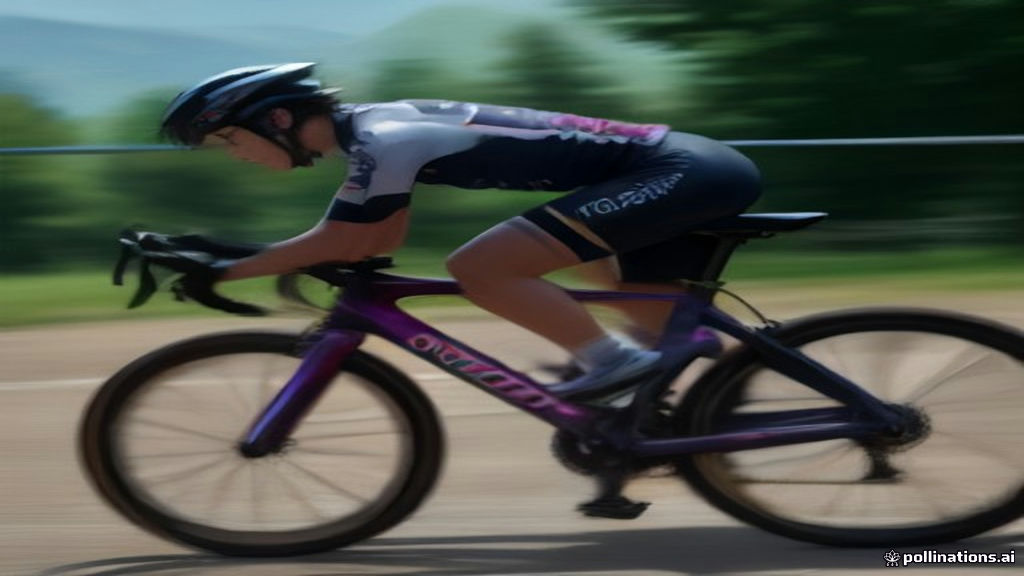
Hyrox, the hybrid fitness competition that blends running with functional‑strength stations, has exploded onto the global stage in just a few short years. From packed venues in Europe and North America to pop‑up events in Asia, thousands of athletes are signing up for the grueling “race‑day” format. At the same time, traditional road cycling clubs report dwindling membership and fewer first‑time riders. The contrast raises a provocative question: can the cycling world borrow strategies from Hyrox’s meteoric rise to revive its own appeal?
What Happened
Hyrox debuted in 2017 as a single‑day event that promised a clear, repeatable formula: eight 1‑kilometre runs interspersed with eight functional‑strength challenges such as sled pushes, rowing, and wall balls. The simplicity of the structure, combined with a measurable finish time, made it instantly understandable for both participants and spectators. Within three years, the brand expanded to over 100 locations worldwide, attracting amateur fitness enthusiasts, CrossFit athletes, and even elite runners seeking a new test of endurance.
Meanwhile, road cycling—once a staple of community sports programs—has seen a gradual decline in participation. Surveys from national cycling federations indicate a 12 % drop in club memberships over the past five years, and many urban bike shops report fewer new customers. Factors include perceived complexity of training plans, safety concerns on busy streets, and a lack of engaging, spectator‑friendly events that can draw casual interest.
Key Details
Hyrox’s growth is underpinned by three tactical pillars. First, the sport offers a standardized, time‑based scoring system that lets athletes compare results across locations, fostering a global leaderboard that fuels competition and community. Second, the events are held in indoor facilities—often repurposed gyms—ensuring consistent weather conditions and eliminating the logistical headaches of road closures or traffic. Third, Hyrox leverages a strong digital ecosystem: a dedicated app tracks performance, streams live results, and provides training modules tailored to each station, keeping participants engaged year‑round.
In contrast, cycling’s traditional model relies heavily on outdoor routes that vary dramatically in terrain, weather, and traffic, making it harder to create a uniform competitive experience. While professional races attract massive media coverage, grassroots events lack the same level of branding and data integration. Moreover, the sport’s equipment costs—high‑end bikes, helmets, and maintenance—pose a barrier for newcomers, whereas Hyrox’s entry fee covers all necessary gear for the day.
Background
The rise of Hyrox aligns with broader shifts in fitness culture. Millennials and Gen Z athletes increasingly favor “one‑stop‑shop” experiences that combine cardio, strength, and community in a single session. The pandemic accelerated this trend, as indoor facilities became safe havens for people seeking structured workouts without the need for extensive travel. Hyrox capitalized on this momentum by positioning itself as both a competitive sport and a social event, complete with post‑race celebrations and branded merchandise.
Cycling, historically celebrated for its health benefits and environmental impact, has struggled to adapt to these changing preferences. While bike‑share programs and e‑bikes have introduced new participants, they have not translated into sustained club involvement or competitive engagement. The sport’s reliance on long, solitary training sessions can feel isolating compared to the group‑oriented atmosphere that Hyrox cultivates.
Why It Matters
If cycling fails to address its declining participation, the repercussions extend beyond reduced membership fees. Local economies that depend on bike tours, race tourism, and related retail could suffer, and public health initiatives that promote active transportation may lose a key ally. Moreover, the sport’s cultural relevance could wane, making it harder to attract sponsorship and media attention in an increasingly crowded fitness marketplace.
Conversely, adopting elements of Hyrox’s formula could revitalize cycling’s grassroots appeal. By creating standardized, time‑based challenges—such as “kilometre sprint intervals” or “fixed‑gear obstacle courses”—clubs can offer measurable goals that resonate with data‑driven athletes. Indoor cycling studios equipped with virtual reality courses could replicate the controlled environment Hyrox enjoys, mitigating weather concerns and expanding access in urban centers.
What Happens Next
Forward‑thinking cycling organizations are already experimenting with hybrid events. Several European clubs have launched “Cycle‑Hyrox” weekends that pair a 20‑kilometre road segment with strength stations like tire flips and kettlebell swings at a local gym. Early feedback suggests higher retention rates among participants who appreciate the variety and immediate performance feedback. Additionally, technology providers are developing apps that sync power meters, heart‑rate data, and GPS to generate a single “Hyrox‑style” score, simplifying competition across disparate courses.
For Hyrox, the challenge will be sustaining growth without diluting its core identity. Expanding into outdoor formats—such as “Hyrox Trail” or “Urban Sprint” series—could attract cyclists who crave the open‑air experience while preserving the sport’s structured scoring. Partnerships with bike manufacturers, apparel brands, and city councils could further blur the lines between the two disciplines, fostering a shared ecosystem of fitness enthusiasts.
In conclusion, Hyrox’s rapid ascent demonstrates the power of a clear, inclusive format that blends performance metrics with community spirit. Cycling stands at a crossroads where embracing similar principles—standardized challenges, indoor accessibility, and robust digital engagement—could reverse its participation decline and open new pathways for growth. By learning from Hyrox’s playbook while honoring its own heritage, cycling can pedal forward into a more vibrant, resilient future.
📖 See Also
📚 Sources & Attribution
- ✓ Cycling Weekly