Global cotton output to decline as US, India crops shrink, says USDA
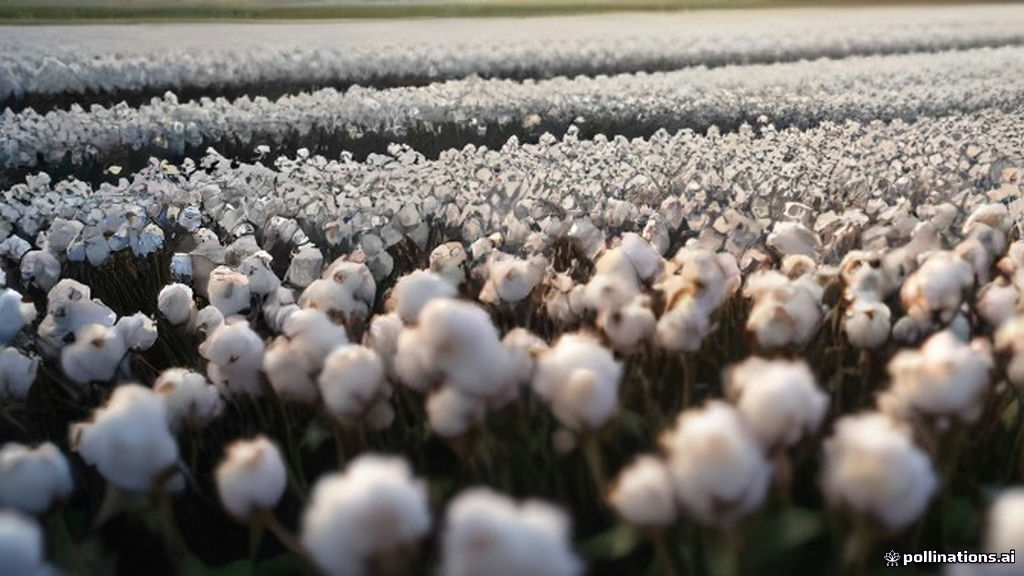
The United States Department of Agriculture (USDA) has released its latest Global Agricultural Outlook, revealing a notable dip in worldwide cotton production. Shrinking harvests in the United States and India—two of the world’s top cotton growers—are expected to outweigh gains from China and Australia, pushing global output down for the 2024/25 marketing year. The forecast signals tighter supplies, higher prices, and strategic adjustments for textile manufacturers and traders worldwide.
What Happened
According to the USDA’s new assessment, projected cotton yields in the United States have been trimmed by roughly 5 percent due to a combination of adverse weather patterns and lingering pest pressures. Simultaneously, India’s output estimate has been cut by about 8 percent, reflecting delayed monsoon rains and increased water scarcity across key cotton‑producing states such as Maharashtra and Gujarat. While China and Australia have raised their own forecasts—thanks to improved irrigation and favorable climate conditions—the overall balance points to a net decline in global cotton supply.
These downward revisions come on the heels of a volatile 2023/24 season, when both the U.S. and Indian cotton sectors grappled with unexpected frost events, heatwaves, and higher input costs. The USDA’s latest numbers suggest that the combined shortfall from the two largest producers could reduce world cotton production by an estimated 1.2 million metric tons, a figure that will likely reverberate through downstream markets.
Key Details
The USDA now projects U.S. cotton production at 16.5 million bales, down from the previous estimate of 17.4 million bales. The reduction is largely driven by lower yields in the Southwest and the Mississippi Delta, where drought conditions have persisted into the planting season. In India, the expected output has slipped to 33 million bales, a decline from the earlier forecast of 36 million bales, as farmers confront erratic rainfall and rising costs of irrigation water.
Conversely, China’s outlook has been upgraded to 33 million bales, bolstered by increased planting in the Xinjiang region, where advanced irrigation technologies have mitigated water stress. Australia’s forecast has also risen to 3.2 million bales, reflecting a favorable winter and early spring that have encouraged higher planting rates. Turkey’s estimate remains steady at 1.1 million bales, providing a modest but stable contribution to the global tally.
Background
Cotton is the second most important natural fiber after wool, and its production is highly sensitive to climate variability, water availability, and policy decisions. Over the past decade, the United States and India have collectively accounted for roughly 55 percent of global cotton output, making any fluctuations in their harvests especially consequential for the international market. Historically, the USDA’s Global Agricultural Outlook has served as a benchmark for traders, manufacturers, and policymakers seeking to anticipate supply‑demand dynamics.
The 2024/25 outlook arrives amid broader concerns about agricultural sustainability. Both the U.S. and India are grappling with the dual challenges of climate change and increasing demand for sustainable fibers. In the United States, the push for genetically modified (GM) cotton varieties aims to improve drought resistance, while India’s cotton sector is under pressure to adopt more water‑efficient practices to safeguard its extensive agrarian communities.
Why It Matters
A contraction in global cotton supply can translate into higher raw material costs for the textile industry, which in turn may lead to increased prices for finished garments. Countries that rely heavily on cotton imports—such as Bangladesh, Vietnam, and Pakistan—could see their trade balances strained, potentially prompting shifts toward alternative fibers like polyester or recycled cotton blends. Moreover, higher cotton prices can incentivize farmers in marginal regions to expand cultivation, raising concerns about land use change and water consumption.
From a market perspective, the USDA’s revised outlook is likely to trigger a rally in cotton futures, as traders price in the anticipated scarcity. This price pressure may also affect downstream industries, including denim manufacturers and home‑textile producers, who could face tighter margins or be forced to pass costs onto consumers. Additionally, the outlook underscores the importance of strategic stockpiles and diversified sourcing strategies for large apparel brands seeking to mitigate supply‑chain disruptions.
What Happens Next
Stakeholders are expected to monitor weather developments closely as the planting season progresses. In the United States, the USDA will release weekly crop progress reports that could further adjust the production outlook, especially if drought conditions intensify or improve. Indian authorities, meanwhile, are likely to intensify water‑conservation measures and explore subsidies for drought‑tolerant seed varieties to offset the projected shortfall.
On the trade front, import‑dependent nations may accelerate negotiations for long‑term contracts with producers in China and Australia, seeking to lock in supply at more predictable prices. Simultaneously, textile manufacturers might increase investment in recycling technologies and alternative fibers to hedge against future cotton volatility. The coming months will therefore be a critical period for both policymakers and industry players as they adapt to a tighter cotton market.
In summary, the USDA’s latest forecast signals a modest but meaningful decline in global cotton output, driven primarily by reduced harvests in the United States and India. While gains in China and Australia offer some relief, the overall supply contraction is poised to influence prices, trade flows, and strategic decisions across the textile value chain. As climate pressures mount and water resources become increasingly scarce, the cotton sector’s resilience will hinge on innovation, adaptive farming practices, and diversified sourcing strategies.
📖 See Also
📚 Sources & Attribution
- ✓ Business Line