Fallen Leaves Aren’t Just for Mulch – These 7 Clever Uses Save Money and Improve Your Garden
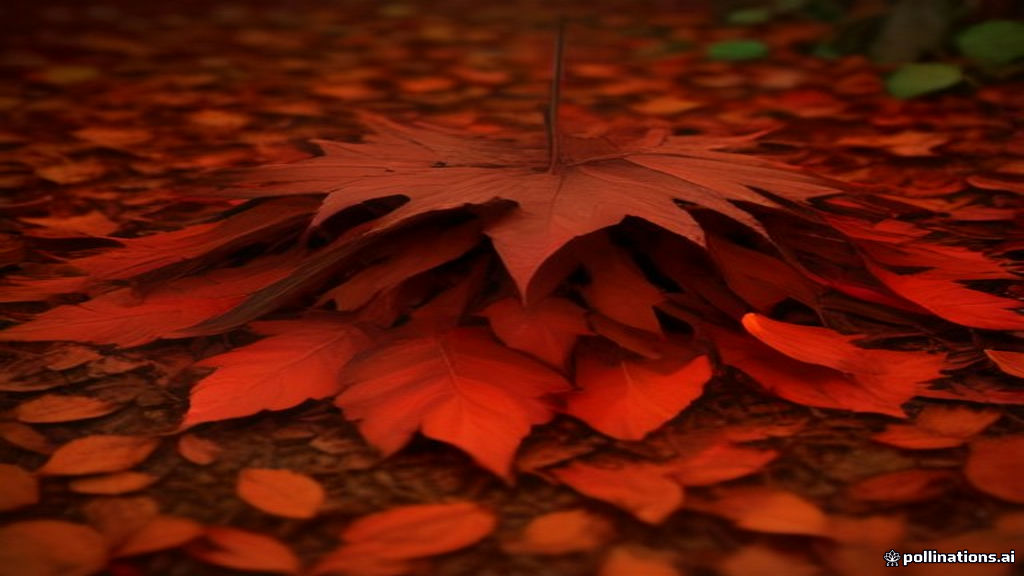
When autumn drapes your garden in a carpet of golden, amber, and brown, it’s tempting to see the fallen leaves as a nuisance that needs to be bagged and hauled away. In reality, those leaves are a free, abundant resource that can be transformed into tools that save money, boost soil health, and make gardening easier year‑round. Below we explore seven clever ways to put those leafy treasures to work, turning a seasonal chore into a garden‑enhancing opportunity.
What Happened
In many neighborhoods, homeowners’ associations and municipal services treat leaf clean‑up as a routine task: rakes are swung, leaves are collected, and trucks haul the green waste to landfills. While a thick layer of leaves can indeed smother grass and create a slippery surface, the blanket approach of bagging everything discards a valuable source of organic matter. Gardeners who have begun to experiment with leaves report dramatic improvements in soil structure, reduced watering needs, and lower expenses on commercial mulches and fertilizers.
One suburban gardener, Maya Patel, decided to stop buying bagged mulch after a particularly wet fall left her lawn drowning in leaves. Instead, she gathered the leaves, shredded them with a lawn mower, and spread them around her vegetable beds. Within weeks, the soil stayed cooler, weeds were fewer, and her tomatoes produced a richer harvest. Stories like Maya’s are prompting a shift from “leaf removal” to “leaf reuse,” encouraging homeowners to think of fallen foliage as a garden asset rather than a waste product.
Key Details
1. Leaf Mold Compost – Shredded leaves decompose slowly into a dark, crumbly material known as leaf mold. Unlike traditional compost, leaf mold requires only moisture and time, producing a soil conditioner that improves water retention and aeration. A simple pile of shredded leaves, kept moist and turned occasionally, can become usable leaf mold in six to twelve months.
2. Winter Insulation – A thick layer of leaves placed around the base of perennials, shrubs, and young trees acts as natural insulation. This “leaf blanket” protects roots from freezing temperatures, reduces the need for expensive frost cloths, and helps plants emerge earlier in spring.
3. Pathway Cover – Instead of buying stone or wood chips, spread a layer of leaves on garden paths. The leaves suppress weeds, absorb foot traffic, and break down over time, enriching the soil beneath. In high‑traffic areas, a second layer of coarse mulch can be added for durability.
4. Seedling Starter – Mix shredded leaves with potting soil to create a lightweight, nutrient‑rich medium for starting seedlings. The leaf content provides a slow‑release source of nitrogen, phosphorus, and potassium, giving young plants a strong start without chemical fertilizers.
5. Natural Weed Barrier – Lay down a thick sheet of leaves over garden beds before planting. The leaf layer blocks sunlight, preventing weed germination, while simultaneously feeding the soil as it breaks down.
6. Leaf Tea (Liquid Fertilizer) – Soak a handful of shredded leaves in water for a week, then strain the liquid. This “leaf tea” can be used as a mild, organic fertilizer for foliage plants, delivering micronutrients and improving leaf color.
7. Compost Accelerator – Adding shredded leaves to a regular compost heap balances the carbon‑rich (brown) material with nitrogen‑rich (green) scraps. The leaves speed up the decomposition process, resulting in richer, faster‑producing compost.
Background
Leaves are primarily composed of carbon, cellulose, and lignin—materials that break down slowly compared to kitchen scraps. Historically, before modern waste management, gardeners and farmers would pile leaves in windrows to decompose naturally, creating a humus that enriched the soil for generations. The industrial era introduced synthetic mulches and chemical fertilizers, pushing leaf reuse into the background. However, rising concerns about landfill space, carbon footprints, and soil degradation have revived interest in traditional, low‑tech methods.
Scientific studies support the benefits of leaf recycling. Research from the University of Minnesota shows that leaf mold can increase soil water holding capacity by up to 30 percent, reducing irrigation needs. Another study from the University of California demonstrated that leaf‑based mulches suppress weed emergence more effectively than many commercial alternatives, thanks to their dense, interlocking structure.
Why It Matters
Utilizing fallen leaves addresses multiple environmental challenges at once. First, it cuts down on the volume of green waste sent to landfills, where it would decompose anaerobically and release methane—a potent greenhouse gas. Second, by replacing synthetic mulches and chemical fertilizers with natural leaf products, gardeners reduce their reliance on petroleum‑based inputs, lowering both costs and carbon emissions associated with production and transport.
Third, leaf reuse improves garden health. The organic matter from leaves feeds beneficial soil microbes, which in turn enhance nutrient cycling and disease resistance for plants. Homeowners who adopt these practices often notice healthier lawns, more vigorous vegetable yields, and a reduction in pest problems, all without spending a dime on commercial products.
What Happens Next
As more gardeners share their successes on social media and community workshops, municipalities are beginning to reconsider leaf collection policies. Some cities now offer compost drop‑off sites or provide free leaf shredders at local parks, encouraging residents to process leaves on‑site rather than bag them. Homeowners can also organize neighborhood leaf‑sharing programs, where excess shredded leaves are exchanged for other garden resources.
Looking ahead, the integration of leaf recycling into standard gardening practices could become a cornerstone of sustainable urban landscaping. By viewing each fall as an opportunity to harvest a renewable resource, gardeners not only save money but also contribute to a healthier, more resilient ecosystem. The next time you hear the rustle of leaves underfoot, remember that those humble fragments hold the power to transform your garden—one leaf at a time.
In conclusion, fallen leaves are far more than seasonal debris. Through simple techniques—shredding, layering, soaking, and composting—you can unlock seven versatile uses that enrich soil, protect plants, and cut expenses. Embrace the autumn bounty, and let nature’s own mulch work its magic throughout the year.
📖 See Also
📚 Sources & Attribution
- ✓ Gardening Know How