Dolly Parton says she’s exploring “avatar performances”
Introduction
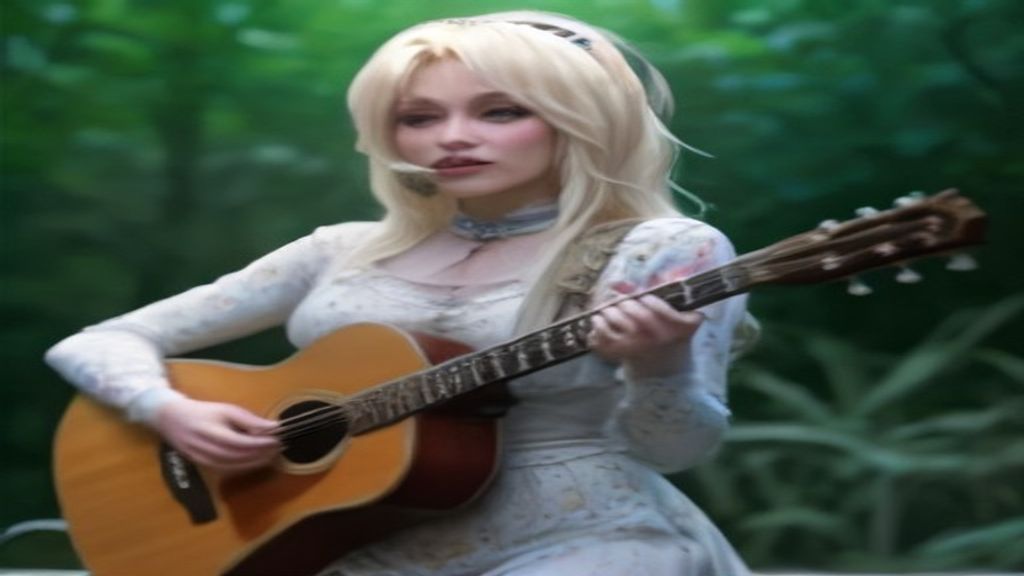
Dolly Parton, the legendary country‑music icon whose career spans more than six decades, has announced that she is exploring “avatar performances.” The revelation comes after a string of health setbacks that have forced the 78‑year‑old star to rethink how she brings her music to the stage. In a recent interview, Parton explained that she is working with technologists to create digital versions of herself that can perform live, appear in virtual concerts, and interact with fans in ways that go beyond traditional touring. The concept could allow her to keep sharing new songs and classic hits while preserving her health and expanding her reach to a global, tech‑savvy audience.What Happened
Over the past year, Parton has been candid about several medical challenges, including a diagnosis of pre‑diabetes, a serious back injury that required surgery, and a recent hernia operation. These issues have limited her ability to maintain the grueling schedule of a conventional tour, prompting her to explore alternatives that keep her connected to fans without the physical strain of long‑haul performances.
During a press briefing, the singer‑songwriter revealed that the idea of “avatar performances” emerged from conversations with a team of digital artists and engineers. She described the concept as a “new frontier” that could blend her unmistakable voice and stage presence with cutting‑edge visual technology. While she did not disclose the exact format, Parton hinted at possibilities ranging from holographic projections on stage to fully immersive virtual‑reality concerts where fans could experience a lifelike rendition of her performing from anywhere in the world.
Parton’s enthusiasm was palpable. “I’m very excited about it,” she said. “It feels like a fresh way to keep the music alive, to keep the connection with the people who love it, even if I’m not physically on the road.” Her statement has sparked a wave of speculation across social media, with fans and industry insiders alike wondering how the technology will be executed and what it could mean for the future of live entertainment.
Key Details
The development of Parton’s avatar performances is being handled by a multidisciplinary team that includes visual effects studios, AI specialists, and music producers. Early reports suggest that the project may employ deep‑fake technology combined with motion‑capture suits, allowing a digital double of Parton to mimic her gestures, facial expressions, and vocal nuances with remarkable fidelity. This approach would enable the avatar to perform both classic catalog songs and new material, potentially even adapting setlists in real time based on audience interaction.
One avenue being explored is the use of augmented reality (AR) overlays for live events. In this scenario, fans attending a concert could point their smartphones or AR glasses at a stage and see a three‑dimensional Dolly Parton appear alongside physical musicians, creating a hybrid experience that blends the tangible and the virtual. Another possibility is a fully virtual concert hosted on platforms like Fortnite, Roblox, or dedicated VR venues, where attendees can move through a digital space, interact with other fans, and watch the avatar perform on a virtual stage that can be as fantastical as the imagination allows.
Parton’s team is also considering the integration of interactive elements, such as allowing fans to request songs via a live chat, vote on visual themes, or even trigger personalized messages from the avatar. This level of interactivity could transform a passive concert experience into a dynamic, participatory event, aligning with the growing demand for immersive entertainment.
Background
Throughout her career, Dolly Parton has been a trailblazer, not only in music but also in business and philanthropy. From founding Dollywood to launching the Imagination Library, she has consistently leveraged her platform to innovate and give back. Musically, she has crossed genre boundaries, collaborating with artists from pop, rock, and even hip‑hop, demonstrating a willingness to evolve her sound and presentation.
Her recent health challenges have been publicly documented, with Parton using her social media channels to share updates and encourage fans to prioritize wellness. Despite these setbacks, she has continued to write new songs, release albums, and engage in charitable work. The move toward avatar performances can be seen as an extension of her long‑standing ethos: adapt, reinvent, and keep the music alive for as long as possible.
Why It Matters
Parton’s foray into avatar performances could have far‑reaching implications for the music industry. As one of the most beloved and recognizable artists in the world, her endorsement of digital performance technology may accelerate acceptance among other legacy acts who face similar health or logistical constraints. It also raises important conversations about the authenticity of live music, the role of AI in creative expression, and the potential for artists to extend their careers beyond the limits of the human body.
Moreover, the project highlights the growing convergence of entertainment and technology. By embracing virtual and augmented reality, Parton is positioning herself at the forefront of a shift that could democratize access to live performances, allowing fans in remote or underserved regions to experience a high‑quality concert without the need for travel. This could open new revenue streams, such as ticketed virtual events, exclusive digital merchandise, and subscription‑based fan clubs centered around avatar experiences.
What Happens Next
In the coming months, Parton’s team is expected to release a teaser or pilot performance that showcases the avatar’s capabilities. Industry insiders anticipate that the first public demonstration may be tied to a major music festival or a special anniversary event, leveraging the buzz to maximize exposure. The rollout will likely involve a phased approach, starting with limited‑access virtual concerts before expanding to broader platforms and possibly integrating the avatar into televised appearances.
Fans will be watching closely to see how the technology balances fidelity to Parton’s iconic style with the novelty of a digital persona. Success will depend on the seamless integration of her voice, charisma, and storytelling—elements that have defined her career. If the avatar can capture the warmth and humor that fans associate with Dolly Parton while delivering a visually stunning show, it could set a new benchmark for how artists navigate the intersection of health, technology, and performance.
Conclusion
Dolly Parton’s announcement that she is exploring “avatar performances” underscores her relentless creativity and her commitment to staying connected with audiences despite personal health hurdles. By partnering with cutting‑edge technologists, she is not only safeguarding her own ability to perform but also pioneering a model that could reshape live music for generations to come. Whether through holograms, VR concerts, or AR experiences, Parton’s digital double promises to keep the spirit of her music alive, proving once again that true artistry can transcend the limits of the physical stage.
📖 See Also
📚 Sources & Attribution
- ✓ NME News