Death toll in Nepal floods tops 900, number of missing nearly doubles to over 4,200
Death toll in Nepal floods tops 900, number of missing nearly doubles to over 4,200
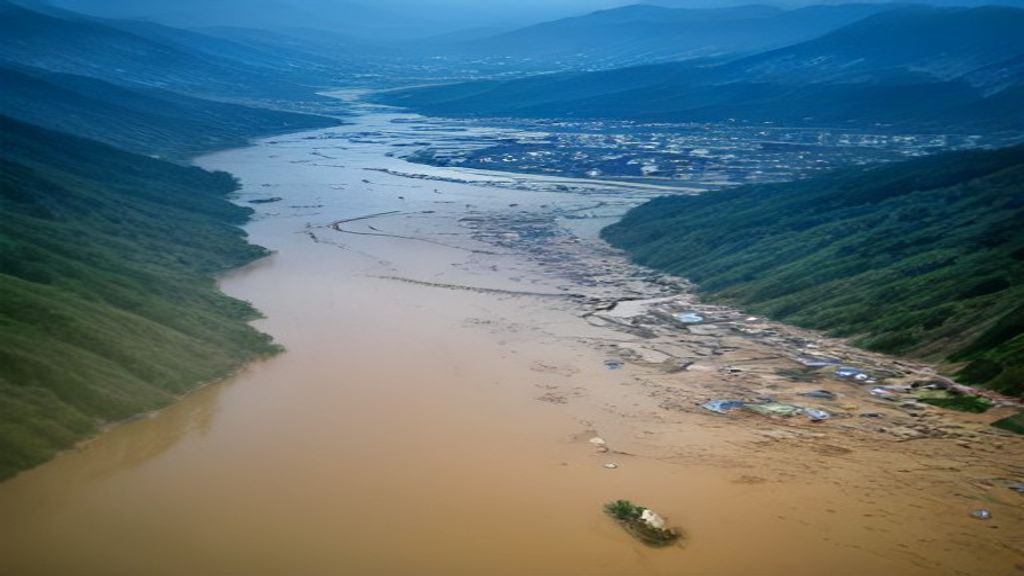
Last week’s monsoon deluge has turned Nepal’s low‑lying Terai region into a landscape of water‑logged villages, collapsed bridges and shattered lives. Official figures released on Monday show the death toll climbing to 903, while the list of missing persons has surged to 4,247 – almost a doubling in just a few days. The scale of the disaster has triggered a massive humanitarian response, yet the full human cost remains uncertain as rescue teams continue to scour the flood‑ravaged terrain.
What Happened
Unrelenting heavy rains, recorded as some of the highest in a decade, caused the Karnali, Babai and other tributaries to burst their banks. In districts such as Banke, Bardiya and Kailali, water rose rapidly, engulfing homes, schools and markets within hours. Entire hamlets were cut off, and many residents were forced to flee on foot or by makeshift rafts as the floodwaters surged over low‑lying fields and roadways.
Compounding the crisis, the region’s already fragile infrastructure crumbled under the pressure. Roads turned into rivers, electricity poles snapped, and communication networks were knocked out, leaving many communities isolated. The suddenness of the event left little time for organized evacuation, resulting in chaotic scenes of families clinging to rooftops and rescue boats navigating debris‑filled channels.
Key Details
Authorities confirm that the confirmed death count of 903 is likely to rise as recovery teams recover bodies from submerged areas and identify victims. The missing figure of 4,247 reflects reports from local councils, relief agencies and families who have not been able to confirm the whereabouts of loved ones. Over 1.5 million people are now classified as affected, with many displaced into temporary shelters set up in schools, community halls and open fields.
The Nepalese government has mobilized more than 10,000 security personnel, including army engineers and police units, to conduct search‑and‑rescue operations, clear blocked roads and distribute emergency supplies. International assistance has begun flowing: India dispatched relief convoys and medical teams, China sent emergency food packets, and the United Nations Office for the Coordination of Humanitarian Affairs (OCHA) has coordinated a multi‑nation response aimed at delivering water, sanitation kits and temporary housing.
Background
Nepal’s geography—steep hills descending into the flat Terai plain—makes it especially vulnerable to flash floods and landslides during the monsoon season. The country is still grappling with the long‑term impacts of the 2015 magnitude‑7.8 earthquake, which weakened many structures and left reconstruction efforts incomplete. In recent years, climate‑related anomalies have intensified rainfall patterns, increasing the frequency and severity of flood events across the region.
Despite ongoing efforts to improve early warning systems, many remote villages lack reliable access to real‑time alerts. Limited road networks and under‑funded disaster preparedness programs have hampered rapid response capabilities. The current crisis underscores systemic gaps in infrastructure, land‑use planning, and community resilience that have been highlighted by previous natural disasters but remain insufficiently addressed.
Why It Matters
The humanitarian toll is profound: families have lost breadwinners, children have been separated from parents, and entire communities face the prospect of prolonged displacement. Beyond the immediate loss of life, the floods threaten food security, as flood‑damaged fields jeopardize the upcoming planting season for a nation where agriculture employs roughly 65 % of the workforce. The destruction of crops could trigger price spikes and exacerbate poverty in already vulnerable populations.
Economically, the damage is estimated to exceed $100 million, straining Nepal’s already limited fiscal resources. Critical infrastructure—roads, bridges, health clinics—has been compromised, impeding trade and access to essential services. The disaster also raises broader regional concerns about climate change adaptation, as neighboring South Asian nations watch Nepal’s response and consider similar vulnerabilities within their own flood‑prone territories.
What Happens Next
In the short term, the focus will shift from rescue to relief distribution. The government, together with international partners, is scaling up the provision of clean water, emergency shelter kits, and medical care to prevent disease outbreaks in crowded temporary camps. Mobile health units are being deployed to address injuries, water‑borne illnesses, and mental‑health needs arising from trauma.
Long‑term recovery will require a coordinated reconstruction plan that prioritizes resilient infrastructure, such as elevated roadways, flood‑resistant housing and improved drainage systems. Experts advocate for community‑based disaster risk reduction programs, enhanced early‑warning mechanisms, and reforestation projects in upstream catchments to mitigate future flood risks. Securing funding, both domestic and foreign, will be essential to rebuild livelihoods and restore confidence in the affected districts.
Conclusion
The Nepal floods have laid bare the fragility of communities living on the edge of nature’s fury, delivering a stark reminder of the human cost of climate‑driven disasters. While rescue teams continue to search for the missing and provide urgent aid, the path to recovery will be long, demanding sustained national resolve and international solidarity. Only through comprehensive rebuilding and proactive risk management can Nepal hope to safeguard its people against the growing threat of future floods.
📖 See Also
📚 Sources & Attribution
- ✓ NBC News