Climate change parches Puerto Rico and Jamaica in rare early wet season drought
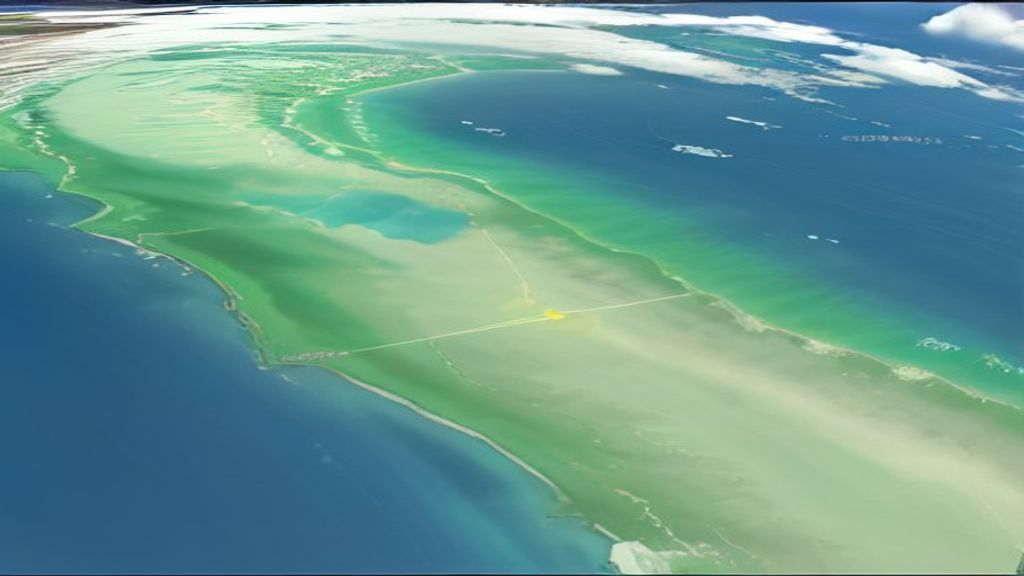
A sweeping drought that began across the Caribbean in May 2026 has hit Puerto Rico and Jamaica especially hard, arriving unusually early in what should be a wet season. A rapid attribution study by World Weather Attribution (WWA) links the severity of this event to human‑driven climate change, underscoring how rising temperatures are reshaping even the most predictable weather patterns in the region.
📊 Key Facts At A Glance
- → In the Caribbean, the wet season runs […]
What Happened
Since early May, rainfall totals across Puerto Rico and Jamaica have fallen well below the seasonal average, with many areas receiving less than half the expected precipitation. The deficit persisted through June, a month that typically marks the onset of the Caribbean’s rainy period, leading to rapidly drying soils, stressed water supplies, and heightened fire risk.
Satellite observations and ground stations recorded a pronounced dip in atmospheric moisture, while temperature anomalies rose 1.2 °C above the 1981‑2010 baseline. The combination of higher heat and reduced cloud formation amplified evaporation, creating a feedback loop that intensified the drought well before the usual wet‑season rains could arrive.
Key Details
WWA’s analysis, conducted within weeks of the drought’s emergence, used climate models to compare the observed conditions with a counterfactual world without anthropogenic greenhouse gases. The study concluded there is a 95 % probability that human‑induced warming made the drought at least twice as likely and increased its intensity by roughly 30 %.
In Puerto Rico, the drought has already lowered reservoir levels to 38 % of capacity, prompting water-use restrictions in San Juan and surrounding municipalities. Jamaica’s agricultural sector faces similar strain; sugarcane and banana farms report yield reductions of up to 40 % due to insufficient soil moisture and increased pest pressure linked to drier conditions.
Background
The Caribbean’s climate is traditionally defined by a clear seasonal rhythm: a dry spell from December to April followed by a reliably wet season from May to November. This pattern has supported tourism, agriculture, and water management strategies for decades. However, long‑term climate data reveal a gradual shift, with the wet season’s onset becoming more erratic and overall precipitation trends trending downward.
Scientific consensus attributes these changes to the warming of the Atlantic Ocean and the broader tropical atmosphere. Warmer sea surface temperatures boost the intensity of tropical storms but also alter the distribution of the Intertropical Convergence Zone, which governs the timing and location of rainfall. As a result, the Caribbean is experiencing both more extreme storms and longer, more severe dry periods.
Why It Matters
Water scarcity directly threatens public health, food security, and economic stability in island nations that rely heavily on imported goods and tourism. Prolonged drought conditions strain municipal water systems, increase the cost of desalination, and raise the risk of water‑borne diseases as communities turn to unsafe sources. For farmers, reduced yields translate into higher food prices and greater dependence on external markets.
Beyond immediate impacts, the early‑season drought serves as a warning sign for climate resilience. Infrastructure designed for a predictable wet season may no longer be adequate, exposing power grids, transportation networks, and coastal defenses to heightened vulnerability. Moreover, the psychological toll on residents facing repeated water restrictions can erode public confidence in government preparedness.
What Happens Next
Governments in Puerto Rico and Jamaica are already mobilizing emergency response measures, including accelerated water‑conservation campaigns, temporary water trucking, and financial aid for affected farmers. International agencies, such as the Caribbean Development Bank, are evaluating funding for climate‑adaptation projects, ranging from rainwater harvesting systems to drought‑resistant crop varieties.
Scientists stress that short‑term mitigation must be paired with long‑term climate strategies. Expanding renewable energy, protecting and restoring mangroves, and investing in advanced climate‑modeling capacity are essential steps to reduce future vulnerability. Continued monitoring and rapid attribution studies will be crucial for linking extreme events to climate change, informing policy, and securing the resources needed to adapt.
As the Caribbean confronts an increasingly unpredictable climate, the early wet‑season drought in Puerto Rico and Jamaica illustrates how human‑driven warming can disrupt even the most established seasonal patterns. The episode underscores the urgency of coordinated action—both locally and globally—to safeguard water security, protect livelihoods, and build resilience against a future where such “rare” events may become the new norm.
📖 See Also
📚 Sources & Attribution
- ✓ Mongabay News