Children among 139 dead after boat capsizes off Djibouti, UN says
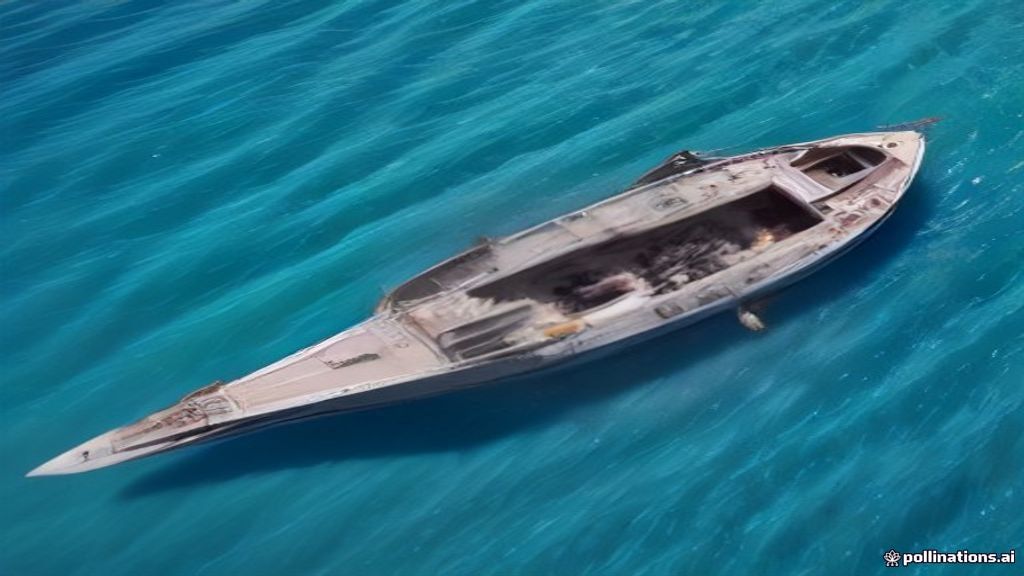
Tragedy struck the Red Sea on Thursday night when a crowded boat bound for Yemen capsized off the coast of Djibouti, leaving at least 139 people dead, including a number of children. The United Nations confirmed the death toll and warned that the disaster underscores the perilous journeys undertaken by migrants seeking a better life across the Horn of Africa.
What Happened
The vessel, reportedly a small wooden dhow, departed the Djiboutian port of Djibouti in the early evening with an estimated 305 passengers and crew aboard. According to eyewitnesses, the boat encountered rough seas near the town of Obock, a short distance from the shoreline, before it suddenly listed and tipped over, throwing many occupants into the water.
Rescue teams from Djibouti’s coast guard, along with local fishermen, rushed to the scene within hours. They managed to pull survivors onto waiting boats, but the darkness and the chaotic conditions hampered efforts, leaving dozens of bodies unrecovered and many more injured and in need of urgent medical attention.
Key Details
UN officials released a preliminary report confirming that 139 people have been confirmed dead, among them at least 15 children under the age of twelve. The death toll includes both passengers and crew members, while about 70 survivors have been taken to hospitals in Djibouti for treatment of hypothermia, dehydration, and injuries sustained during the capsizing.
Authorities have also reported that roughly 100 individuals remain missing and are presumed dead, as the search operation continues. The Djiboutian government has appealed for international assistance, and the United Nations Office for the Coordination of Humanitarian Affairs (OCHA) has pledged additional resources to support the ongoing rescue and recovery mission.
Background
Djibouti has become a key departure point for migrants from the Horn of Africa, the Middle East, and South Asia who aim to reach the Gulf states or Europe via Yemen and the Arabian Peninsula. The journey is notoriously dangerous, with many vessels overloaded, poorly maintained, and lacking basic safety equipment such as life jackets or navigation tools.
In recent years, the United Nations High Commissioner for Refugees (UNHCR) has warned that regional instability, economic hardship, and climate‑related stressors are driving a surge in irregular migration. The country’s limited capacity to monitor and regulate small boat departures has made it a hotspot for human smuggling networks that profit from the desperation of would‑be migrants.
Why It Matters
The loss of life, especially that of children, has reignited calls for stronger regional cooperation on migration management and maritime safety. Human rights groups argue that the tragedy highlights systemic failures to protect vulnerable populations from exploitative smugglers and to provide safe, legal pathways for migration.
Moreover, the incident threatens to strain Djibouti’s already fragile resources. The nation, which hosts a significant number of refugees and asylum seekers, must now allocate additional medical supplies, shelter, and psychosocial support to the survivors and their families, diverting aid from other pressing humanitarian needs in the region.
What Happens Next
The Djiboutian authorities have launched a formal investigation into the circumstances surrounding the capsizing, focusing on the vessel’s compliance with maritime regulations and the role of traffickers. International observers, including the International Maritime Organization (IMO), have been invited to assess safety standards and recommend reforms to prevent similar disasters.
Humanitarian agencies are mobilizing to provide emergency assistance to the affected families, including food, clean water, and counseling services. The UN has also urged donor nations to increase funding for regional migration programs that emphasize protection, legal assistance, and the development of safer migration routes.
As the community mourns the loss of its children and countless others, the tragedy serves as a stark reminder of the human cost of irregular migration. It calls for urgent, coordinated action to address the root causes that push people onto dangerous boats, while ensuring that those who survive receive the support they need to rebuild their lives.
📖 See Also
📚 Sources & Attribution
- ✓ BBC News