Cargolux inspects undercarriage of 747-8F fleet after parked jet suffers collapse
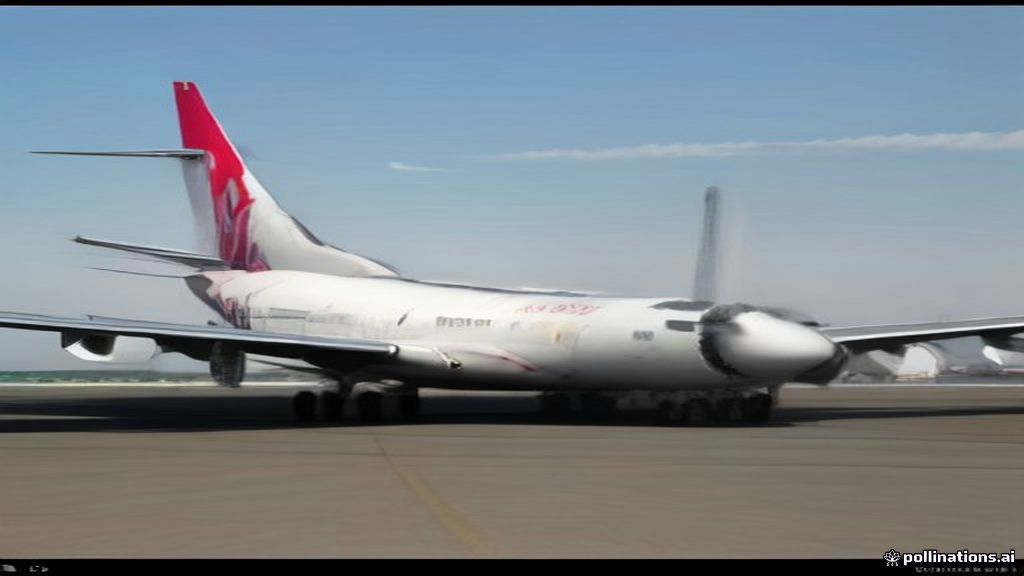
Cargolux, one of the world’s leading all‑cargo airlines, has launched a fleet‑wide inspection of its Boeing 747‑8F freighters after a dramatic landing‑gear failure occurred while an aircraft was parked at Luxembourg‑Findel Airport. The incident, which involved the left‑hand wing main landing‑gear collapsing on 23 October, has raised safety concerns across the cargo sector and prompted a swift response from the airline, regulators, and manufacturers. This article outlines what happened, the technical specifics, the historical context, and the steps being taken to prevent a repeat.
What Happened
At approximately 14:30 local time on 23 October, a Cargolux‑operated 747‑8F was positioned in a remote parking bay for routine ground handling. While ground crew were securing cargo pallets, the left‑hand main landing‑gear suddenly gave way, causing the wing to tilt inward and the aircraft to settle unevenly on the tarmac. No crew members were injured, but the visual impact of a massive freighter leaning on one side was striking, prompting immediate emergency response and evacuation of the area.
Airport fire and rescue services arrived within minutes, securing the scene and preventing any fuel spill or fire. The aircraft was subsequently towed to a maintenance hangar for a detailed examination. Cargolux quickly issued a statement confirming that the incident was isolated to the landing‑gear assembly and that the aircraft was taken out of service pending a thorough investigation.
Key Details
Preliminary findings indicate that the failure originated in the left‑hand wing main landing‑gear strut, a component that supports roughly one‑quarter of the aircraft’s weight during ground operations. Investigators have identified a possible fatigue crack in the oleo‑pneumatic shock absorber, a critical element that absorbs landing loads. The specific airframe involved is registration LX‑LFU, a 2022‑manufactured 747‑8F that had logged approximately 4,200 flight cycles and 19,000 flight hours.
Cargolux has confirmed that the aircraft’s maintenance records show no prior anomalies with the gear, and the airline follows a strict inspection regime mandated by both the European Union Aviation Safety Agency (EASA) and Boeing’s Service Bulletin 747‑8F SB‑78‑12, which calls for ultrasonic testing of gear struts every 2,000 cycles. The airline has now extended the inspection interval to every 1,500 cycles for all its 747‑8F fleet until the root cause is fully understood.
Background
The Boeing 747‑8F, introduced in 2011, is the newest and most advanced variant of the iconic “Jumbo Jet,” featuring a strengthened airframe and modernized systems. While the model has an excellent safety record, landing‑gear incidents have occurred sporadically across the broader 747 family, typically linked to high‑cycle fatigue or maintenance oversights. In 2015, a similar collapse was reported on a 747‑400 freighter operated by another carrier, leading to a fleet‑wide directive for enhanced gear inspections.
Cargolux, based in Luxembourg, operates a fleet of 14 747‑8Fs, making it the largest dedicated freighter operator of this type in Europe. The airline’s safety culture is built around rigorous compliance with international standards, and it routinely collaborates with Boeing and regulatory bodies on airworthiness directives. This incident, however, marks the first major gear failure for Cargolux since it introduced the 747‑8F into service in 2020.
Why It Matters
Landing‑gear failures pose a significant safety risk not only to the aircraft itself but also to ground personnel, nearby aircraft, and airport infrastructure. A collapse on a parked aircraft can lead to structural damage that compromises the airframe’s integrity, potentially grounding the aircraft for months and incurring costly repairs. For a cargo carrier like Cargolux, any prolonged outage directly impacts global supply chains, especially for time‑critical shipments such as pharmaceuticals and high‑value electronics.
Beyond operational disruptions, the incident underscores the importance of proactive maintenance in high‑cycle aircraft. The 747‑8F’s extensive use in long‑haul freight routes means each airframe can quickly accumulate the flight cycles that accelerate metal fatigue. A systematic inspection program, informed by real‑world failures, helps prevent catastrophic events and maintains confidence among shippers, insurers, and regulators.
What Happens Next
Cargolux has ordered an immediate, comprehensive inspection of the landing‑gear assemblies on all its 747‑8Fs, employing non‑destructive testing techniques such as ultrasonic and eddy‑current scans. The airline is working closely with Boeing’s engineering team and EASA to develop a corrective action plan, which may include retrofitting reinforced struts or updating the gear’s lubrication schedule. The affected aircraft, LX‑LFU, will remain grounded until a full structural assessment is completed and any necessary repairs are certified.
Regulatory authorities have opened a formal investigation under the European Aviation Safety Agency’s Incident Reporting System. Findings from this probe will be shared with other operators of the 747‑8F to determine whether a broader airworthiness directive is warranted. Meanwhile, Cargolux is maintaining communication with customers, offering alternative routing and capacity to mitigate any impact on cargo commitments while the fleet undergoes the enhanced inspection regime.
In conclusion, the landing‑gear collapse of a Cargolux 747‑8F serves as a stark reminder of the relentless wear faced by high‑cycle cargo aircraft and the critical role of vigilant maintenance. By launching a fleet‑wide inspection and collaborating with manufacturers and regulators, Cargolux aims to restore confidence, safeguard its operations, and ensure that such an event does not recur. The aviation community will be watching closely as the investigation unfolds and the lessons learned are applied across the global freighter fleet.
📖 See Also
📚 Sources & Attribution
- ✓ Flight Global