BMW Sales Suffer In 3rd Quarter, With BEVs Only Real Bright Spot
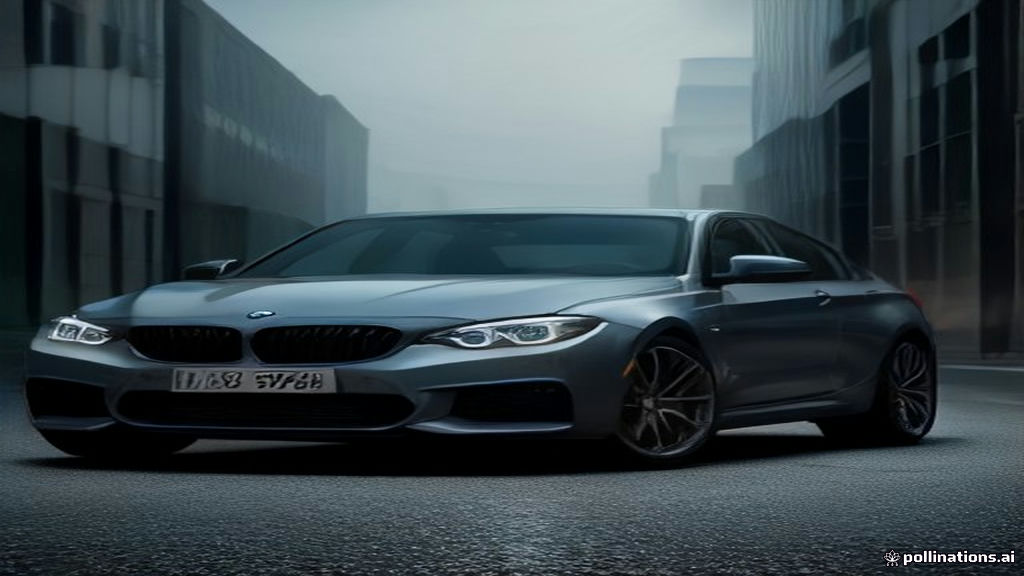
BMW’s third‑quarter results painted a mixed picture. While the German automaker’s overall sales slipped for the second consecutive quarter, its battery‑electric models (BEVs) posted a rare surge, highlighting the growing divide between legacy internal‑combustion line‑ups and the brand’s electrified future. The numbers underscore how quickly market dynamics are shifting and why BMW’s next moves will be watched closely by investors, regulators, and competitors alike.
What Happened
In the July‑September period, BMW Group reported a 5.2 % decline in total vehicle deliveries compared with the same quarter a year earlier, falling to 1.06 million units. The drop was driven primarily by weaker demand for its core BMW, MINI and Rolls‑Royce models across Europe and North America, where consumers are still grappling with higher financing rates and lingering supply‑chain bottlenecks. Meanwhile, the company’s BEV sales climbed 24 % year‑over‑year, reaching 124,000 units, and accounted for 11.7 % of total deliveries – the highest share in BMW’s history.
Analysts attribute the slump to a combination of macro‑economic headwinds and strategic missteps. BMW’s cautious rollout of new electric platforms, coupled with a prolonged lobbying effort against stricter emissions standards, left the brand lagging behind rivals such as Tesla, Volkswagen and Hyundai, which have accelerated their EV rollouts. The result was a noticeable shift in showroom inventory: dealers reported larger stocks of conventional models and thinner lines of the iX, i4 and the newly launched i7.
Key Details
Regionally, Europe was the hardest hit, with deliveries down 7.8 % as the EU’s “Fit for 55” emissions package nudged fleet buyers toward cleaner alternatives. In the United States, BMW’s sales fell 3.4 % but the BEV segment grew 31 %, bolstered by the iX’s strong performance in the luxury SUV segment. China, traditionally a growth engine, posted a modest 1.2 % decline overall, yet BEV volumes rose 19 % thanks largely to the iX3 and local‑produced iX variants.
Financially, the sales dip translated into a €1.4 billion reduction in operating profit for the quarter, while the BEV segment contributed an additional €210 million in contribution margin, reflecting higher average transaction prices and government incentives in key markets. The company also announced a €2 billion increase in its 2025 electrification investment plan, aiming to launch 12 new BEV models and expand its dedicated EV production capacity at the Leipzig and Dingolfing plants.
Background
BMW’s reluctance to fully embrace electrification has been a recurring theme. Over the past decade, the automaker prioritized incremental hybrid solutions and diesel efficiency improvements, arguing that a rapid shift to BEVs would alienate loyal customers and strain its premium brand image. This stance placed BMW at odds with regulators pushing for tighter CO₂ limits and with competitors who have committed to all‑electric line‑ups by the early 2030s.
In 2022, BMW announced its “i Vision” strategy, targeting 50 % of global sales to be fully electric by 2030. However, the rollout was slower than projected, with the first generation i3 and i8 serving more as technology demonstrators than volume sellers. The company’s recent “Project i” overhaul seeks to rectify this, consolidating EV development under a single umbrella and accelerating platform sharing across its marques.
Why It Matters
The divergence between BEV growth and overall sales decline sends a clear signal to investors: BMW’s traditional profit engines are eroding, while its electric future remains the only source of upside. This dynamic is influencing stock valuations, with analysts upgrading the company’s EV outlook but maintaining a cautious stance on its near‑term earnings. Moreover, the performance of BEVs will affect BMW’s ability to meet EU and US regulatory targets, avoiding hefty fines that could further erode profitability.
From an industry perspective, BMW’s experience underscores the broader challenge facing legacy manufacturers. Companies that hesitated to invest heavily in EV infrastructure are now scrambling to catch up, risking market share loss to pure‑play EV firms and to traditional rivals that have already committed to electrified portfolios. The quarter’s results may also accelerate the shift of dealer networks toward EV‑centric inventory and service capabilities, reshaping the after‑sales landscape.
What Happens Next
BMW has outlined a multi‑phase plan to reverse the sales slide. In the short term, the automaker will increase promotional incentives for its BEV models, expand fast‑charging partnerships, and launch a refreshed i4 with a longer range to compete directly with the Tesla Model 3. Production at the Leipzig plant is slated to double by 2026, with a focus on the iX and i7, while a new battery‑cell partnership with Northvolt aims to secure a stable supply chain and reduce costs.
Long‑term, BMW’s strategy hinges on delivering a seamless brand experience across electric and conventional lines, leveraging its premium reputation to command higher margins on EVs. The company is also exploring subscription‑based mobility services that bundle EV usage, charging, and maintenance, positioning itself to capture revenue from the evolving “mobility‑as‑a‑service” market. If these initiatives succeed, BMW could transform its recent sales weakness into a catalyst for sustainable growth.
Conclusion
📖 See Also
📚 Sources & Attribution
- ✓ CleanTechnica