A Complete Guide to Buying Your First Home in Houston
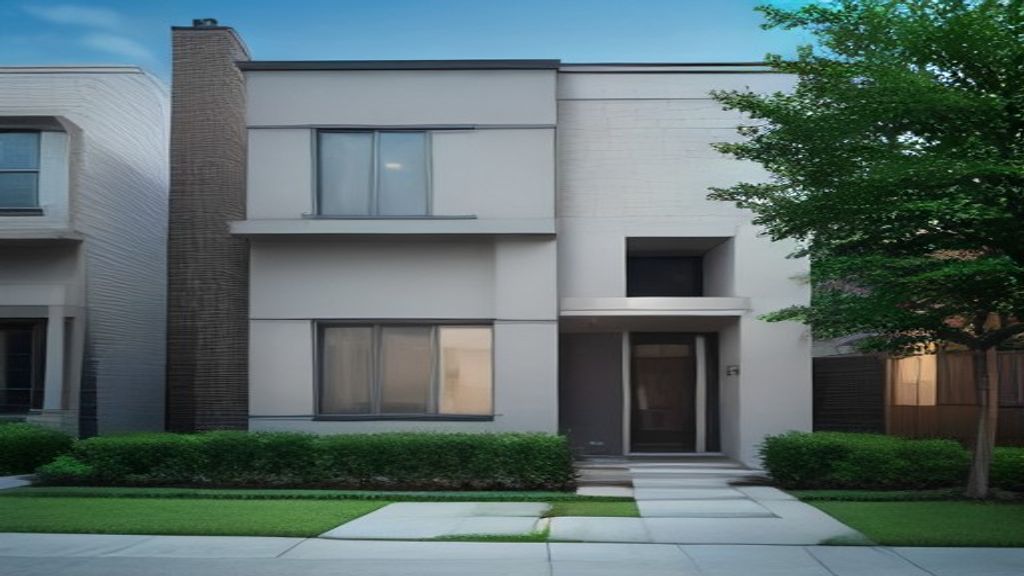
A Complete Guide to Buying Your First Home in Houston
Introduction
Purchasing your first home in Houston is a milestone that blends excitement with a fair share of uncertainty. The city’s sprawling neighborhoods, vibrant culture, and relatively affordable market make it an attractive destination for new buyers, but navigating the process requires careful planning. This guide walks you through each critical step—from setting a realistic budget to closing the deal—so you can move forward with confidence.
What Happened
First‑time homebuyers in Houston often start by assessing their finances and determining how much they can comfortably spend. Many begin with a pre‑approval from a lender, which not only clarifies borrowing power but also signals seriousness to sellers. After securing pre‑approval, buyers typically partner with a local real‑estate agent who knows the nuances of Houston’s diverse markets, from the historic charm of Montrose to the family‑friendly streets of The Woodlands.
Once a suitable property is identified, the buyer submits an offer. In Houston’s competitive environment, offers may include contingencies for financing, inspections, and appraisal. After negotiations, the seller accepts the offer, and the transaction moves into the due‑diligence phase, where inspections, appraisals, and final loan approval take place.
Key Details
Budgeting is the foundation of a successful purchase. Experts recommend that housing costs—mortgage, taxes, insurance, and maintenance—should not exceed 30 % of gross monthly income. In addition to the down payment (often 3‑20 % depending on the loan type), buyers should set aside 2‑5 % of the purchase price for closing costs, which cover lender fees, title insurance, and escrow deposits.
Mortgage options in Houston are varied. Conventional loans are popular for borrowers with strong credit, while FHA loans allow as little as 3.5 % down and are forgiving on credit scores. VA loans provide zero‑down financing for eligible veterans, and USDA loans can be used for rural‑adjacent areas with no down payment. Shopping around for rates and terms can save thousands over the life of the loan.
Inspections are non‑negotiable. A licensed home inspector evaluates structural integrity, roofing, electrical, plumbing, and HVAC systems. If significant issues arise, buyers can renegotiate price, request repairs, or walk away without penalty, provided the inspection contingency is intact. An appraisal, ordered by the lender, ensures the property’s market value supports the loan amount.
Background
Houston’s real‑estate market has historically been buyer‑friendly, thanks to a steady supply of homes and a cost‑of‑living below the national average. However, recent growth, fueled by the energy sector and a booming tech scene, has intensified competition in desirable zip codes. Understanding local market trends—such as average days on market and price per square foot—helps buyers make informed offers.
Another critical factor is the city’s geography. Houston’s susceptibility to flooding means many neighborhoods require flood insurance, which can add several hundred dollars to annual costs. Prospective buyers should review FEMA flood maps and consider properties with elevated foundations or recent flood mitigation improvements.
Why It Matters
Buying a home is often the largest financial commitment most people make. A well‑planned purchase builds equity, offers tax advantages, and provides stability that renting cannot. For Houston residents, homeownership also means tapping into a market that has shown consistent appreciation, especially in emerging districts where new developments and infrastructure upgrades are underway.
Beyond finances, owning a home fosters community involvement and personal freedom. Homeowners can customize their space, contribute to neighborhood associations, and benefit from the pride of maintaining a property that reflects their lifestyle. In a city as diverse as Houston, this sense of belonging can enhance quality of life and long‑term satisfaction.
What Happens Next
After the inspection and appraisal clear, the buyer finalizes the mortgage. The lender will request any remaining documentation, verify insurance coverage, and lock in the interest rate. Simultaneously, the buyer’s attorney or title company conducts a title search to ensure there are no liens or ownership disputes. Any issues uncovered at this stage must be resolved before closing.
Closing day marks the culmination of the process. The buyer signs a stack of documents, including the promissory note, deed of trust, and settlement statement. Funds are transferred to the seller, title is recorded with the county, and the buyer receives the keys. It’s advisable to review the Closing Disclosure at least three days prior to ensure all fees and charges match expectations.
Conclusion
Purchasing your first home in Houston is a rewarding journey that blends financial savvy with strategic planning. By establishing a solid budget, exploring mortgage options, conducting thorough inspections, and understanding local market dynamics, you set the stage for a smooth transaction. Remember to lean on experienced professionals—lenders, agents, inspectors, and attorneys—to guide you through each phase. With diligence and patience, you’ll soon be unlocking the door to your very own Houston home.
📖 See Also
📚 Sources & Attribution
- ✓ Space Coast Daily