63 Years Ago: CBS Aired The First Regular 30-Minute Evening News – A Look Back At CBS News
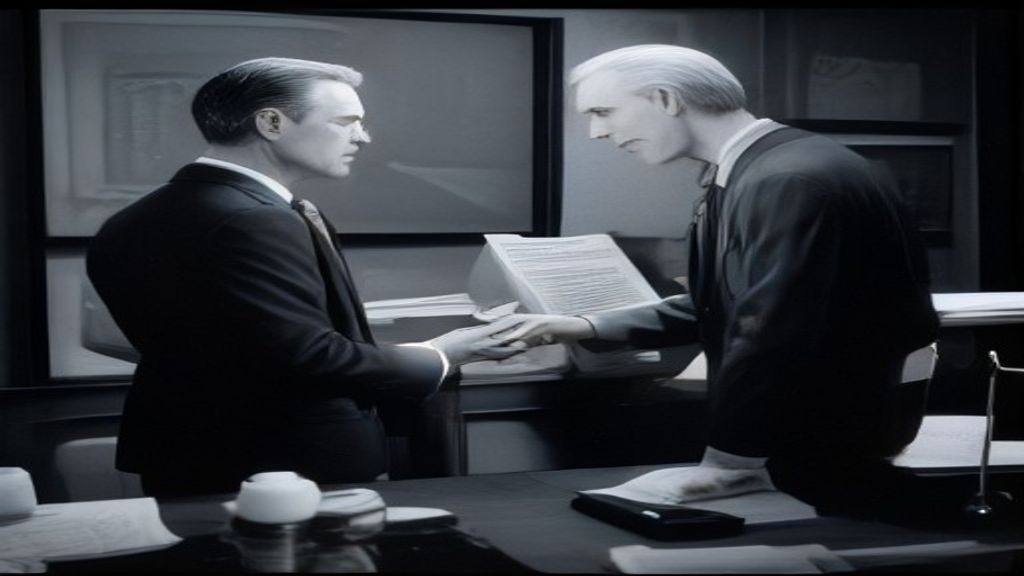
On September 2, 1963, CBS made a quiet yet transformative change to American television that still shapes how we receive the news today. By expanding its national newscast to a full half‑hour and moving it to the early evening slot of 6:30 p.m. Eastern, CBS set a template that would become the industry standard for decades. This article revisits that pivotal moment, explores the details behind the decision, and reflects on why the half‑hour evening news remains a cornerstone of broadcast journalism.
What Happened
Labor Day weekend marked the debut of CBS’s first regular 30‑minute evening news program. Previously, the network’s flagship newscast, “CBS Evening News,” ran for just 15 minutes and aired at 7:15 p.m. Eastern. On September 2, CBS doubled the airtime, retitled the broadcast “CBS Evening News,” and shifted it to 6:30 p.m., positioning it directly against competing network news and the growing popularity of prime‑time entertainment.
The change was not a flash‑in‑the‑pan experiment; it was a calculated response to evolving viewer habits, the rise of television as the primary news source, and the desire to provide a more in‑depth look at the day’s events. By offering a longer format, CBS could include more stories, deeper analysis, and a broader range of reporting, from hard‑hitting politics to human‑interest pieces.
Key Details
The expanded newscast featured a revamped studio set, a new theme music arrangement, and a more polished presentation style. Anchors Walter Cronkite and later Dan Rather would become synonymous with the half‑hour format, delivering news with a gravitas that matched the program’s increased seriousness. The 6:30 p.m. slot also allowed CBS to capture audiences returning home from work, creating a habitual viewing window that encouraged daily tune‑ins.
From a production standpoint, the shift required additional resources: more reporters, correspondents, and a larger editorial staff to fill the extra 15 minutes with quality content. CBS also invested in better field equipment and satellite technology, enabling faster, more reliable coverage of breaking news events—a capability that would prove crucial during the turbulent years of the 1960s and 1970s.
Background
Before 1963, American television news was still finding its footing. The early 1950s saw the emergence of nightly newscasts, but most were brief, often limited to a single segment that could not fully explore complex stories. Networks experimented with various formats, but none had yet settled on the half‑hour evening slot that we now consider standard.
CBS’s decision came at a time when the nation was grappling with significant social and political upheaval—civil‑rights movements, the Cold War, and the looming Vietnam conflict. Audiences demanded more comprehensive coverage, and advertisers recognized the commercial potential of a longer, more engaging news program that could command higher viewership during prime early‑evening hours.
Why It Matters
The half‑hour format fundamentally altered the relationship between television and the public. By providing a more thorough, scheduled news experience, CBS helped cement television as the primary conduit for national information, supplanting newspapers and radio as the go‑to source for daily events. This shift also set a competitive benchmark; rival networks quickly followed suit, expanding their own newscasts to match the new standard.
Beyond ratings, the change had lasting journalistic implications. A longer broadcast allowed for investigative pieces, extended interviews, and the inclusion of diverse viewpoints, raising the overall quality and depth of television news. It also gave anchors like Cronkite a platform to become trusted household names, shaping public opinion and fostering a sense of national cohesion during turbulent times.
What Happens Next
In the decades that followed, the half‑hour evening news became a staple across all major networks, with each station tweaking the format to suit its brand. Technological advances—such as satellite feeds, digital graphics, and later, high‑definition broadcasting—further enhanced the viewer experience, while the core structure established by CBS in 1963 remained intact.
Today, the legacy of that Labor Day weekend decision is evident in the continued relevance of the 30‑minute evening newscast, even as streaming services and online platforms vie for audience attention. Networks are now experimenting with hybrid models, integrating digital content and interactive segments, but the fundamental premise—delivering concise, authoritative news at the end of the day—remains rooted in CBS’s 1963 innovation.
Sixty‑three years after CBS’s decisive move, the half‑hour evening news endures as a testament to the power of thoughtful programming and the enduring appetite of viewers for comprehensive, reliable information. As media consumption continues to evolve, the template set in 1963 serves as both a historical milestone and a guiding framework for the future of broadcast journalism.
📖 See Also
📚 Sources & Attribution
- ✓ Cord Cutters News