36 Years Later, TV’s Greatest Murder Mystery Series Is More Influential Than Ever
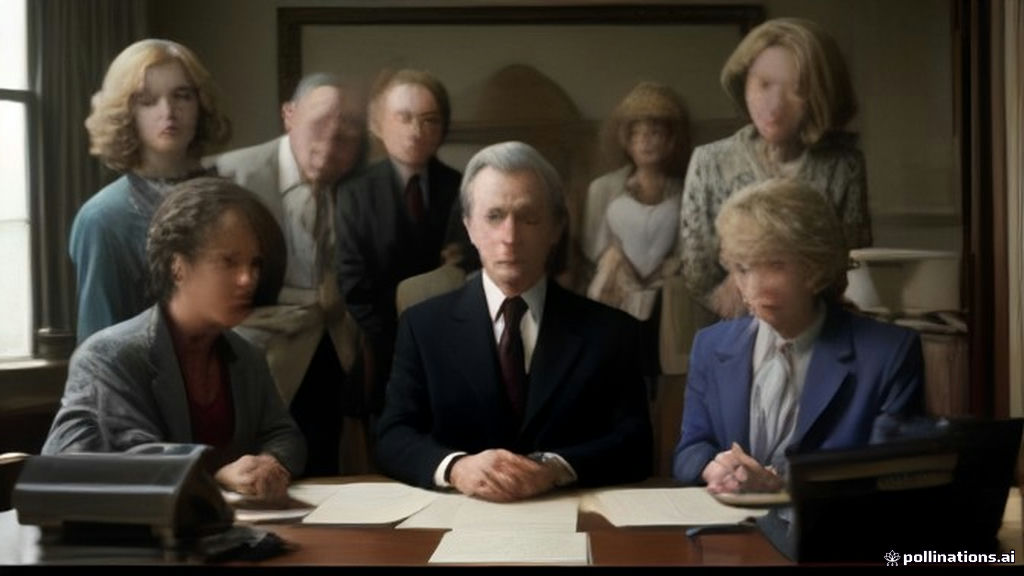
Thirty‑six years after its debut, the surreal small‑town drama that blended horror, soap opera and off‑beat comedy remains the benchmark for television murder‑mystery storytelling. Its uncanny ability to juggle a whodunit plot with character‑driven melodrama reshaped the medium, and its influence can be traced in everything from streaming thrillers to prime‑time network dramas. As new creators cite it as a blueprint, the series proves that a well‑crafted mystery can outlive its era, becoming a cultural touchstone that continues to inspire fresh narratives and innovative formats.
What Happened
When the show first aired, audiences were drawn into the eerie, fog‑shrouded town where every resident seemed both victim and suspect. The pilot episode opened with a shocking murder that set the tone for a series built on cliffhangers, red herrings, and an ever‑shifting cast of characters. Over its original run, the series delivered a labyrinthine plot that kept viewers guessing, while simultaneously exploring the personal dramas of its ensemble, from forbidden romances to hidden family secrets.
The series concluded after a landmark number of seasons, but its finale left enough unanswered questions to fuel speculation for decades. In the years that followed, the show entered the cultural lexicon, spawning fan conventions, academic dissertations, and a legion of online forums dedicated to dissecting every clue. Its iconic opening sequence, distinctive soundtrack, and the infamous “black‑and‑white” visual motif have become instantly recognizable symbols of sophisticated television storytelling.
Key Details
One of the most groundbreaking aspects of the series was its narrative structure. Each episode was crafted as a self‑contained mystery that contributed to a larger, season‑spanning puzzle. The writers employed a “dual‑timeline” technique, intercutting present‑day investigations with flashbacks that gradually revealed motives and alibis. This approach allowed the series to maintain a tight, suspenseful pace while developing deep, multi‑dimensional characters.
Production-wise, the show set new standards for atmosphere. Filmed on location in a remote New England town, the series used natural fog, dim lighting, and an unsettling score composed by a then‑up‑and‑coming composer who later won multiple awards. The set design blended Victorian architecture with modern decay, creating a timeless aesthetic that made the town itself feel like a character—one that could hide clues and betray secrets at a moment’s notice.
In terms of casting, the series was a launchpad for several actors who later became household names. Its ensemble approach meant that no single star dominated the screen; instead, the focus shifted fluidly between protagonists, antagonists, and even peripheral townsfolk. This egalitarian casting model encouraged viewers to invest emotionally in a broad spectrum of characters, making each revelation feel personal and impactful.
Background
The series emerged during a transitional period for television, when networks were beginning to experiment with serialized storytelling beyond the traditional sitcom or procedural format. Its creator, a former theater director, deliberately infused the script with theatrical tropes—monologues, stage‑like confrontations, and symbolic set pieces—to blur the line between TV drama and stage play. This hybrid approach resonated with audiences craving more sophisticated, layered narratives.
Financially, the show was a gamble. The network allocated a larger-than-average budget for location shooting, set construction, and a high‑caliber writing staff. Initial ratings were modest, but word‑of‑mouth and critical acclaim quickly turned the series into a cult hit. By its third season, it commanded a dedicated fan base that would later drive its revival on streaming platforms, proving that quality storytelling could outweigh conventional ratings metrics.
Why It Matters
The series’ legacy lies in its redefinition of genre boundaries. By marrying horror’s tension, soap opera’s emotional depth, and comedy’s absurdity, it demonstrated that a murder mystery could be both intellectually stimulating and emotionally resonant. Contemporary shows such as “The Haunting of Hill House,” “Sharp Objects,” and “Only Murders in the Building” borrow its DNA—complex character arcs, atmospheric world‑building, and a willingness to subvert audience expectations.
Moreover, the series pioneered a model for audience engagement that pre‑figured today’s binge‑watch culture. Its intricate plotlines encouraged viewers to discuss theories online, creating a participatory experience that streaming services now replicate with interactive features and companion podcasts. The show’s influence extends beyond narrative; its visual language—muted color palettes, chiaroscuro lighting, and meticulous framing—has become a template for modern thriller cinematography.
What Happens Next
In the wake of its 36th anniversary, the series is experiencing a renaissance. A new limited‑run sequel, helmed by the original showrunner’s protégés, is slated for release on a major streaming platform. This continuation promises to revisit the original town while introducing a fresh set of mysteries that reflect contemporary social anxieties, such as digital surveillance and climate‑induced displacement. Early teasers suggest that the new installment will retain the original’s signature blend of genres, while leveraging modern production technologies like virtual set extensions and AI‑enhanced sound design.
Academically, the series continues to be a case study in media programs worldwide. Scholars are exploring its impact on narrative theory, gender representation, and the economics of cult television. Meanwhile, fan communities are organizing worldwide “Mystery Walks,” recreating iconic scenes in real towns that resemble the series’ setting, further cementing its place in popular culture. As the next generation discovers the show through streaming libraries, its influence is poised to expand, inspiring fresh creators to experiment with hybrid storytelling.
In the end, the series’ endurance proves that a well‑crafted mystery—one that respects its audience’s intelligence and emotional investment—can transcend time. Its blend of horror, melodrama, and dark comedy not only rewrote the rules of television storytelling but also laid the groundwork for the narrative complexity audiences now expect. As we look ahead, the series stands as a reminder that great television is not just about solving a crime; it’s about unraveling the human condition, one clue at a time.
📖 See Also
📚 Sources & Attribution
- ✓ Screen Rant